On 18 December, the Minister of Education, University and Research, Valeria Fedeli, went to CERN to visit the most important particle physics laboratory in the world, where there is so much Italy, with its physicists coordinated by INFN, and with the cutting-edge technologies developed by the national industry. The Minister, accompanied by CERN’s Director General Fabiola Gianotti, and by INFN President Fernando Ferroni, leading the Italian delegation, visited the high technology laboratories and the ATLAS experiment at LHC and met the Italian community working at CERN at the Globe. Only three days earlier, at the end of the CERN Council meeting, the 25th anniversary of the LHC scientific program, started in 1992: indeed, when the previous LEP accelerator had just begun to “do physics” the new accelerator program was launche, had been celebrated. Since then, a lot of progress has been made and many important scientific and technological achievements have been made, including the historical discovery of the Higgs boson in 2012, earning the Nobel Prize for physics for Higgs and Englert the following year. The anniversary just celebrated testifies the extraordinary ability to plan the future, a characteristic of particle physics: even today, while the LHC, thanks to its very high performance, continues to churn out an impressive amount of valuable data, the physics community is working on its upgrade, the High Luminosity LHC, coordinated by the Italian Lucio Rossi, and is already studying the design of future of accelerator machines.
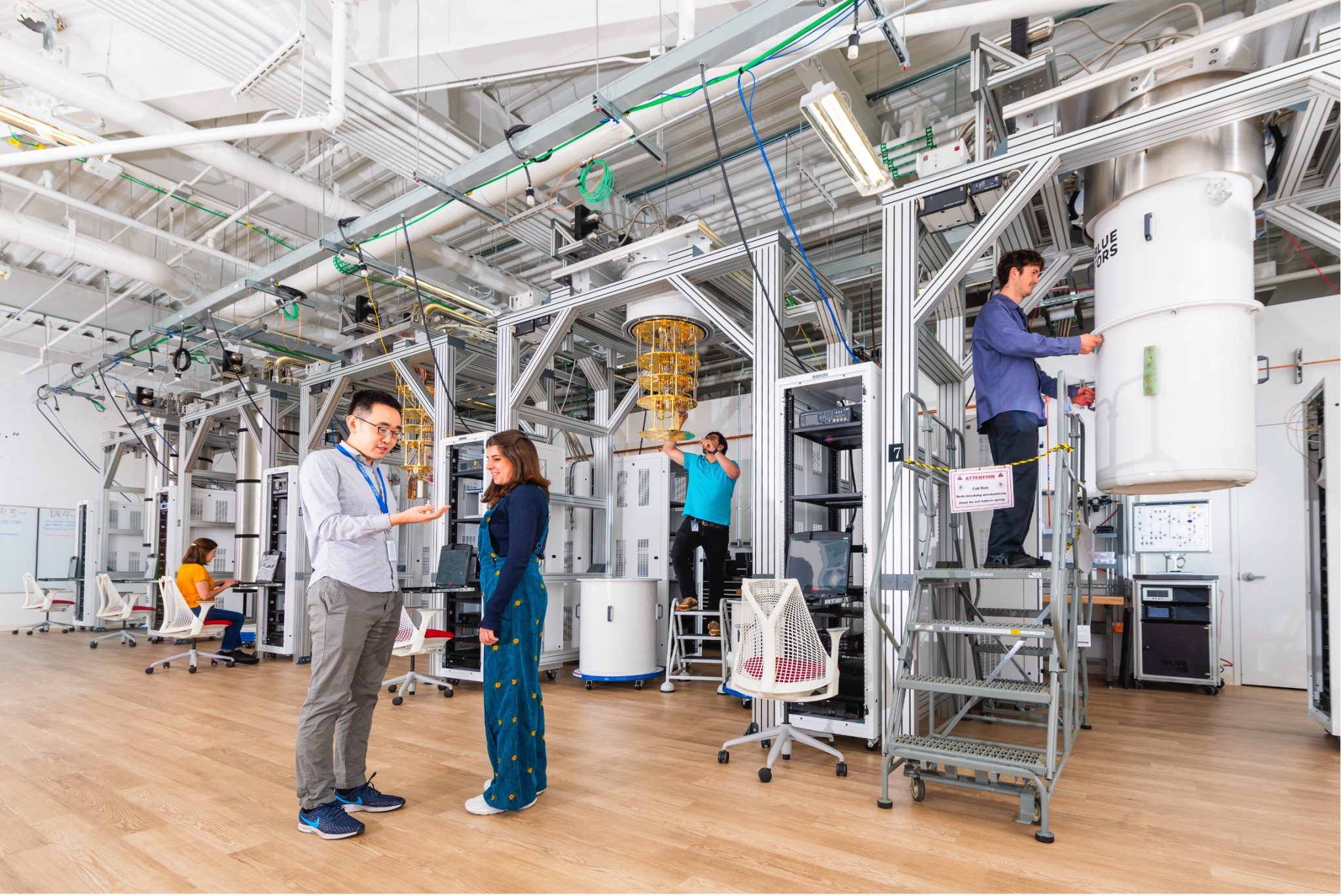
Quantum computing: INFN and the US SQMS laboratory renew their collaboration

Search for new physics: a possible new approach from bent crystals

Einstein Telescope: Lusatia officially enters the competition
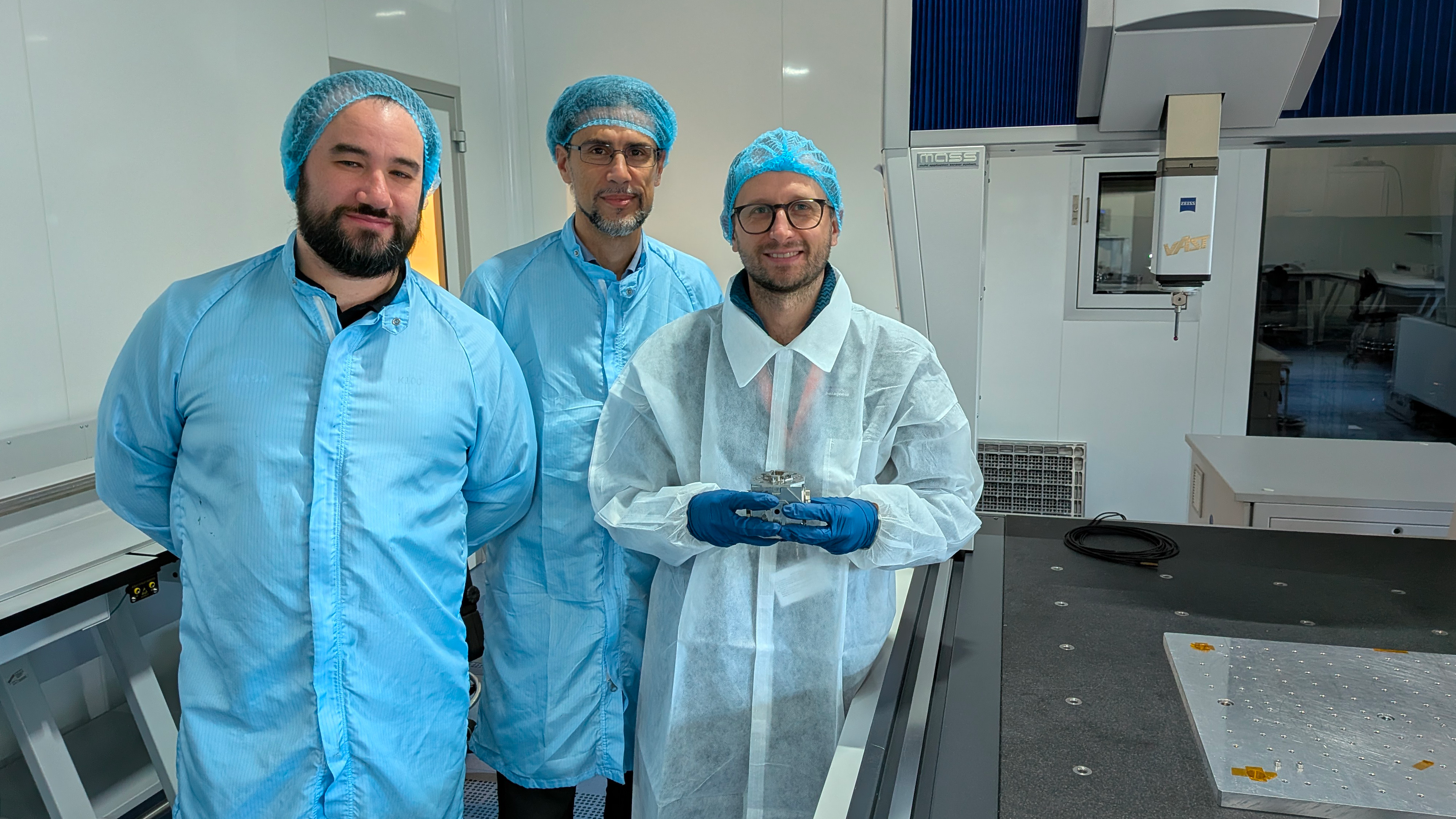
Detecting gravitational waves from space: first steps for the LISA mission
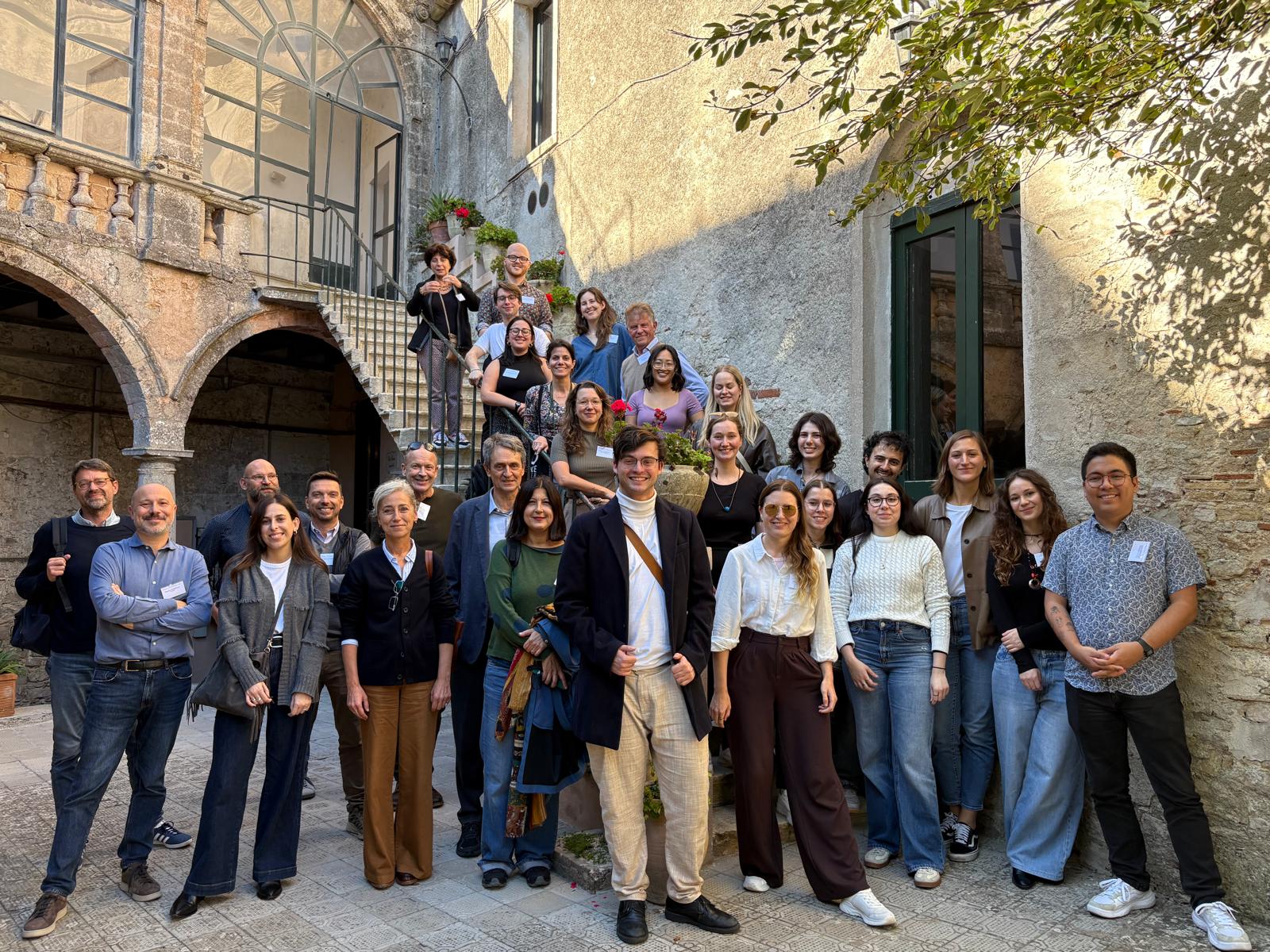
ORIGINS. Exploring Science Communication and Journalism