The European Commission recently published the conclusions of the EURETILE (EUropean REference TILed architecture Experiment). This European project is an innovative many-process programming paradigm and HW interconnection, designed to study new supercomputing techniques to solve problems of scientific and industrial interest. Funded by the European Commission and coordinated by the INFN, EURETILE is based on the structure of the brain. It simulates the functioning of the brain by means of what are known as “neural networks”, mathematical models of artificial neurons and synapses that mimic the many interconnections between the cells in the brain and their extreme plasticity. “We have conceived a promising paradigm for emulating the three levels of hierarchy of the brain (cortical columns, cortical areas, cortex)”, explained Pier Stanislao Paolucci, researcher at the INFN and coordinator of the EURETILE project. “In the next decade autonomous vehicles and robots will use multi-sensorial systems in which scientific applications such as brain simulation will be embedded to improve their ability to understand the environment”, he added. The international collaboration is a consortium of five partners: the INFN from Italy, the Swiss Federal Institute of Technology in Zurich, TARGET Compiler Technologies from Belgium, RWTH Aachen University in Germany and the TMA Laboratory at the Université Joseph Fourier, in France. The results will immediately be incorporated in industrial applications and forthcoming research and development projects undertaken by the groups involved and funded by national or international schemes. There are three examples of how these techniques will be incorporated. The first is the comparison of the brain simulation data developed by the INFN with in-vitro measurements on biological tissues. Starting in 2015, the brain simulation technologies developed by the INFN are being used in the CORTICONIC European project, in collaboration with the ISS (Italian Institute of Health). “The project is investigating the activity of a segment of brain tissue, using conventional experimental techniques based on electric and optical probes as well as innovative simulation technology” explained Mr. Paolucci.
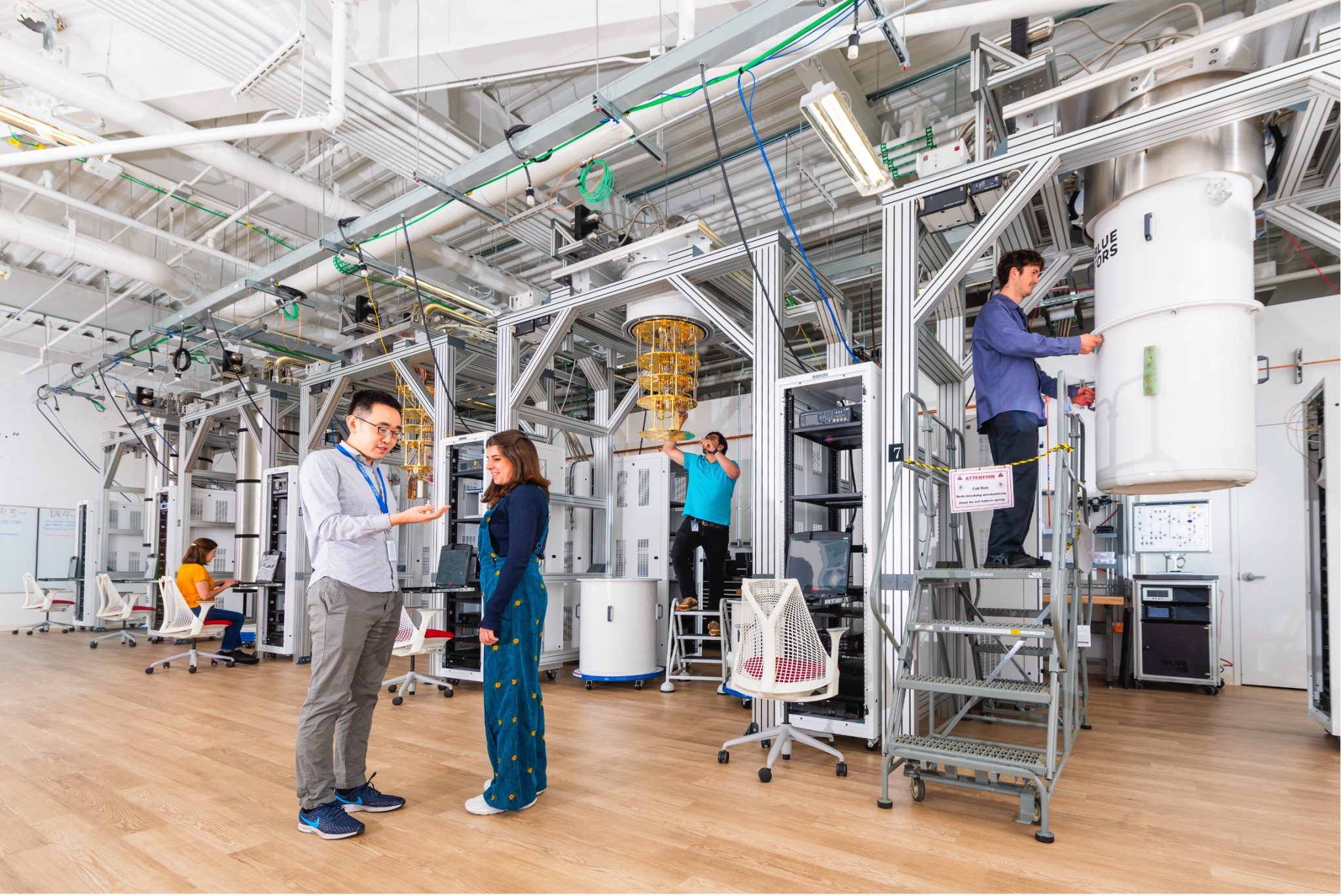
Quantum computing: INFN and the US SQMS laboratory renew their collaboration

Search for new physics: a possible new approach from bent crystals

Einstein Telescope: Lusatia officially enters the competition
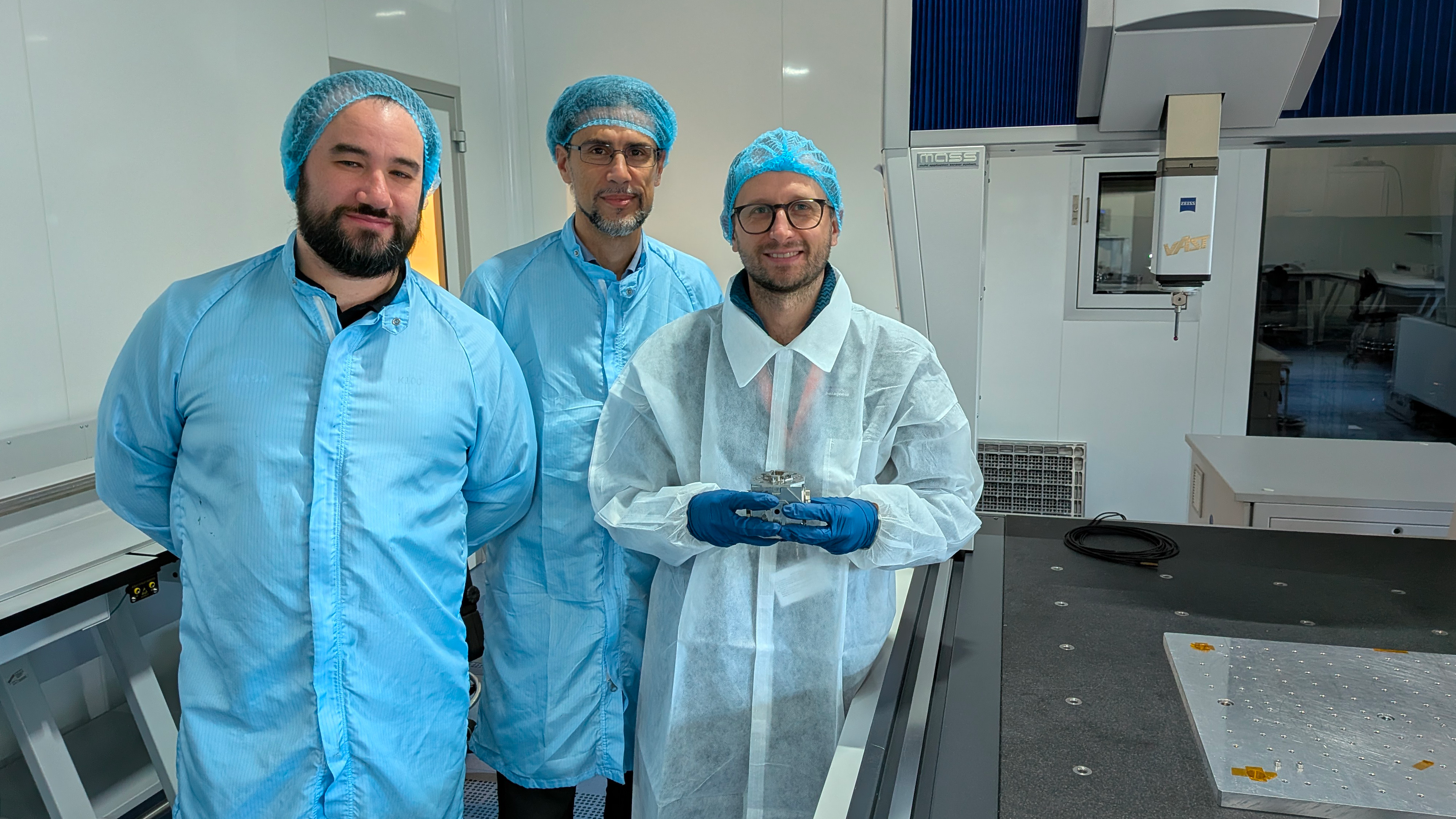
Detecting gravitational waves from space: first steps for the LISA mission
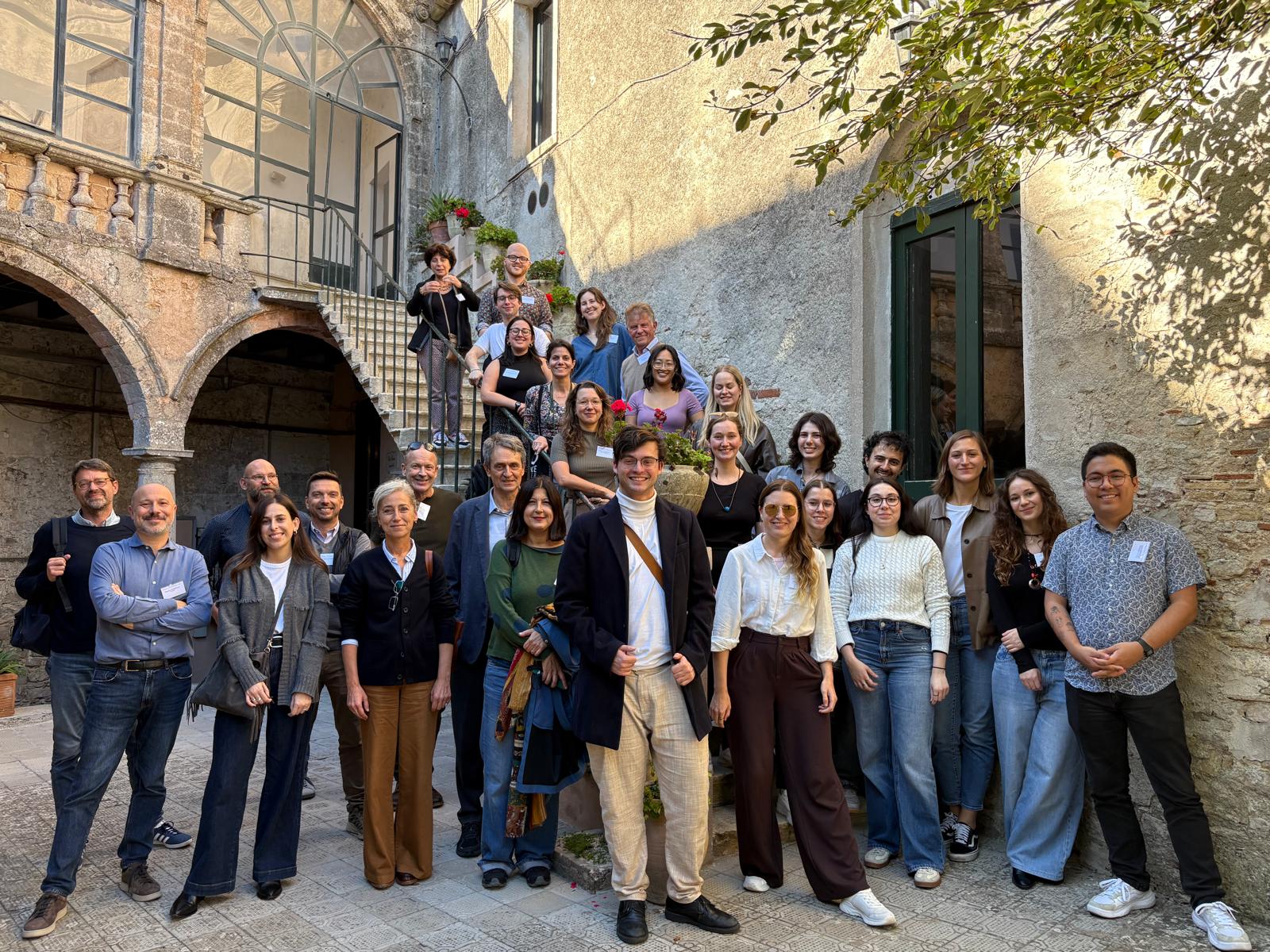
ORIGINS. Exploring Science Communication and Journalism