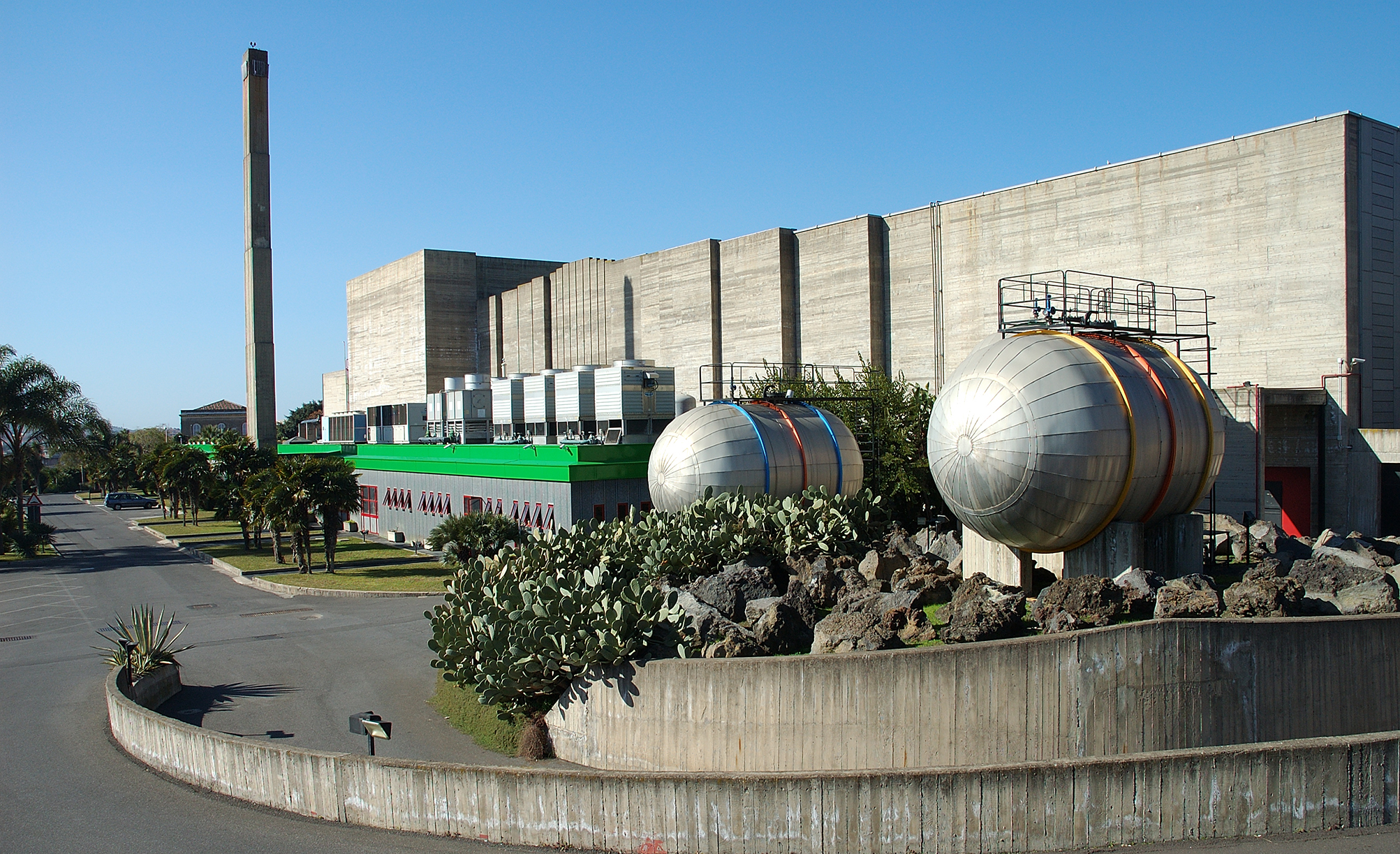
Signed on 29 April 1976, the agreement between INFN, the Sicilian Centre for Nuclear Physics and Structure of Matter of Catania, and the University of Catania, established the “Southern Nuclear Laboratory”.
Fifty years ago, the INFN National Laboratories of the South (LNS) were founded in Catania, launching one of the most important scientific infrastructures in Southern Italy and in the national research landscape. The anniversary is being celebrated today, 29 May 2026, with an event at the Teatro Stabile “Verga” in Catania, in the presence, among others, of Antonio Zoccoli, President of INFN, Enrico Trantino, Mayor of Catania, Enrico Foti, Rector of the University of Catania, and Santo Gammino, Director of the INFN National Laboratories of the South.
“The National Laboratories of the South have represented for fifty years a concrete example of how scientific research can generate knowledge, innovation and opportunities for the territory and for the country,” underlines INFN President Antonio Zoccoli. “It is therefore with great satisfaction and pride that today we celebrate this anniversary with those who have contributed and continue to contribute to making Catania and Sicily a research hub of the highest level, capable of addressing ever new scientific challenges and of attracting talent and international collaborations. These first fifty years above all represent a starting point: we look to the future with the ambition to continue investing in large research infrastructures, in new generations of scientists, and in the production of knowledge, with its unexpected and extraordinary impacts on society.”
“Celebrating these fifty years means recalling the vision and courage of those who believed in the possibility of building in Southern Italy a centre of scientific excellence capable of attracting expertise,” comments Santo Gammino, Director of the INFN National Laboratories of the South. “Our Laboratories are today experiencing a period of consolidation and laying the groundwork for further development, responding with what has been built so far to the challenges that society presents, in terms of local and national well-being. A look at the past and at what fifty years of commitment have given to the present allows us to look to the future with many expectations, and also allows us to have a proper pride in the current standing of the National Laboratories of the South. Progress has been constant, from a laboratory of national interest to laboratories that now operate at international level in various areas of modern physics. If the merit of the colleagues who fifty years ago made their way by carving space from the rock and thinking big is undeniable, it must be emphasised that in the following decades the desire to always do better has constantly been a driving force that has involved everyone, regardless of the role held by each individual,” concludes Gammino.
Founded with the aim of promoting research in the field of nuclear physics and its interdisciplinary applications, the National Laboratories of the South have over the years represented an international reference point for studies on nuclear structure, nuclear and particle astrophysics, accelerator physics, and applications of physics to medicine, cultural heritage and the underwater environment. Today, around 300 staff members and associates work at LNS, carrying out fundamental research using the superconducting cyclotron and the Tandem Van de Graaff, and astroparticle research with the KM3NeT underwater laboratory, as well as various multidisciplinary applications for biology and medicine, for the protection and study of cultural heritage, and for developments in the energy, industrial and environmental fields.
A HISTORY 50 YEARS LONG
On 29 April 1976, INFN, the Sicilian Centre for Nuclear Physics and Structure of Matter of Catania (CSFNSM), and the University of Catania signed the agreement for “the establishment of the Southern Nuclear Laboratory in Catania”, strongly promoted by Antonino Zichichi with the aim of providing Southern Italy with a scientific centre of excellence and a research infrastructure of national and international value. It is the official birth act that represented for the Catania scientific community the fundamental milestone of a story that had begun in the mid-1950s, with the arrival of the 2.5 MV Van de Graaff accelerator at the old premises of the Department of Physics on Corso Italia.
Once the construction phase relating to buildings was completed, in 1984 the first proton beam produced by the TANDEM accelerator was accelerated. Ten years later, in May 1994, the first beam of nickel ions was accelerated with the superconducting cyclotron, built at the LASA laboratory in Milan and installed between 1991 and 1994 at LNS. In the last decade of the past century, the large detectors MEDEA, CHIMERA and MAGNEX were built and installed, and the superconducting ion source SERSE came into operation, at that time the best in the world for the production of ion beams with high charge state.
The final period of the 1990s also marks the beginning of a new major commitment for LNS: the deep waters of the Mediterranean become the perfect place for the new frontier linked to neutrino studies. First in 2005, off the coast of the port of Catania, and subsequently at the southernmost point of Sicily off Portopalo di Capo Passero, the challenge of the project for the construction of the large European multidisciplinary research infrastructure KM3NeT begins. In 2013, construction starts with the deployment, at a depth of 3,450 metres and more than 100 km from the coast, of the first elements of the structure of the ARCA underwater neutrino observatory, which, together with the ORCA structure off the coast of France, in its final configuration will occupy a volume of one cubic kilometre.
On 13 February 2023, an extraordinary signal produced by a neutrino with record energy was detected by ARCA in the abyssal depths of the Mediterranean. The result, published in 2025 in the journal Nature, whose cover it also featured, had great impact in the international scientific community and wide media coverage. This event, named KM3-230213A, is the signal of the most energetic neutrino ever observed and provides the first evidence that neutrinos with such high energies are produced in the Universe.
APPLICATIONS FOR MEDICINE: THE PROTON THERAPY CENTRE
The year 2002 is significant for the contribution of physics to oncological therapy. The CATANA project is launched and, for the first time in Italy, proton therapy treatments are carried out on patients affected by ocular melanomas, thanks to the use of proton beams produced by the LNS superconducting cyclotron, through specific agreements with the hospital medical world. To date, around 500 patients have been treated. CATANA represents a major example of how nuclear physics studies lead to applications and impacts within society.
APPLICATIONS FOR CULTURAL HERITAGE: THE LANDIS PROJECT
In the same decade, work begins on the development of instrumentation and non-destructive investigation methods based on the use of advanced X-ray spectroscopy and diffraction techniques to carry out in situ physico-chemical analysis of cultural heritage and archaeological materials. This is the LANDIS project (Laboratory for Non-Destructive In Situ Analysis), thanks to which artefacts such as the Dead Sea Scrolls and the Misurata Treasure have been analysed. The LANDIS laboratory has been equipped with an XRF imaging scanner based on a new multi-detection system applied to the LANDIS-X scanner for cultural heritage.
COLLABORATIONS IN EUROPE
Starting from 2011, the scope widens with the construction and support of European research infrastructures, and collaboration takes place in Lund, Sweden, for the construction of the most powerful neutron source (European Spallation Source, ESS), in Bucharest, Romania, for the construction of the Extreme Light Infrastructure for nuclear physics applications (ELI-NP), and in Prague, Czech Republic, for the construction of a centre for applications of laser-accelerated beams for medical use (ELIMed).
STRENGTHENING AND DEVELOPMENT
The ongoing strengthening of LNS represents a major opportunity for the scientific growth of the Laboratories in the international landscape: the project includes the sustainable refurbishment of facilities with the upgrading of the superconducting cyclotron, the installation of the new fragment separator FRAISE for the production of radioactive particle beams in flight, and the upgrading of the MAGNEX experimental apparatus for the NUMEN experiment. The availability of new beams will open the way to significant scientific progress at international level.
NEW PROJECTS AND THE FUTURE OF LNS
At LNS, the construction of a series of devices for the production of radiation based on an ultrashort-pulse laser, which will be the most powerful installed in Italy so far, is starting. The facility, called I-LUCE (Laser indUced aCcEleration), has been funded synergistically by three PNRR projects: EuAPS, SAMOTHRACE and ANTHEM. I-LUCE will enable the acceleration of beams of electrons, protons and ions (up to 60 AMeV), the production of gamma, X and neutron radiation, and the study of fundamental phenomena based on plasma.
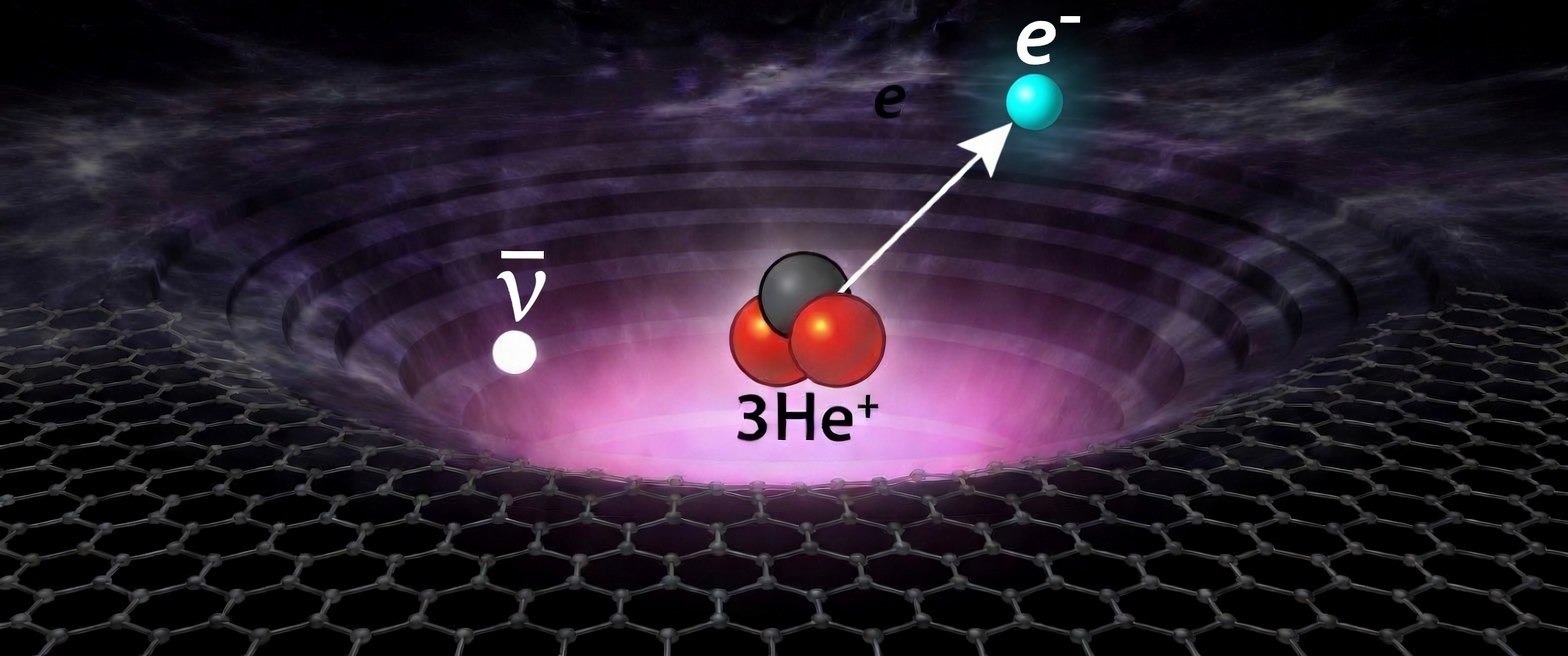
In the adjacent area, the PANDORA apparatus will be installed, aimed at studying the beta decay of radioisotopes of astrophysical interest in a plasma environment to reproduce, at least in terms of temperature, experimental decay conditions in a stellar environment. The multi-diagnostic system is now complete, also thanks to the fruitful synergy with the SAMOTHRACE Innovation Ecosystem.
COMMITMENT TO SOCIETY AND THE PROMOTION OF SCIENTIFIC CULTURE
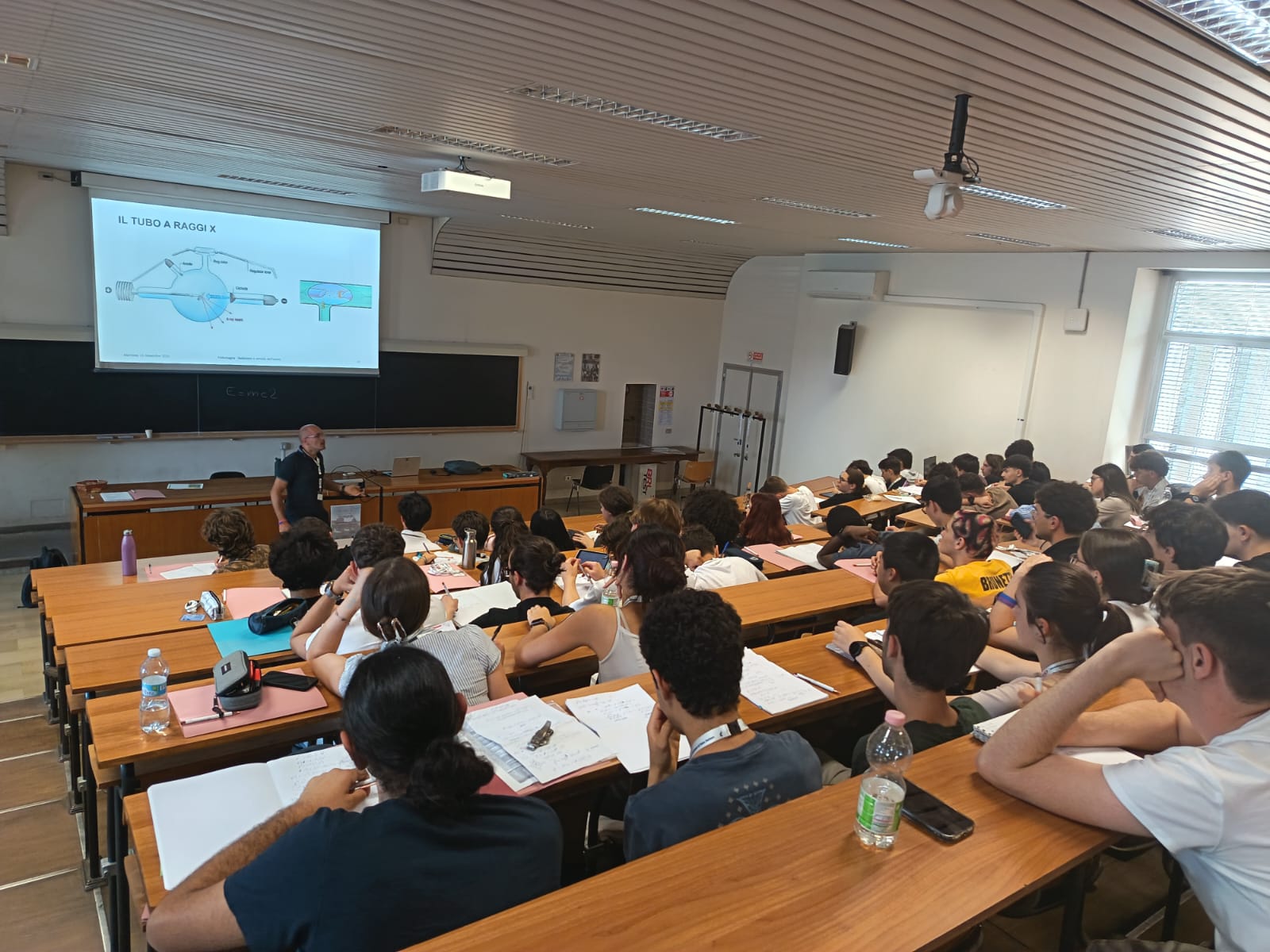
In recent years, LNS has undertaken a long and demanding series of initiatives dedicated to the involvement of schools, institutions and society for the promotion and dissemination of scientific and technological culture.
In 2019, the LNS Visitor Centre was inaugurated, a multimedia centre with a surface area of over 400 square metres equipped with exhibits and installations, welcoming thousands of visitors every year, in particular secondary and primary school students.
LNS is involved in INFN national public engagement projects INFN-Kids, LAB2GO, Art&Science and HOP, also hosting projects organised within the PCTO programme for upper secondary schools.