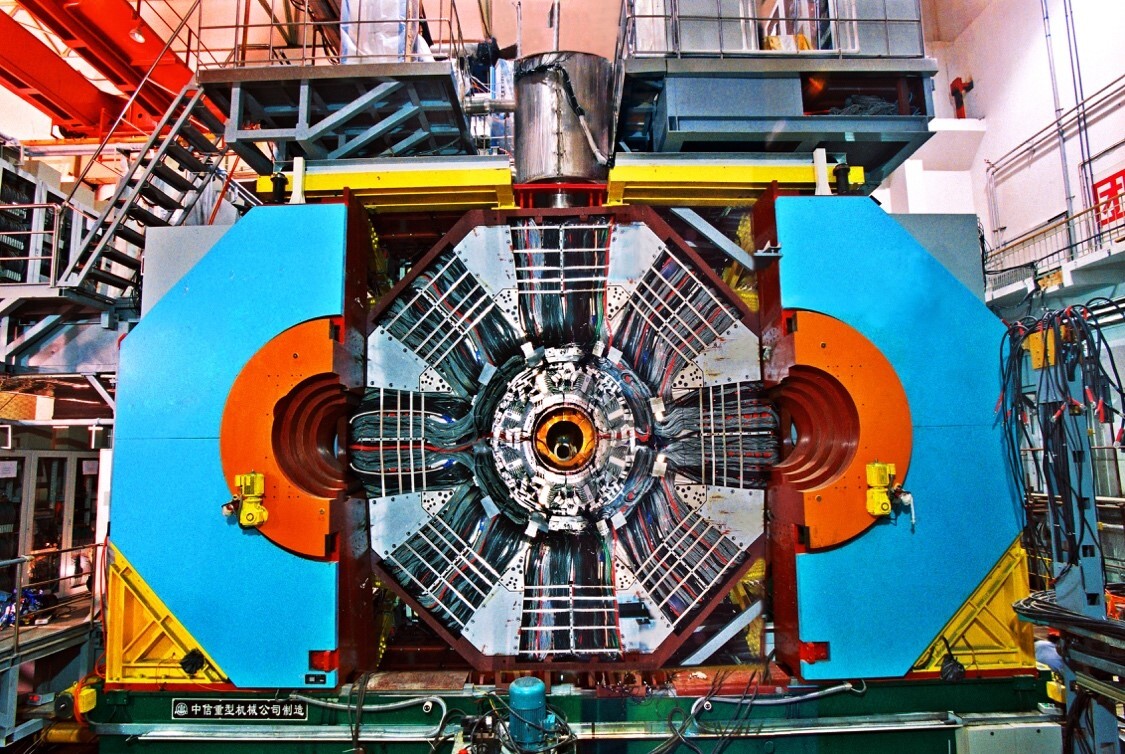
The restart of the LHC is approaching and the experiments are preparing for a new run full of scientific challenges. After the usual winter break, the big accelerator at CERN will start again in a few weeks. In March, physicists and engineers at CERN replaced the heart of CMS, one of the four main detectors of the LHC. At the centre of the experiment a new pixel detector has been installed, with better performance than the previous one in order to cope with the greater luminosity of the LHC. In May, the first particle beams will be injected into the accelerator that is expected to reach its maximum operating level before the summer. The number of collisions in the LHC has been greatly increased and, therefore, it was also necessary to increase the performance of the detectors, in order to be able to obtain a greater number of simultaneous images of collisions that take place inside the accelerator. This is the main reason why in the last five years 9 European institutions, including INFN, and American universities supported by the Department Of Energy (DOE) and by the National Science Foundation (NSF) built a new pixel detector for CMS. The new detector has almost twice as many pixels as the previous version, 124 million compared 66, and four layers in the central part, one more than the previous one. The inner layer of the new detector is closer to the point where the collisions take place,
30 millimetres from the beam line, much less compared to the previous version which was approx. 44 mm away from the beam line. The new heart of CMS will allow more precise tracking of charged particles coming from the interaction centre, provide crucial information to determine more precisely the point from which the particles originated from a collision, and facilitate the identification of heavy quarks and tau leptons

Theoretical physics helps unveil the molecular mechanisms of extra-chromosomal DNA in tumours

Caterina Biscari receives the Gold Medal of the Government of Catalonia
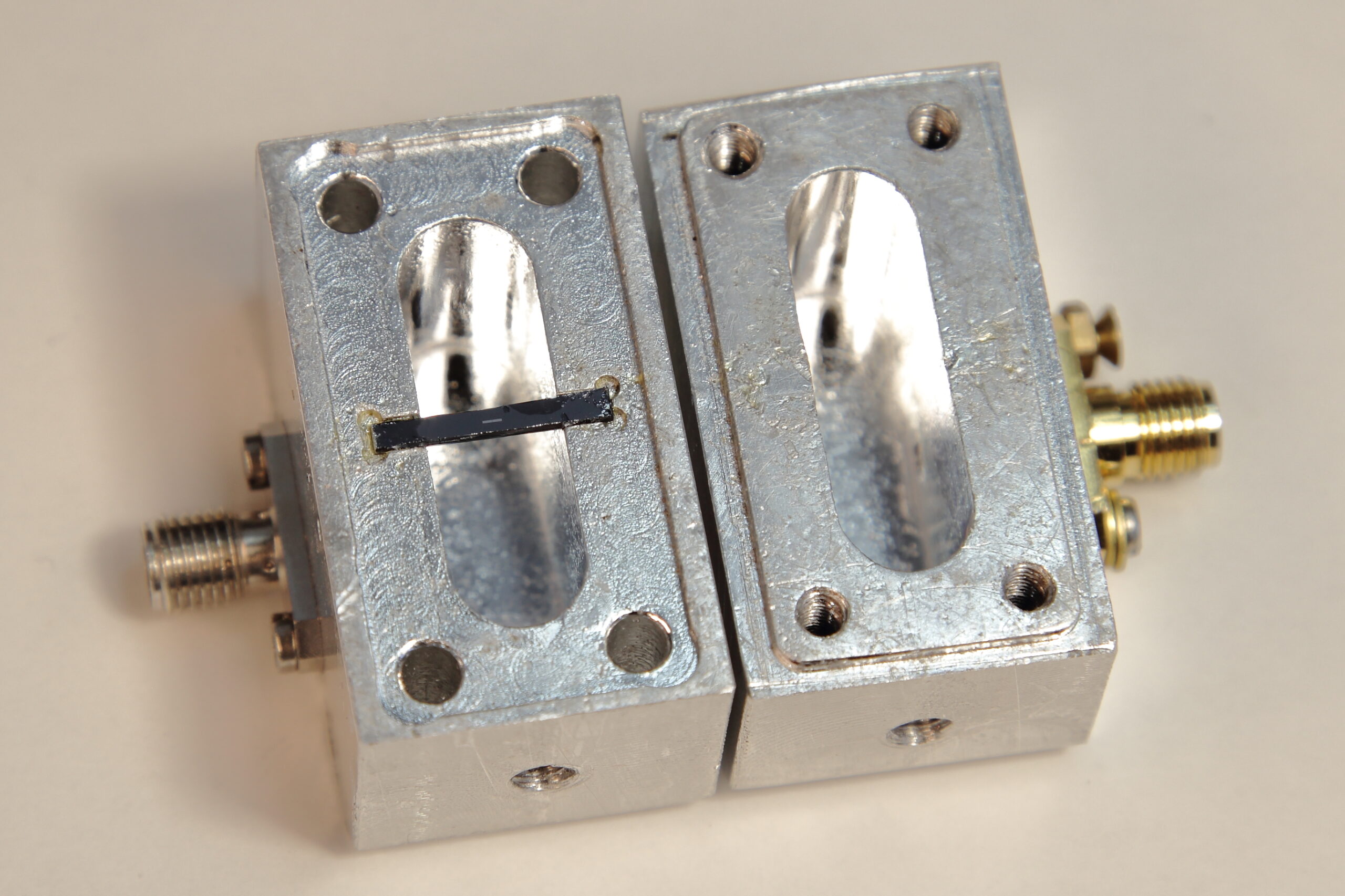
At INFN Frascati National Laboratories, the first quantum oscillations of a “made in Italy” transmon qubit

Art, science and research: the 5th edition of the Art&Science Across Italy Master gets underway at CERN
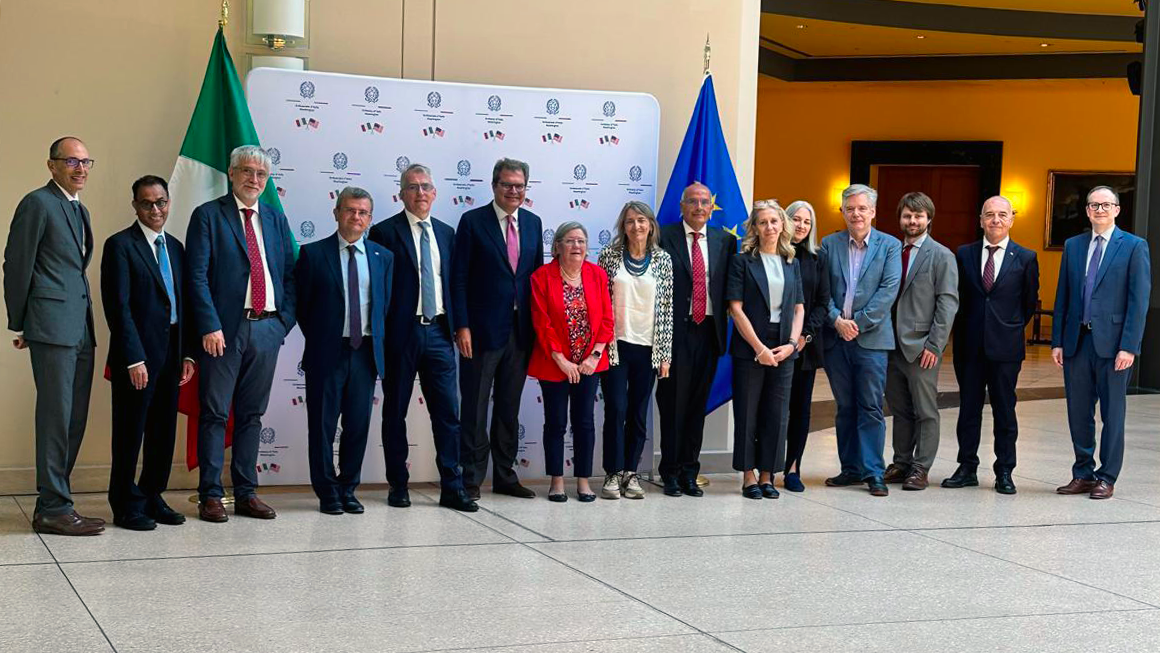
Fundamental physics and emerging technologies: Italy and the United States renew their collaboration in Washington