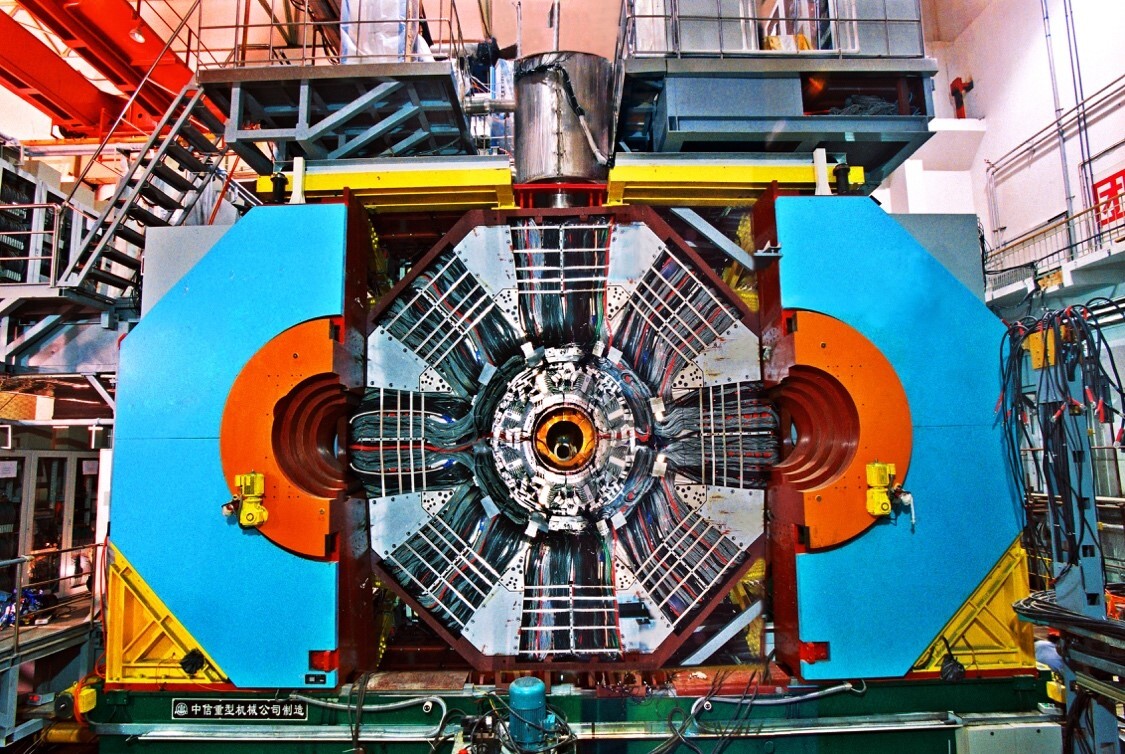
A rare nuclear reaction that occurs in stars, specifically in red giants, has been observed with unprecedented precision by LUNA (Laboratory for Underground Nuclear Astrophysics) at the Gran Sasso National Laboratories of INFN. In detail, the experiment has revealed that oxygen-17, a rare oxygen isotope, heavier than the oxygen in the atmosphere, is destroyed at twice the speed originally estimated. This finding represents a milestone in the research being conducted by the LUNA collaboration to investigate the origin of the elements that make up the matter in the Universe and which, for billions of years, have been formed by the nuclear reactions that take place inside stars, and are still being produced. LUNA is a research facility based on a compact linear accelerator. It is the only one in the world installed in an underground laboratory, in order to observe extremely rare processes. The aim is to recreate the energy ranges found inside stars, and to go back in time to one hundred million years after the Big Bang, when the first stars were formed. We still do not fully understand all the processes that occurred at this point in the formation of the universe, including those that led to the huge variety in the quantities of the elements that exist.

Theoretical physics helps unveil the molecular mechanisms of extra-chromosomal DNA in tumours

Caterina Biscari receives the Gold Medal of the Government of Catalonia
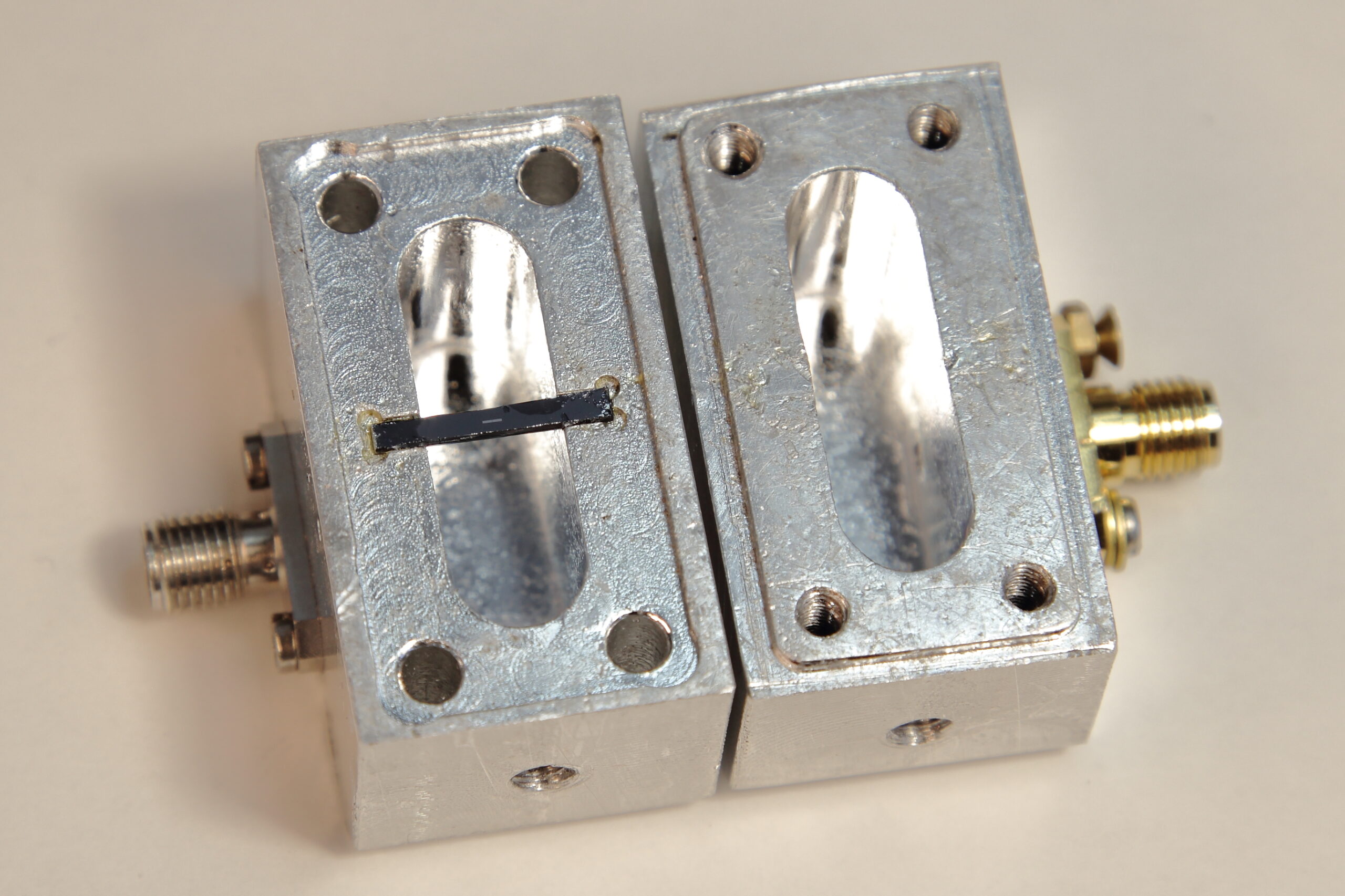
At INFN Frascati National Laboratories, the first quantum oscillations of a “made in Italy” transmon qubit

Art, science and research: the 5th edition of the Art&Science Across Italy Master gets underway at CERN

Fundamental physics and emerging technologies: Italy and the United States renew their collaboration in Washington