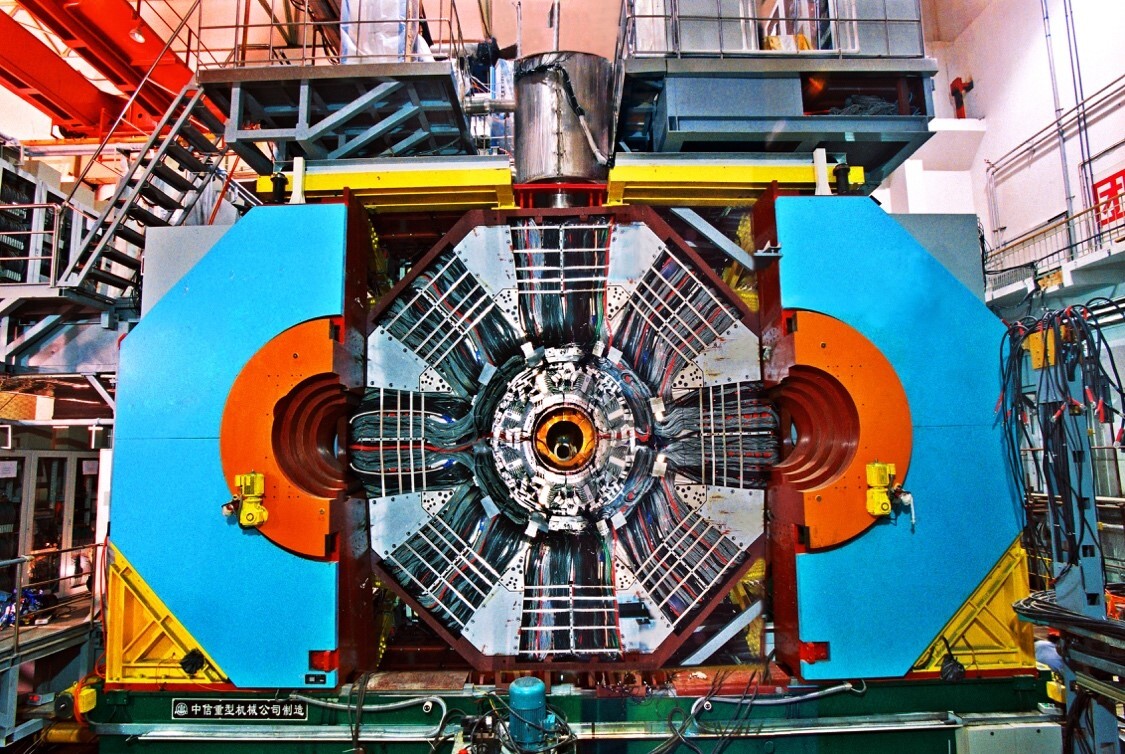
Laying operations of the three key technology components of the KM3NeT underwater neutrino telescope have been successfully completed: the new Cable Termination Frame (CTF) and two Junction Boxes (JB). These will be used to connect the first 20 submarine detection units (of the 100 planned) of the KM3NeT (cubic kilometre) experiment, under construction in the sea off Sicily, at a depth of 3,500 m. The marine operation, lasting seven days, ended on 21 July off Capo Passero and involved the ships “Ambrosius Tide” and “Antonio Meucci”, coordinated on-board and on the ground, by a team of INFN researchers. The monitoring and testing necessary for implementation of the system, and to verify the perfect functioning of the 100 km long cable, were performed at the Capo Passero Laboratory of the National Laboratories of the South (LNS) that hosts the telescope’s control centre. “This is an important success achieved thanks to teamwork led by INFN personnel. The entire system is now ready to host telescope’s detection units”, said Giacomo Cuttone, Director of LNS. Km3NeT is an international collaboration, in which Italy plays a fundamental role with the National Institute for Nuclear Physics, with the contribution of Cyprus, France, Germany, Greece, Ireland, the Netherlands, the United Kingdom, Romania and Spain. Nine INFN groups are participating (Bari, Bologna, Catania, Genoa, LNF, LNS, Naples, Pisa, Rome), in collaboration and in synergy with geophysical, oceanographic and marine biology research institutes (INGV, CNR, CIBRA, NURC).
Theoretical physics helps unveil the molecular mechanisms of extra-chromosomal DNA in tumours

Caterina Biscari receives the Gold Medal of the Government of Catalonia
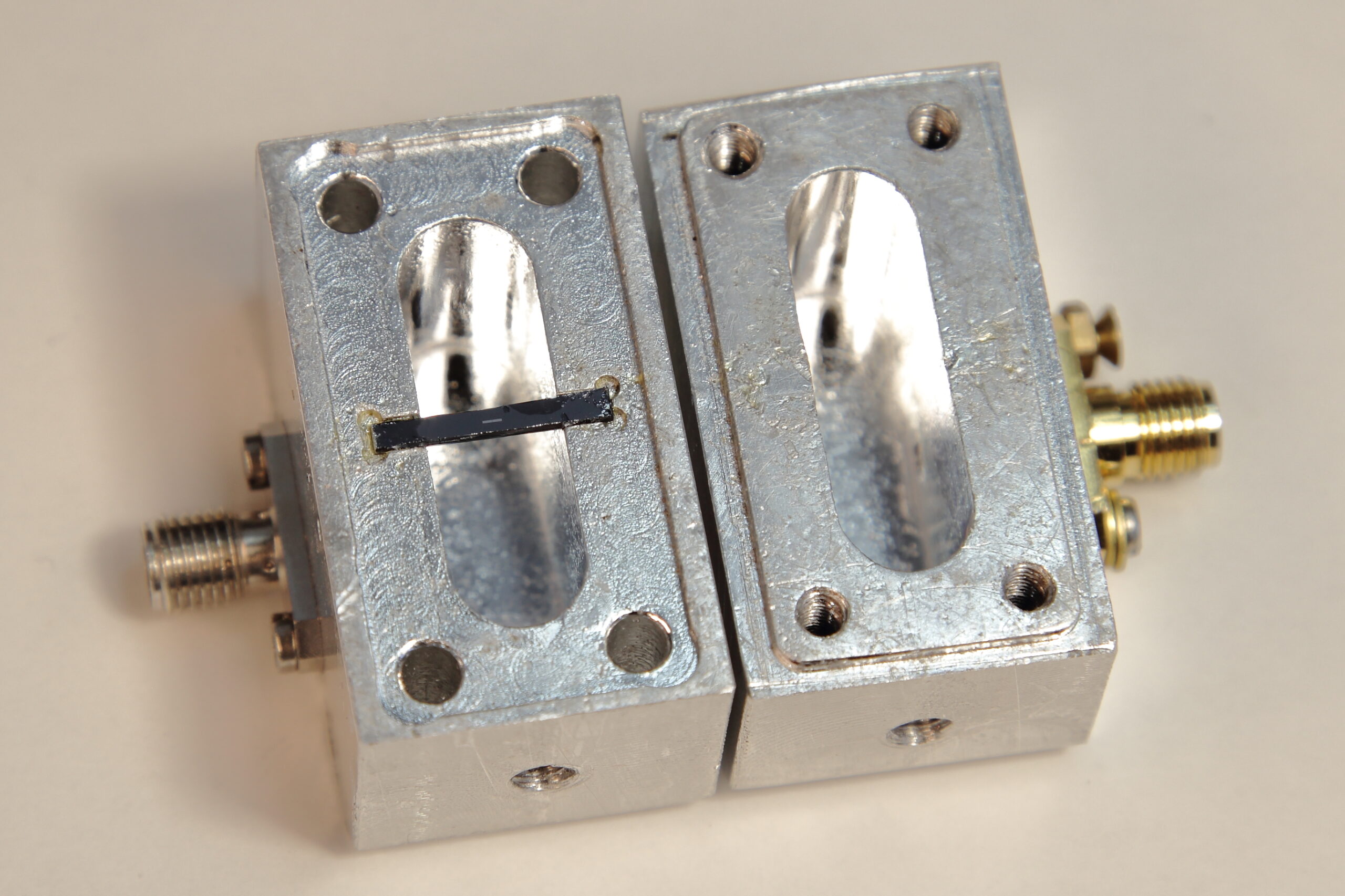
At INFN Frascati National Laboratories, the first quantum oscillations of a “made in Italy” transmon qubit

Art, science and research: the 5th edition of the Art&Science Across Italy Master gets underway at CERN
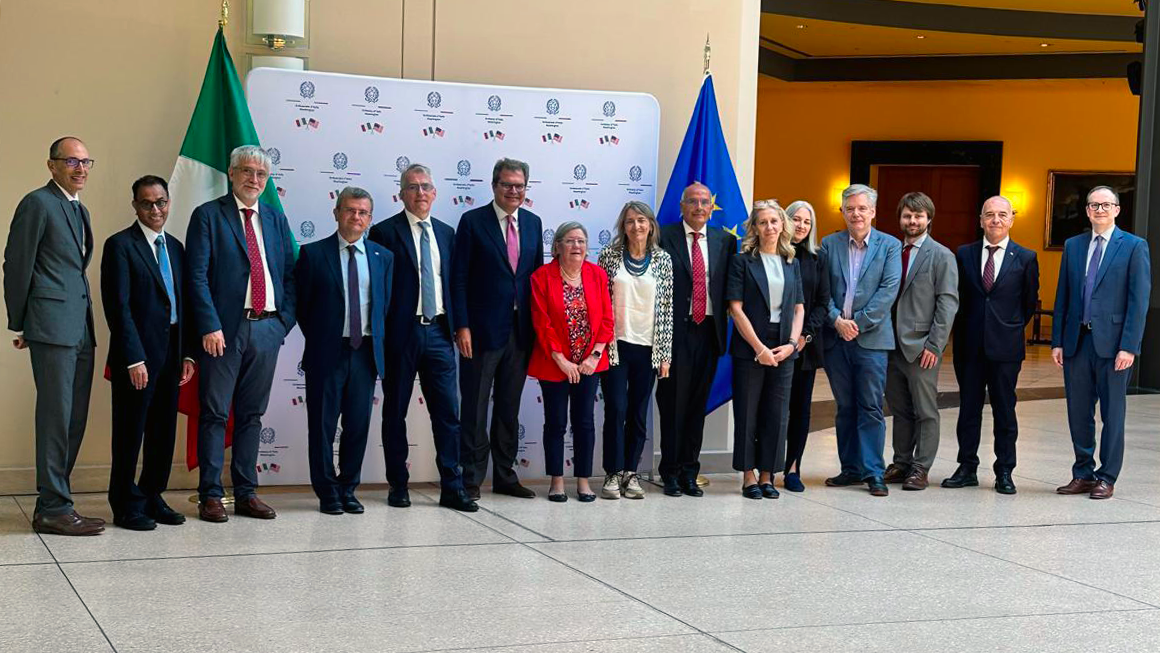
Fundamental physics and emerging technologies: Italy and the United States renew their collaboration in Washington