The “Enrico Fermi” Prize 2025 of the Italian Physical Society (SIF) has been jointly awarded to Pier Andrea Mandò, Professor at the University of Florence and former Director of the INFN Florence division from 2008 to 2015, Marco Martini, Professor at the University of Milan Bicocca, and Walter Kutschera, Professor at the University of Vienna, “for their original and pioneering role in the development of nuclear techniques and thermoluminescence spectroscopy applied with great impact to Cultural Heritage”.
The Prize, established by the Society in 2001, on the centenary of Fermi’s birth, is awarded annually to one or more members who have particularly honoured physics with their discoveries, and it will be presented on 22 September 2025 in Palermo, during the opening session of the 111th SIF National Congress.
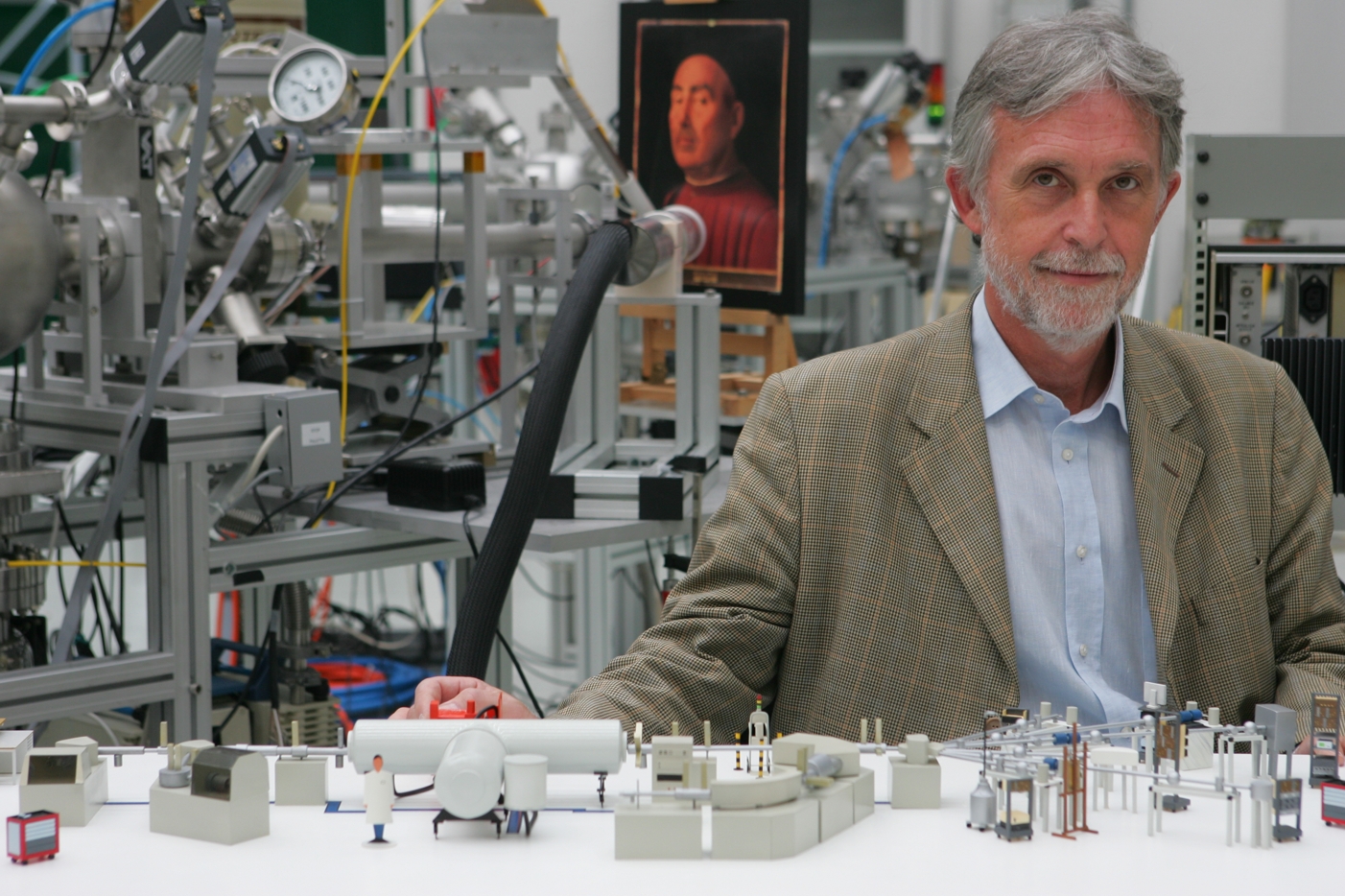
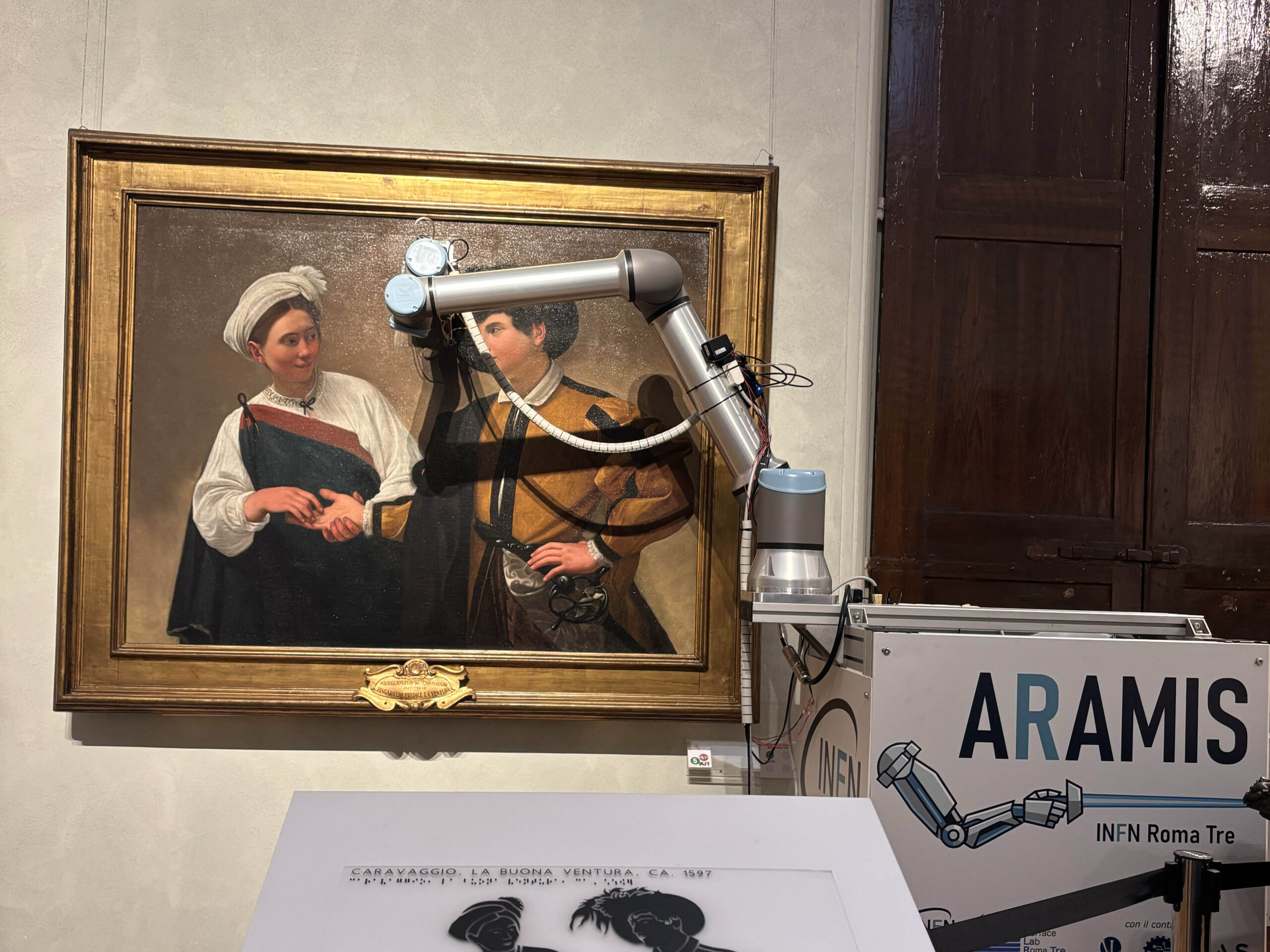
Pier Andrea Mandò has received this recognition for his forerunner role in the application of nuclear techniques to cultural heritage. Since the 1980s, Mandò has been a global pioneer in the development of ion-beam methods for material composition analysis, which enabled both studies on atmospheric particulate pollution and non-invasive analyses of historical artefacts and works of art. Thanks to innovative systems using proton beams extracted from the accelerator vacuum lines and high-efficiency X-ray and gamma detectors, Mandò was able to perform ultra-sensitive measurements that provided, in extremely short times and without causing any damage, information on the composition of inks in historically significant documents, including numerous manuscripts by Galileo, and on the composition and pictorial stratigraphy of dozens of major artworks, including masterpieces by Leonardo da Vinci, Antonello da Messina, Mantegna.
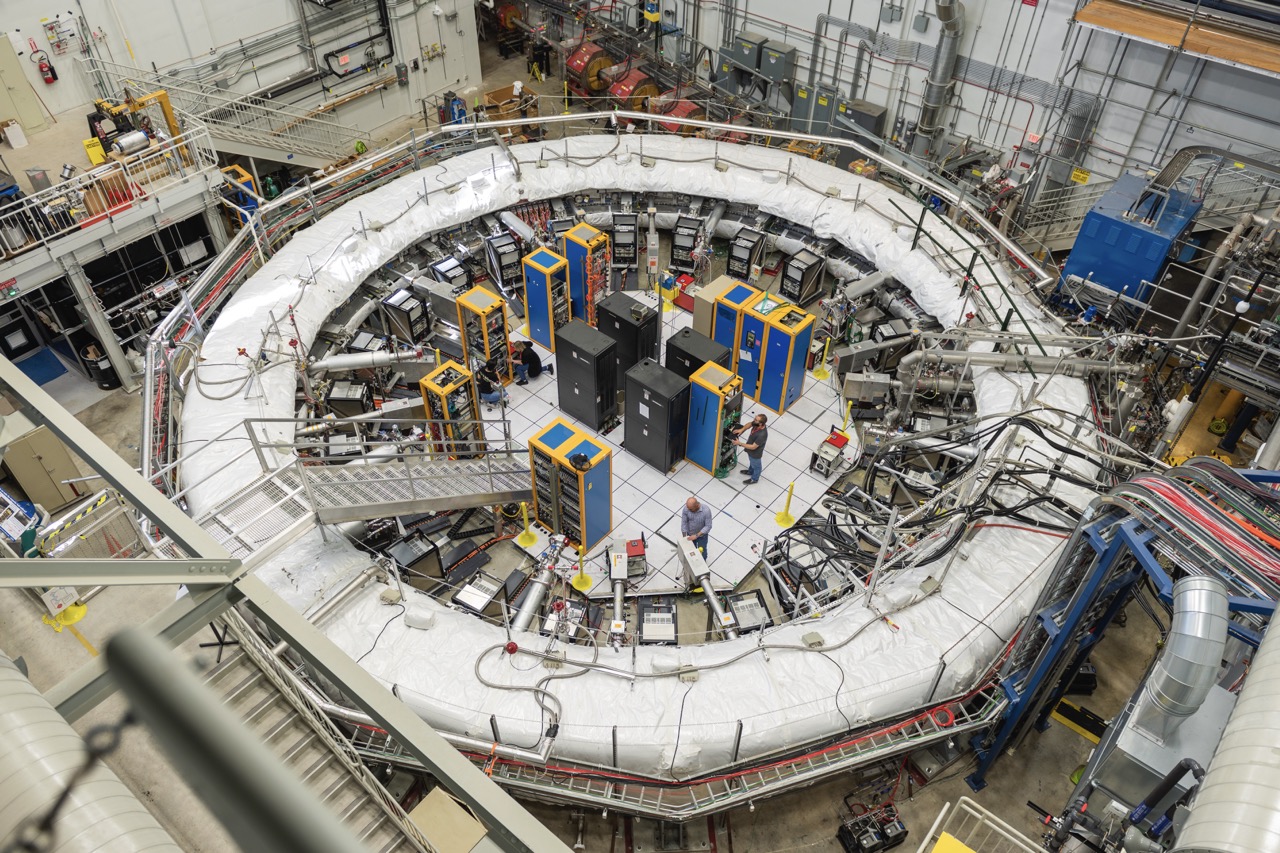
With the foundation in 2004 of LABEC, the INFN Laboratory of nuclear techniques for the Environment and Cultural Heritage, managed in partnership with the University of Florence, Mandò further broadened the range of analytical methods, exploiting accelerator mass spectrometry, in particular for determining radiocarbon concentrations. Beyond its well-known application to dating, this technique has also proved extremely valuable in studying atmospheric pollution, as it allows researchers to distinguish between the natural and anthropogenic origins of the carbonaceous fraction of suspended particulate matter.
Alongside Mandò, Marco Martini was awarded “for a new approach to chronological analysis through thermoluminescence spectroscopy applied to archaeology”, while Walter Kutschera was recognised “for his outstanding achievements in nuclear physics, in particular in accelerator mass spectrometry”.