 A new resource in the hands of the community of European astronomers, astrophysicists and astroparticle physicists. The ASTERICS (ASTronomy Esfri and Research Infrastructure CluSter) project was launched today. Funded with 15 million euros, it will allow researchers of the Old Continent to analyse and share data and images from numerous observatories and infrastructures, such as KM3NeT, a submarine detector to study neutrinos. The project, led by the Netherlands Institute for Radio Astronomy ASTRON, is a consortium of 22 partners, in which Italy is participating with INFN and the National Institute for Astrophysics (INAF). “The INFN experience in analysis techniques, in the areas of technological innovation of parallel and distributed computing and in infrastructure management continues and expands,” affirmed Cristiano Bozza, INFN Project Manager. “INFN is contributing, in particular, in data management and analysis, in order to achieve efficient information sharing between the communities of astrophysicists and particle physicists,” concluded Bozza. This funding will help existing observatories and next-generation optical and radio neutrino telescopes to work together, in a network, to find common solutions to the great challenge represented by Big Data. Thanks to the International Virtual Observatory Alliance, the ASTERICS project will also allow the doors of the European observatories to be opened not only to scientists from other continents, but also to non-experts. Ordinary citizens who become scientists, contributing to the analysis of the enormous amount of information produced by scientific experiments, for example by the LHC at CERN, a growing phenomenon known as citizen science.

The song of the whales returns off the coast of Sicily

INFN and INAF express solidarity with their colleagues at INGV


Mariafelicia De Laurentis Elected President of SIGRAV
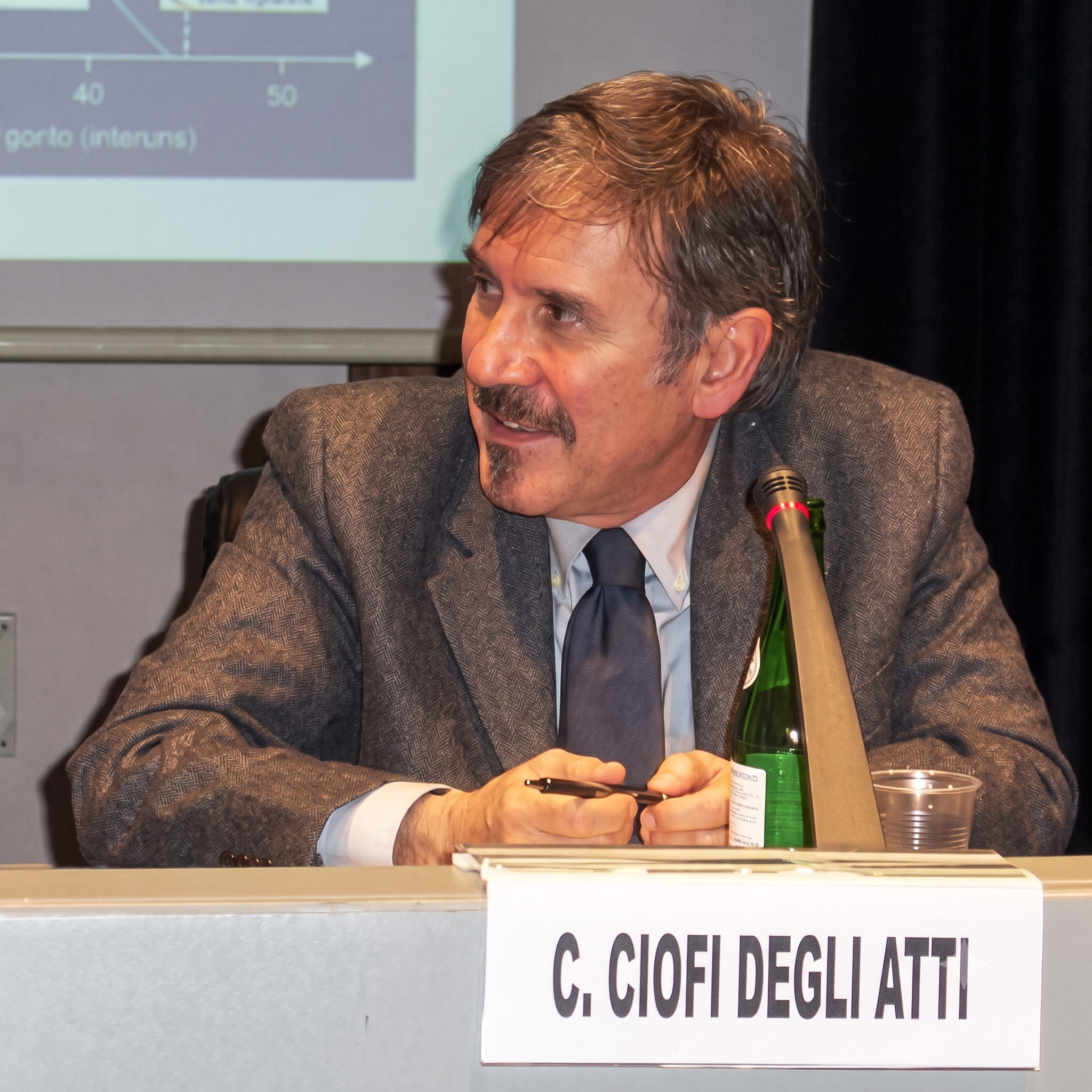
Farewell to Claudio Ciofi degli Atti
03 July 2026
Read more Farewell to Claudio Ciofi degli Atti