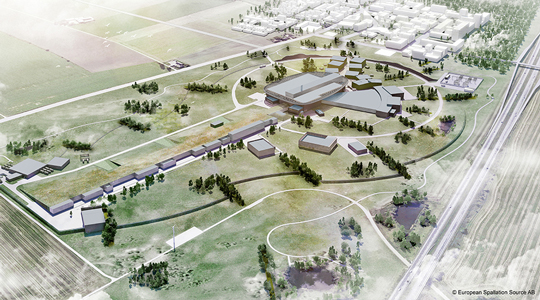
 ESS (European Spallation Source), the multi-disciplinary research centre based on the most powerful neutron source in the world, has been recently established as an European Consortium ERIC (European Research Infrastructure Consortium). The completion of this important milestone, recently approved by the European Commission, will guarantee a more agile management of the infrastructure construction and a lower cost realization. Already included among the strategic projects in the European Strategy Forum on Research Infrastructures (ESFRI) roadmap, ESS will enhance new areas of research and application in the fields of fundamental physics, life sciences, energy, environmental technology and cultural heritage. The construction of ESS, recently started, involves 17 countries, with Sweden and Denmark host nations. The two countries will be respectively the base of the research centre and the supercomputing facility, this last designed to manage the large amount of produced data. Italy participates in ESS with the Ministry of Education, University and Research (MIUR) and with INFN, holding the role of Italy coordinator, the National Research Council (CNR) and Elettra Synchrotron Trieste. The total planned investment amounts to 1.84 billion euro, the 6% of which will be from Italy, mainly (80%) as an in-kind contribution through the provision of machine parts. As for other countries, ESS will have for Italy a double strategic value: on one hand, it provides a unique opportunity for scientific research, whether basic or applied; on the other hand, a strong R&D effort will involve high technology industries, making of ESS an economic driver for the whole of Europe.

The song of the whales returns off the coast of Sicily

INFN and INAF express solidarity with their colleagues at INGV

Mariafelicia De Laurentis Elected President of SIGRAV
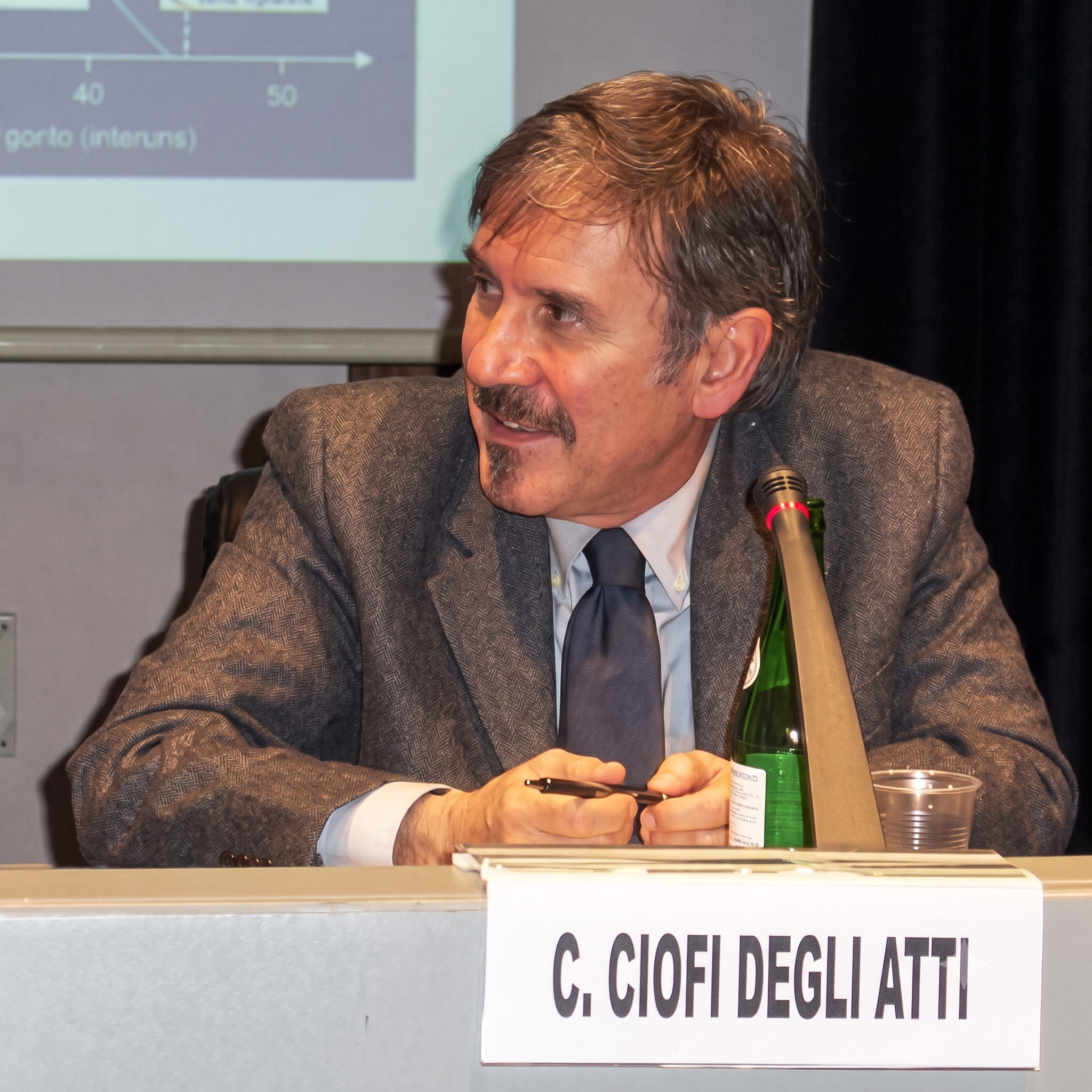
Farewell to Claudio Ciofi degli Atti
03 July 2026
Read more Farewell to Claudio Ciofi degli Atti