Towards Einstein Telescope: Why Sardinia could become the European capital of gravitational wave Research

28 July 2026

The construction of the Einstein Telescope (ET) is entering a decisive phase. While Europe prepares to choose the site that will host the future third-generation gravitational-wave observatory, collaboration is strengthening among the scientific communities involved in its design and in the definition of the European bid.

On 17 July, in Nuoro, the main Italian and German research organisations involved in these studies signed a Memorandum of Agreement (MoA) that consolidates cooperation between the Sardinian and Saxon candidacies and relaunches the proposal for a configuration distributed across two European sites. The joint proposal envisages a double-L (2L) configuration, one of the geometries currently under consideration for the Einstein Telescope. Unlike the triangular configuration originally envisaged, the 2L solution is based on two separate interferometers installed at different sites: in the case of the Italian–German proposal, at Sos Enattos, Sardinia, and Lusatia, Germany. The Einstein Telescope Organisation (ETO), which is responsible for coordinating the preparatory work for the implementation of the Einstein Telescope project,  will submit to the ET Board of Governmental Representatives (BGR) a report comparing the two possible geometries.  Should the comparative analysis indicate that the double-L configuration is the preferred option, and therefore that two sites are required, the candidacy of Sos Enattos would become a very strong contender.

 

The objective is to enhance the complementary characteristics of the two territories, maximise the scientific performance of the observatory, and strengthen European cooperation in the construction of one of the most important research infrastructures of the 21st century. The agreement was signed by the National Institute for Nuclear Physics (INFN), the National Institute for Astrophysics (INAF), the National Institute of Geophysics and Volcanology (INGV), Technische Universität Dresden and the Karlsruhe Institute of Technology (KIT), at the conclusion of a scientific workshop hosted by the Ethnographic Museum of Sardinia.

The signing of the Memorandum represents one of the most recent developments in a project destined to open a new era in the study of the universe. Einstein Telescope will in fact be the European third-generation gravitational-wave detector: an infrastructure designed to observe the universe with unprecedented sensitivity, exploring cosmic phenomena that are still inaccessible today. The observatory is named in honour of Albert Einstein, who more than a century ago predicted the existence of gravitational waves as a consequence of the theory of general relativity. For its size, technological complexity and scientific ambition, Einstein Telescope will be comparable to major European research infrastructures, such as the large accelerators and experiments of CERN and ITER. The project builds on the legacy of the current gravitational-wave detectors, Virgo in Italy, LIGO in the United States and KAGRA in Japan, developing their technologies on a much more advanced scale.

Included in the ESFRI (European Strategy Forum on Research Infrastructures) Roadmap since 2021, Einstein Telescope is recognised as one of the strategic infrastructures for the future of European research. Italy strongly supports the candidacy of the Sos Enattos site in Sardinia, which is suitable for hosting both possible ET configurations, through a broad programme of scientific, technological and infrastructural investments accompanied by strong institutional commitment.

Presentation of the Sardinia-Saxony candidacy, Nuoro, 17 July 2026 (©INFN)
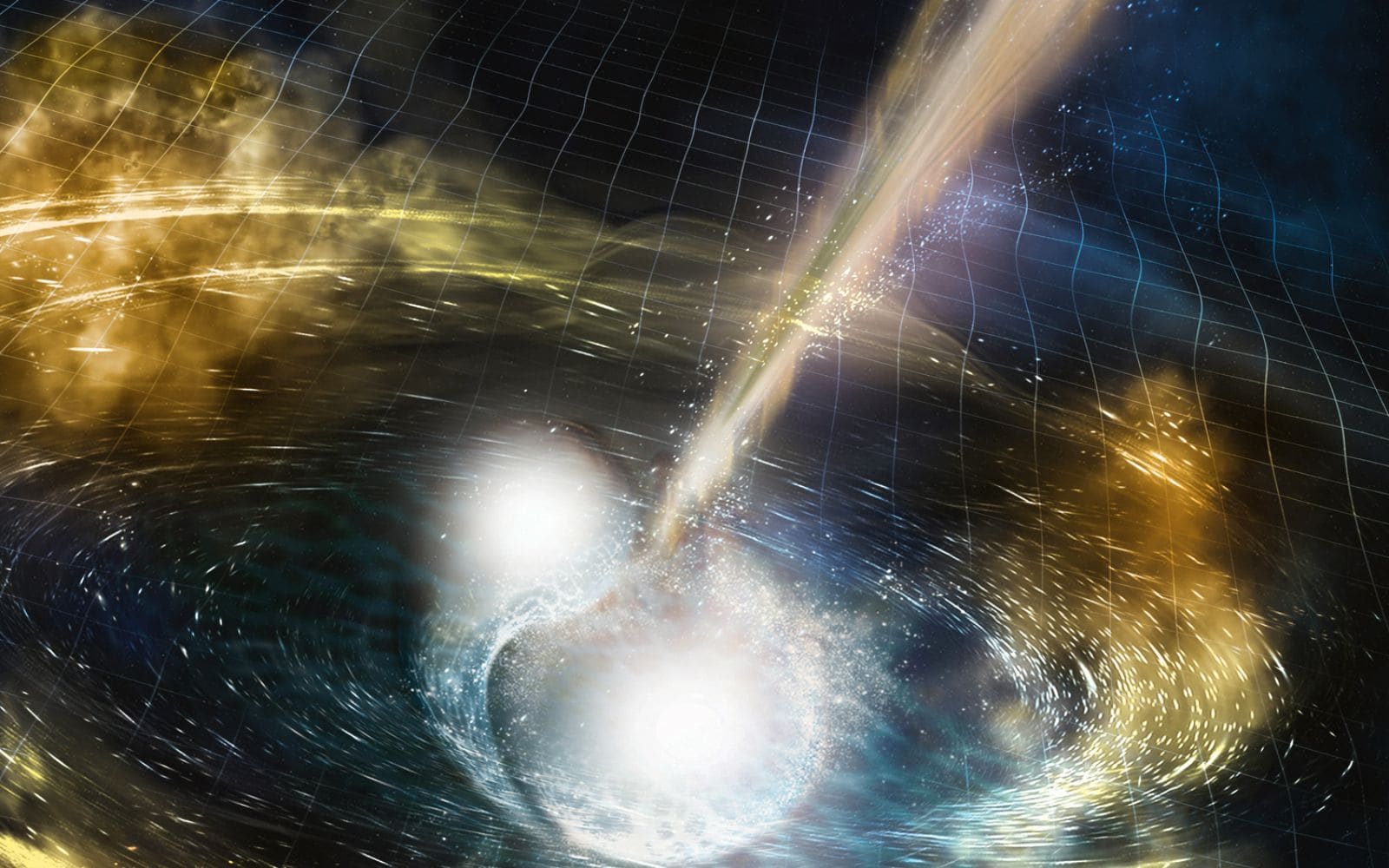
illutsrazione stelle neutroni
Artist’s illustration of two merging neutron stars. (© NSF/LIGO/Sonoma State University/A. Simonnet)

Scientific objectives

Einstein Telescope will represent a leap forward in the ability to observe the universe through gravitational waves. The technologies developed for the new observatory will in fact make it possible to significantly increase detector sensitivity, making signals observable that are currently too weak to be detected. Thanks to these capabilities, ET will be able to explore a volume of the universe at least one thousand times larger than that accessible to current instruments. It will be possible to continuously observe some of the most extreme phenomena in the cosmos, such as the merger of black holes and neutron stars, reconstructing the history of the evolution of the universe up to epochs very close to the Big Bang.

The observations will also help address some of the main open questions in contemporary physics, from the nature of dark matter and dark energy to the processes that govern the formation of cosmic structures. Einstein Telescope will also play a central role in the development of multi-messenger astronomy, combining information from gravitational waves with that collected by electromagnetic telescopes and neutrino and cosmic-ray detectors.

The science of Einstein Telescope is also the subject of an interview with Marica Branchesi, INFN  researcher, professor at Gran Sasso Science Institue (GSSI) and member of the technical-scientific committee promoting the Italian ET candidacy, published in the latest issue of Particle Chronicle, the INFN newsletter. Read the interview.


Candidate sites in Europe

The territories competing to host Einstein Telescope are three: the Italian site in the area of the former Sos Enattos metal mine, between the municipalities of Lula, Bitti, Onanì and Orune in the province of Nuoro; the Meuse-Rhine Euroregion on the border between the Netherlands, Belgium and Germany; and a site in Lusatia, in the German region of Saxony. The final decision is expected by 2027, when the committee of government representatives of the countries involved in ET (BDR – Board of Governmental Representatives) will make its decision.


In addition to the choice of a single site for a triangular-geometry interferometer, a configuration based on two L-shaped interferometers, like current ones, installed in different locations at a sufficient distance from each other, is also under study, together with a distributed network of supporting infrastructures located across various European countries. This solution, supported by the collaboration between Sardinia and Saxony, would make it possible to enhance the complementary characteristics of the two territories, expand the scientific potential of the infrastructure, reduce risks connected with the complexity of implementation, and promote international cooperation.

Big Science: a new generation of observatories

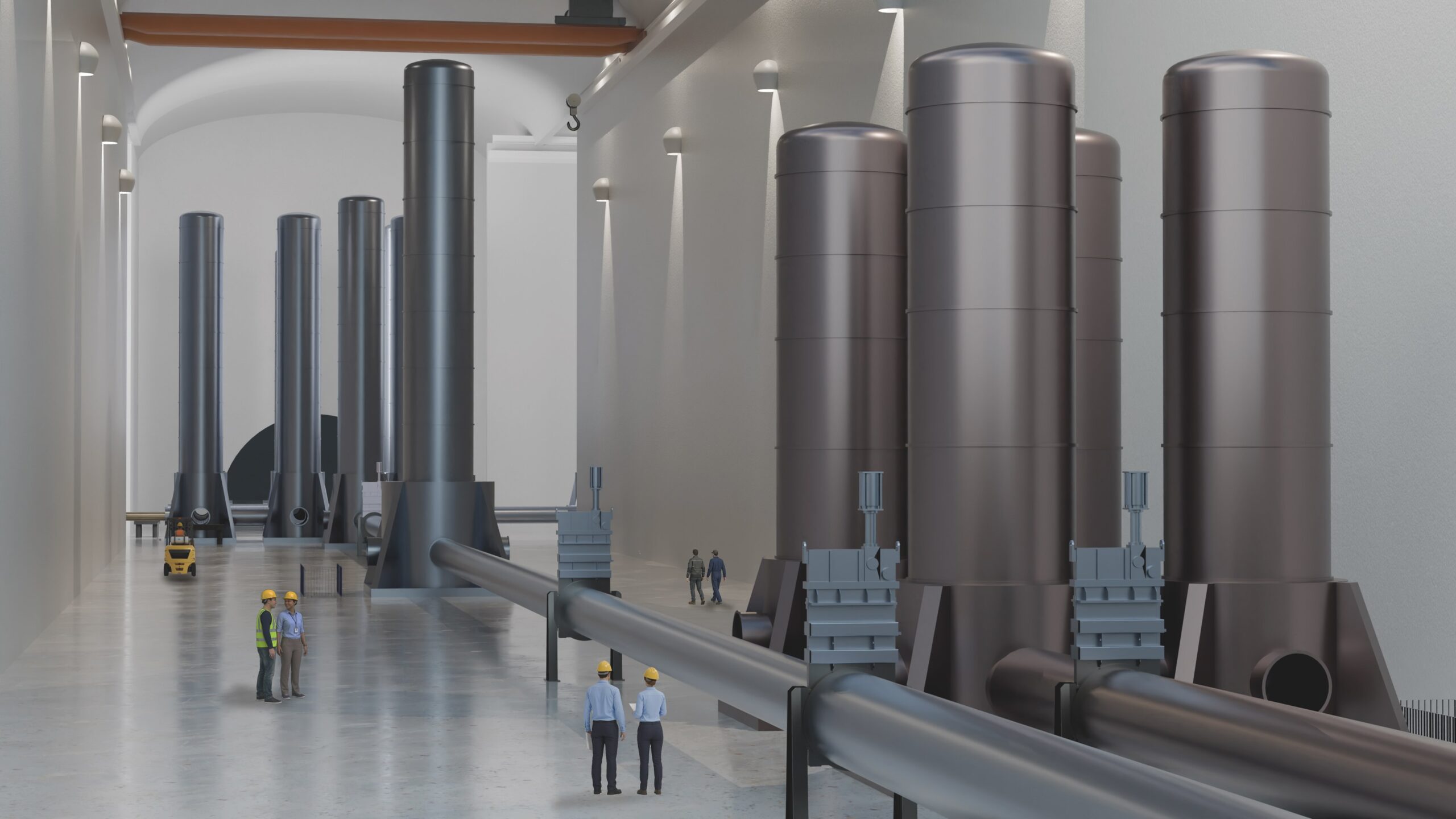
Einstein Telescope is the largest research infrastructure currently included in the ESFRI Roadmap, and its construction represents one of the main scientific, technological, engineering and organisational challenges of the coming decades. The project envisages the construction of a large underground infrastructure that will host a gravitational-wave detector at a depth of between 150 and 500 metres in order to preserve it under conditions of “silence”, isolating it from all sources of noise, both natural and human-made, that could interfere with measurements. The detector will be housed in an underground tunnel more than six metres in diameter, together with three large caverns approximately 20 metres high, connected to surface infrastructures. A visionary engineering work, designed from the outset in accordance with sustainability principles and with the objective of minimising the environmental and energy impact of the infrastructure throughout its entire life cycle.

Further information on the sustainability of the Einstein Telescope project is available on the dedicated page of the ET Italy website.https://www.einstein-telescope.it/en/opportunities-and-sustainability/

Rendering of the ET infrastructure
Rendering of the Einstein Telescope (ET) infrastructure. (© INFN)
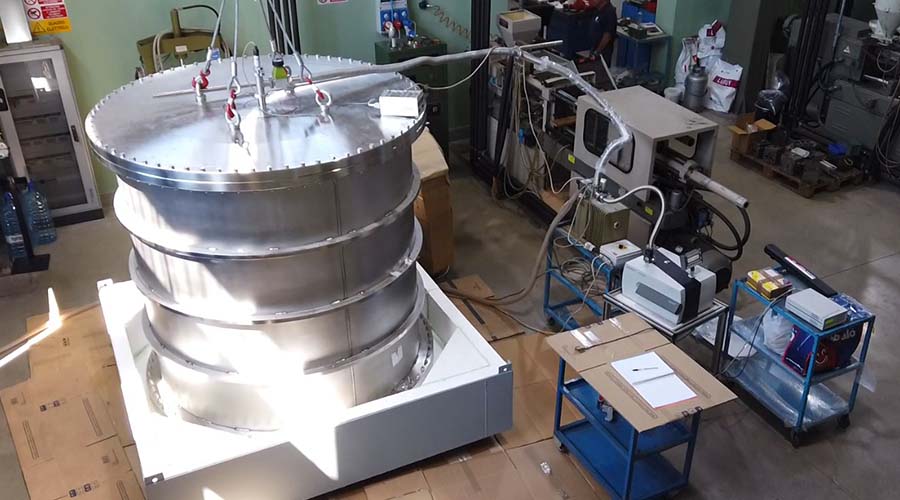
Researcher working in the AiLoV-ET laboratory, where cutting-edge technologies for the Einstein Telescope are being developed. (© INFN/AiLoV-ET)

To achieve the performance expected for ET, it will be necessary to combine three fundamental elements: identifying a site characterised by an extremely low level of seismic and anthropogenic noise, constructing a large underground observatory, and developing innovative technologies capable of significantly increasing detector precision. In recent years the international collaboration has worked on the preparatory phase of the project (Einstein Telescope Preparatory Phase), funded under the Horizon Europe programme. This activity concerned the definition of the observatory’s configuration, the development of enabling technologies, the design of data analysis methodologies and astrophysical models necessary for interpreting future observations.

The preparatory phase will conclude at the end of 2026. From 2027, ET-COMPASS (Coordination, Management, Planning and Strategic Support) will begin. This new European project, coordinated by INFN, is tasked with supporting the Einstein Telescope Organisation (ETO) and the wider Einstein Telescope initiative during the phase preceding construction of the observatory. With a duration of two years and funding of €1.5 million, ET-COMPASS will contribute to strengthening the project’s organisational structure, developing tools for economic assessment, increasing the involvement of European partners, and supporting coordination and communication activities.

Sos Enattos: seismic stability, low anthropogenic impact and sustainability

Among the most important requirements for hosting Einstein Telescope is the presence of an environment that is extraordinarily quiet from both a seismic and anthropogenic point of view. Gravitational waves produce extremely small variations that can easily be masked by natural ground vibrations or human activities. Sardinia possesses particularly favourable geological characteristics. From a tectonic point of view, the island constitutes a microplate of the Eurasian Plate and is therefore separated from the main areas affected by crustal deformation, volcanic activity and seismicity. This exceptional stability makes the territory particularly suitable for low-frequency observations, where seismic noise represents one of the principal limitations to the performance of a gravitational interferometer. The site proposed by Italy is located inland in the province of Nuoro, in the area surrounding the former Sos Enattos mine.

The geological characteristics of the subsoil allow for the safe construction of a large underground laboratory, while the limited presence of settlements and industrial activities guarantees an extremely low level of anthropogenic noise. Together, these factors make Sos Enattos one of the quietest places in the world and therefore one of the most promising sites in Europe for the construction of Einstein Telescope, probably the ideal site.

The website for the Italian bid is https://www.einstein-telescope.it/en/home-en/

et-2-progetti-di-punta-2
Overview of the SOS Enattos mine (© EGO/INFN)

SAR-GRAV: A laboratory in the heart of Sardinia

The Italian candidacy is also based on an already operational scientific infrastructure. Since 2019, SAR-GRAV has been active in the former Sos Enattos mine, a laboratory dedicated to gravitational-wave research, gravitational physics and geophysics, designed to operate under conditions of extremely low seismic and anthropogenic noise. The laboratory was established through a programme agreement between the Autonomous Region of Sardinia, which funds its activities, the University of Sassari, INFN, INGV, the University of Cagliari and IGEA S.p.A., the company that manages the mining site. Among the experiments hosted was Archimedes, dedicated to studying the possible interaction between electromagnetic vacuum fluctuations and the gravitational field. The first scientific results, published in 2024 in The European Physical Journal Plus, represent an important contribution to fundamental physics research. The experiment was subsequently transferred to the European Gravitational Observatory (EGO), which hosts the Virgo interferometer.

The area also hosts the INGV Geophysical Characterisation Centre for Einstein Telescope (CCGET), which coordinates studies of the subsoil and environmental noise necessary to assess the suitability of the site for the future European infrastructure.

attachment-immagine-news-inaugurazione-archimeds-sar-grav-sos-enattos-2
Inauguration of the Archimedes experiment. (© INFN)
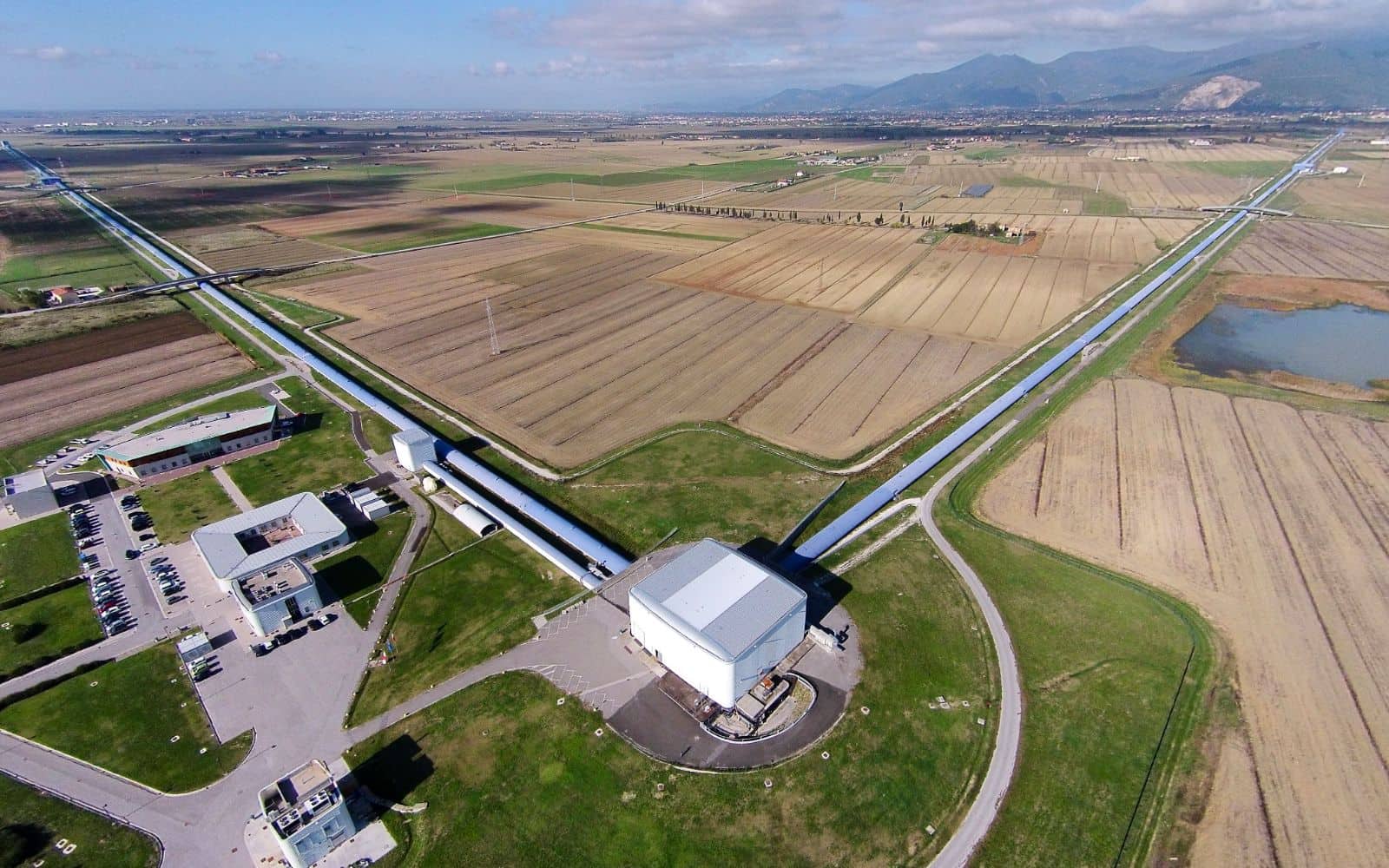
Aerial view of the VIRGO interferometer (© EGO-INFN)

The Italian candidacy

The Sos Enattos candidacy stems from a wealth of expertise that Italy has built up over more than thirty years of gravitational-wave research and the construction of major scientific infrastructures. On the one hand there is the experience gained with Virgo, which, together with the LIGO interferometers, played a leading role in the first direct detection of gravitational waves in 2015, a discovery that opened a new observational window on the universe. On the other hand, there is INFN’s long tradition in the design and management of large underground laboratories, such as the Gran Sasso National Laboratories, today the world’s most important underground laboratory dedicated to astroparticle physics.

A decisive step took place in 2020, when Italy promoted, together with a group of European countries, the inclusion of Einstein Telescope in the 2021 Roadmap of the European Strategy Forum on Research Infrastructures (ESFRI). Inclusion in the Roadmap recognises Einstein Telescope as one of the strategic scientific infrastructures for the future of European research and launches the process that will lead to site selection.

.

The Italian candidacy was officially presented by the Government at a press conference in June 2023. Supporting it is a broad alliance bringing together research organisations, universities and technological infrastructures with expertise ranging from fundamental physics to geophysics, from astrophysics to high-performance computing and digital networks. The alliance includes the Italian Space Agency (ASI), CINECA, Consortium GARR, the European Gravitational Observatory (EGO), the National Institute for Astrophysics (INAF), the National Institute for Nuclear Physics (INFN), the National Institute of Geophysics and Volcanology (INGV), the National Institute of Oceanography and Applied Geophysics (OGS), the Gran Sasso Science Institute (GSSI), and numerous Italian universities, including Bologna, Cagliari, Campania “Luigi Vanvitelli”, Genoa, Naples “Federico II”, Padua, Perugia, Pisa, Sapienza University of Rome, Rome Tor Vergata and Sassari.

In recent years this network has consolidated unprecedented scientific and technological cooperation, developing expertise and infrastructures that today constitute one of the main strengths of the Italian candidacy.


Investments and activities in support of the Italian bid to host the Einstein Telescope

The Italian candidacy has been accompanied by an important investment programme both from the Autonomous Region of Sardinia and through funding provided by the Ministry of University and Research under the National Recovery and Resilience Plan (PNRR) – Next Generation EU, as part of Mission 4 “Education and Research”. The objective has not only been to support the Sos Enattos candidacy, but also to strengthen the scientific and technological expertise necessary for the future construction of Einstein Telescope.

ETIC: a national network of laboratories

Among the main PNRR initiatives supporting the Italian candidacy is ETIC (Einstein Telescope Infrastructure Consortium), launched in 2023 with funding of €37 million.

The project pursued two complementary objectives: developing the preparatory studies for the technical and economic feasibility project of the observatory and establishing a national network of laboratories dedicated to Einstein Telescope technologies.

Thanks to ETIC, infrastructures have been created or upgraded at INFN sites, universities and research institutions, giving rise to a network of 18 laboratories specialised in developing strategic technologies for the future observatory.

The activities concern five main areas:

  • Optics, electronics and photonics
  • Vacuum and cryogenics
  • Data acquisition and computing systems
  • Suspensions
  • Interferometers and sustainable design

For further information:

MITI: the legacy of ETIC

The legacy of the ETIC project will be taken forward by MITI (Multimessenger Infrastructures and Technologies in Italy), a new initiative dedicated to the development of enabling technologies for multi-messenger astronomy and the strengthening of the national laboratory network. The project will begin on 1 August 2026, will last 30 months, and will be funded with approximately €15 million by the Ministry of University and Research under the National Programme for Research, Innovation and Competitiveness 2021–2027. Coordinated by INFN – Perugia Section, MITI will involve six INFN facilities: the Sections of Cagliari, Genoa, Naples, Perugia and Rome, together with the Southern National Laboratories. The objective is to consolidate the laboratory network established through ETIC and develop new technologies for the future generation of multi-messenger observatories.

FABER/MEET

Coordinated by INGV, the PNRR FABER/MEET project has strengthened infrastructures dedicated to Earth monitoring through the construction of a distributed multi-parameter observatory in the Sos Enattos area.

The infrastructure collects geophysical data under conditions of extremely low environmental noise and constitutes an essential tool for the characterisation of the candidate site and for future research activities.


Laboratorio Caos a Perugia
The Caos Laboratory in Perugia. (© INFN)

TeRABIT

Among the infrastructures also developed under the PNRR is TeRABIT, the project that led to the creation in Sardinia of a regional optical fibre ring approximately 1,100 kilometres long.

The infrastructure, built by GARR and integrated into the national GARR-T research network, provides Sardinia with ultra-high-performance connections and an internal aggregate capacity of 1.6 terabits per second.

For Einstein Telescope, this is a strategic infrastructure: for the first time, Sardinia has four 400 Gbps submarine connections to mainland Italy, strengthening the island’s role within European research networks and making it possible to manage the large volumes of data that will be produced by the future observatory.


Communication and outreach activities for citizens, institutions and the media

Numerous initiatives have already been launched to support the Italian bid for the Sos Enattos site, and many more are planned, both locally, with the contribution of the Autonomous Region of Sardinia, local institutions and universities, and at national and international level through activities scientifically coordinated by INFN. Among the most recent initiatives is the opening of an Einstein Telescope information point in the centre of Lula, which will be followed in the coming months by the opening of a second information point in Nuoro. These public spaces are intended to provide places for dialogue and public participation for local communities, while also becoming a point of reference both for people who live in the area and for those who visit it.


To find out more about these initiatives, readers can visit the website https://www.einstein-telescope.it/, which includes a dedicated page listing all past and ongoing events.


ET-SUnLab: the laboratory looking towards the future

The Italian candidacy therefore continues to grow stronger thanks to investments in research, new infrastructures and the work of the Einstein Telescope scientific community. As the decision on how and where to build it, expected by 2027, draws closer, the Sos Enattos site is working intensively to prepare its candidacy in the best possible way. On 17 July 2026, construction work began on ET-SUnLab (Einstein Telescope Sardinia Underground Laboratory), the new multidisciplinary laboratory that will rise in the former Sos Enattos mine. The infrastructure is funded with approximately €20 million provided by the Region of Sardinia and jointly by INFN, INAF and INGV. Presented in March 2025, the project envisages the refurbishment of the building that hosted the SAR-GRAV laboratory and the construction of a new underground laboratory with extremely low environmental noise.

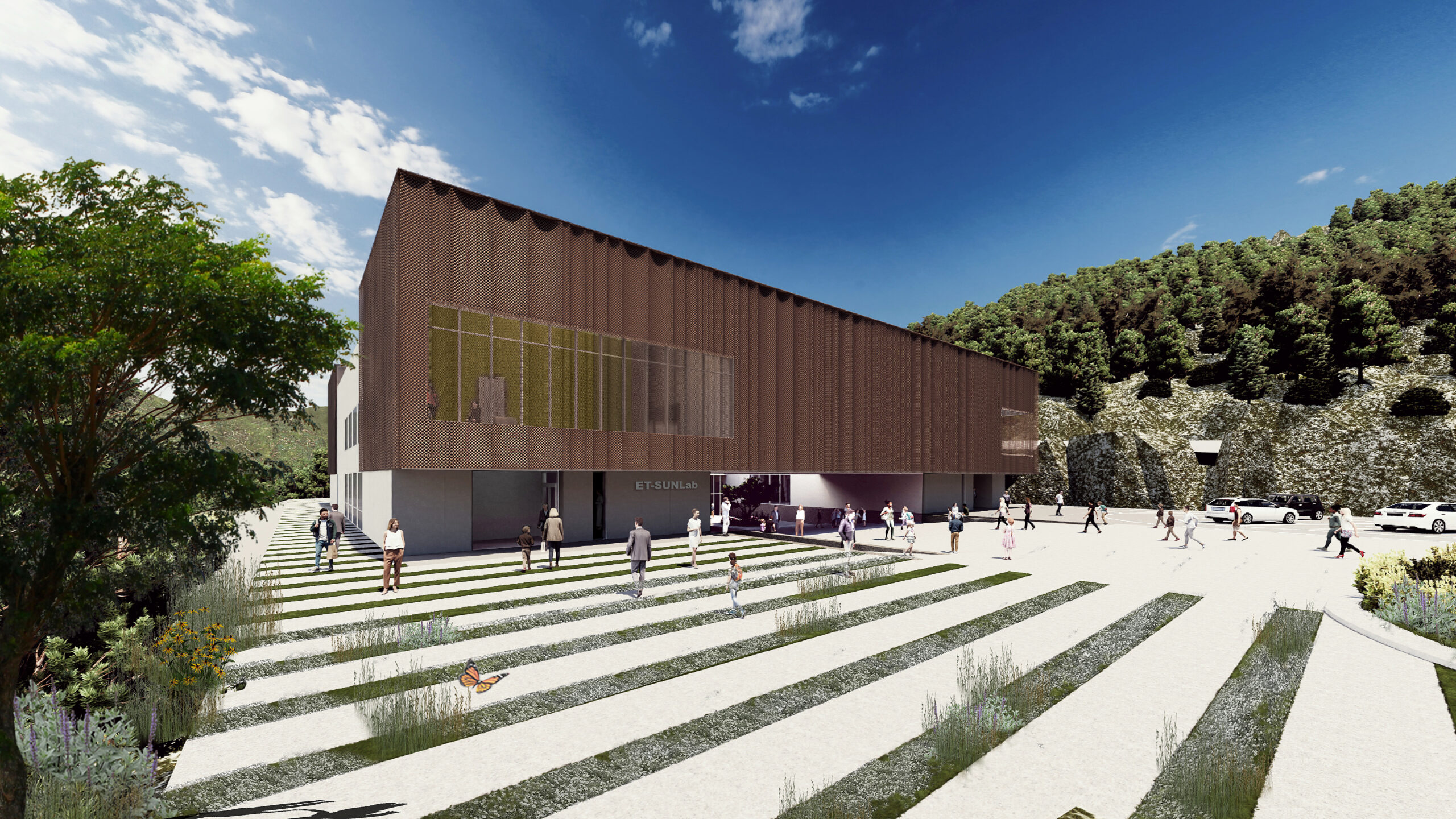
Il progetto del futuro edificio di ET-SunLab
Architectural design of the future ET-SunLab building. (© DICAAR – University of Cagliari)

ET-SUnLab will be dedicated to the development and testing of technologies for Einstein Telescope and to fundamental physics experiments requiring particularly stable environmental conditions. It will also host MezzoCielo, a large-aperture ground-based telescope, and a geophysical observatory dedicated to studying the geodynamics of the Tyrrhenian Sea and the internal structure of the Earth. With ET-SUnLab, Sos Enattos consolidates its role as a permanent scientific hub, capable of hosting research activities independently of the future construction of the European observatory.

The decision on the location of Einstein Telescope will represent a decisive step for the future of the infrastructure. Supported by the Government, INFN and a broad network of research organisations, universities and scientific and technological partners, the Italian candidacy is founded on the experience and expertise of the national gravitational-wave community, on the unique characteristics of the Sardinian site, and on a programme of investment and scientific development already under way in order to guarantee the best conditions for realising its extraordinary scientific potential.


a cura di Ufficio Comunicazione INFN – COMUNICAZIONE ISTITUZIONALE E MEDIA


You might also be interested in
Synchrotron, the first high-energy accelerator built in Italy at the INFN National Laboratories of Frascati.

75 Years of INFN

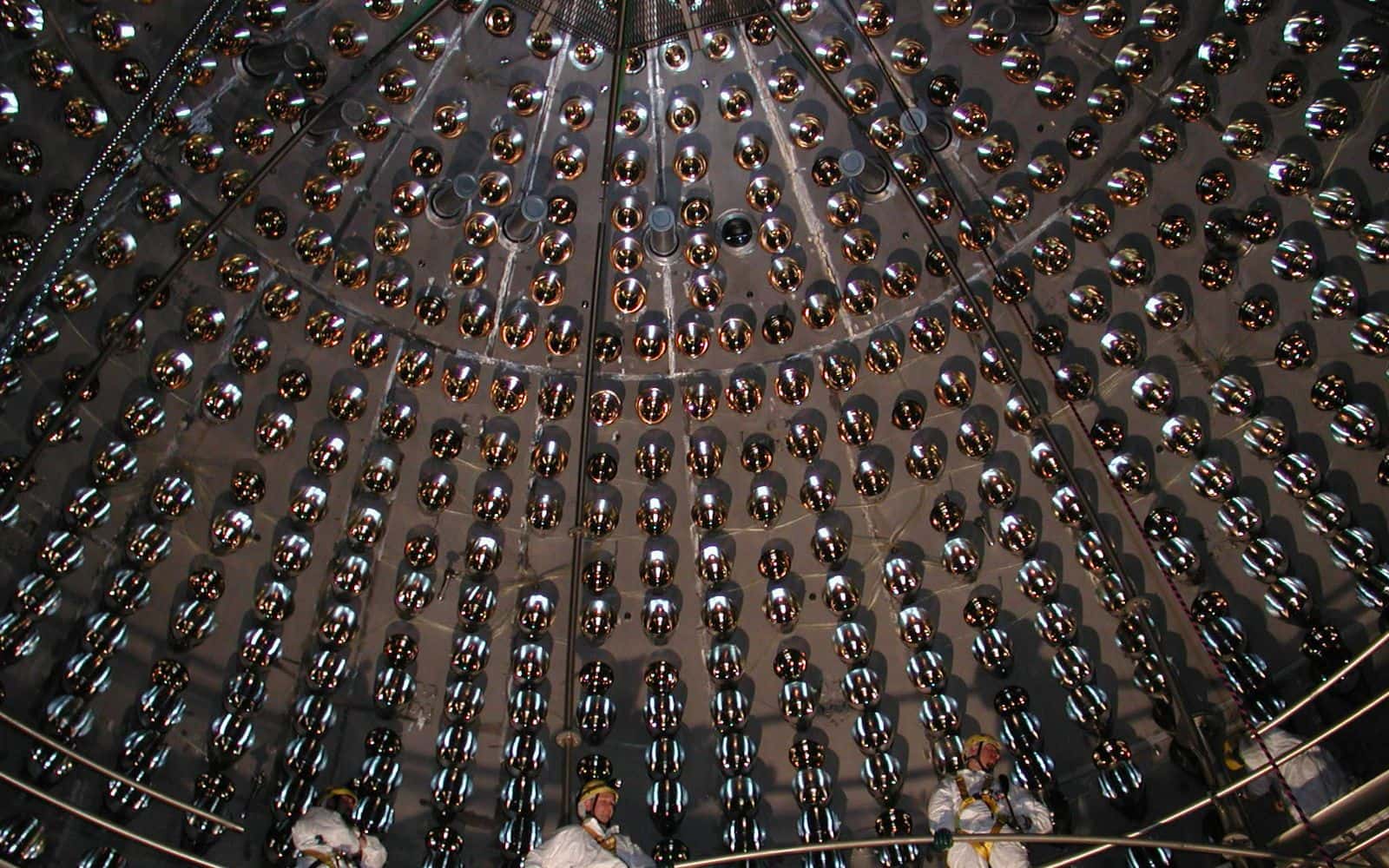
borexino lngs

70 Years of Neutrinos

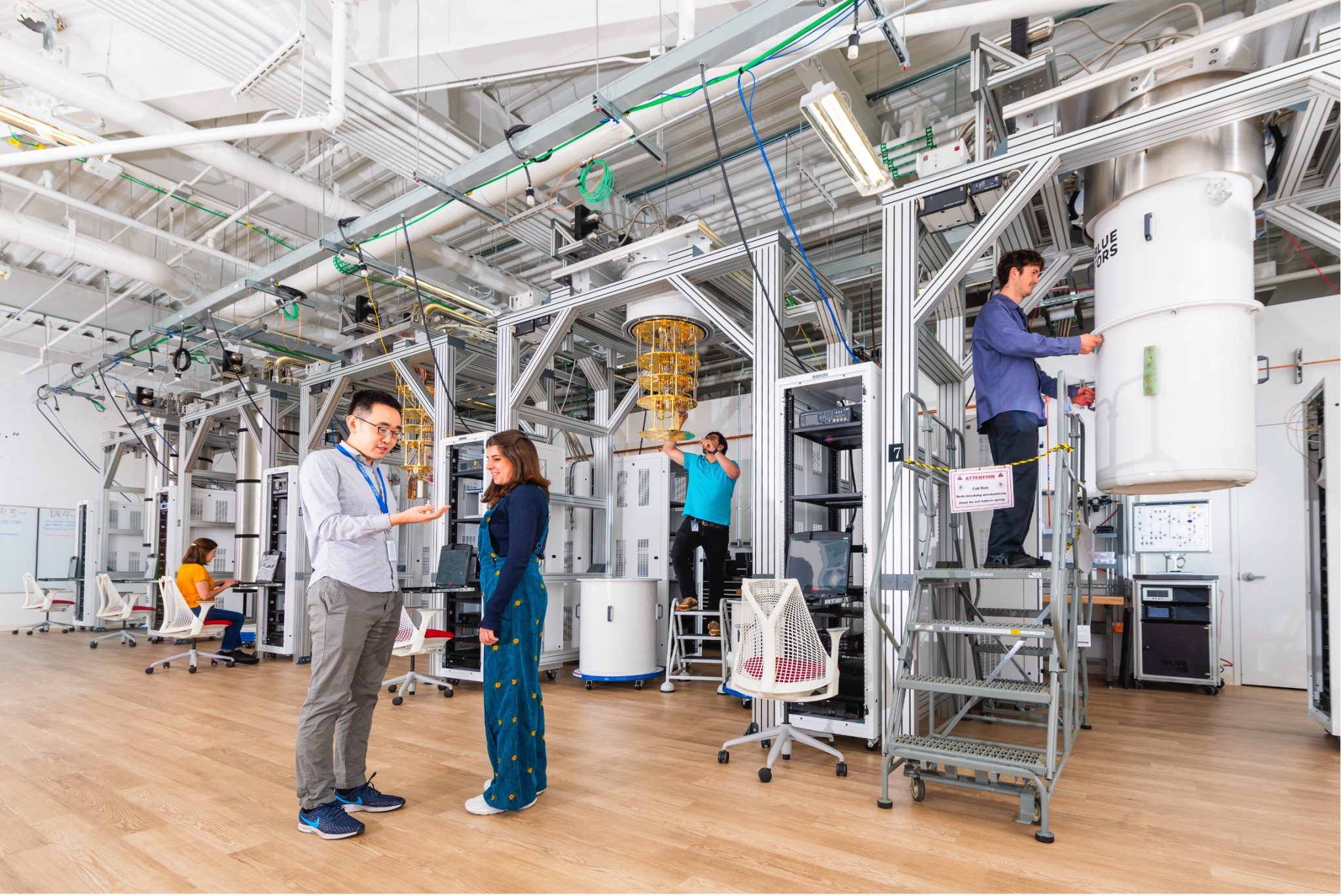
Researchers collaborating on the development of quantum technologies at the SQMS Quantum Garage, one of the quantum research facilities developed by the Centre. ©Ryan Postel, Fermilab

From bit to qubit. The quantum future of computing

Panoramica della mappa di FCC

Physics looks ahead to FCC

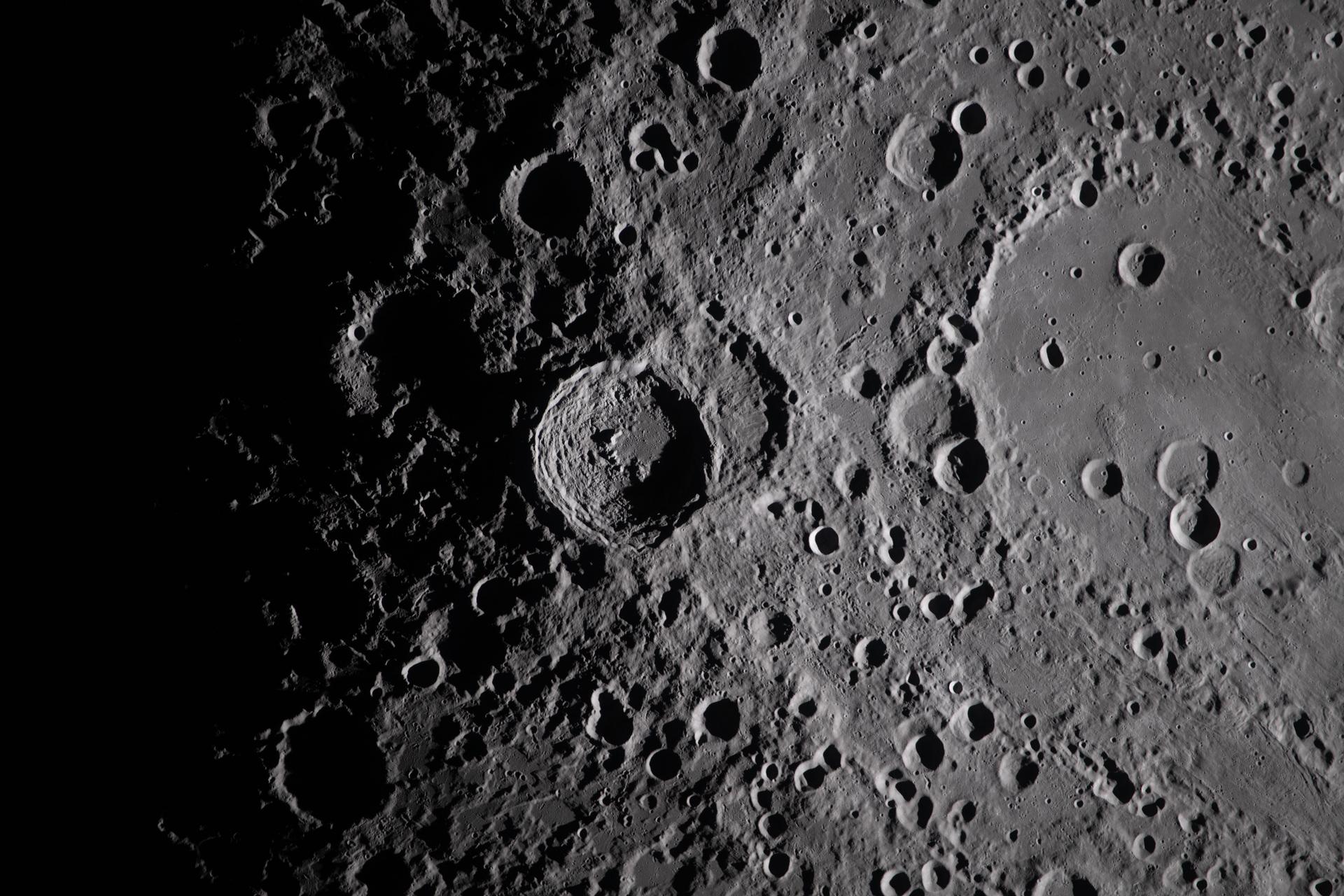
April 6, 2026 - A close-up view taken by the Artemis II crew of the moon surface. Credi NASA

Moon

30 April 2026 Read more Moon
gruppo fisici

Investing in knowledge