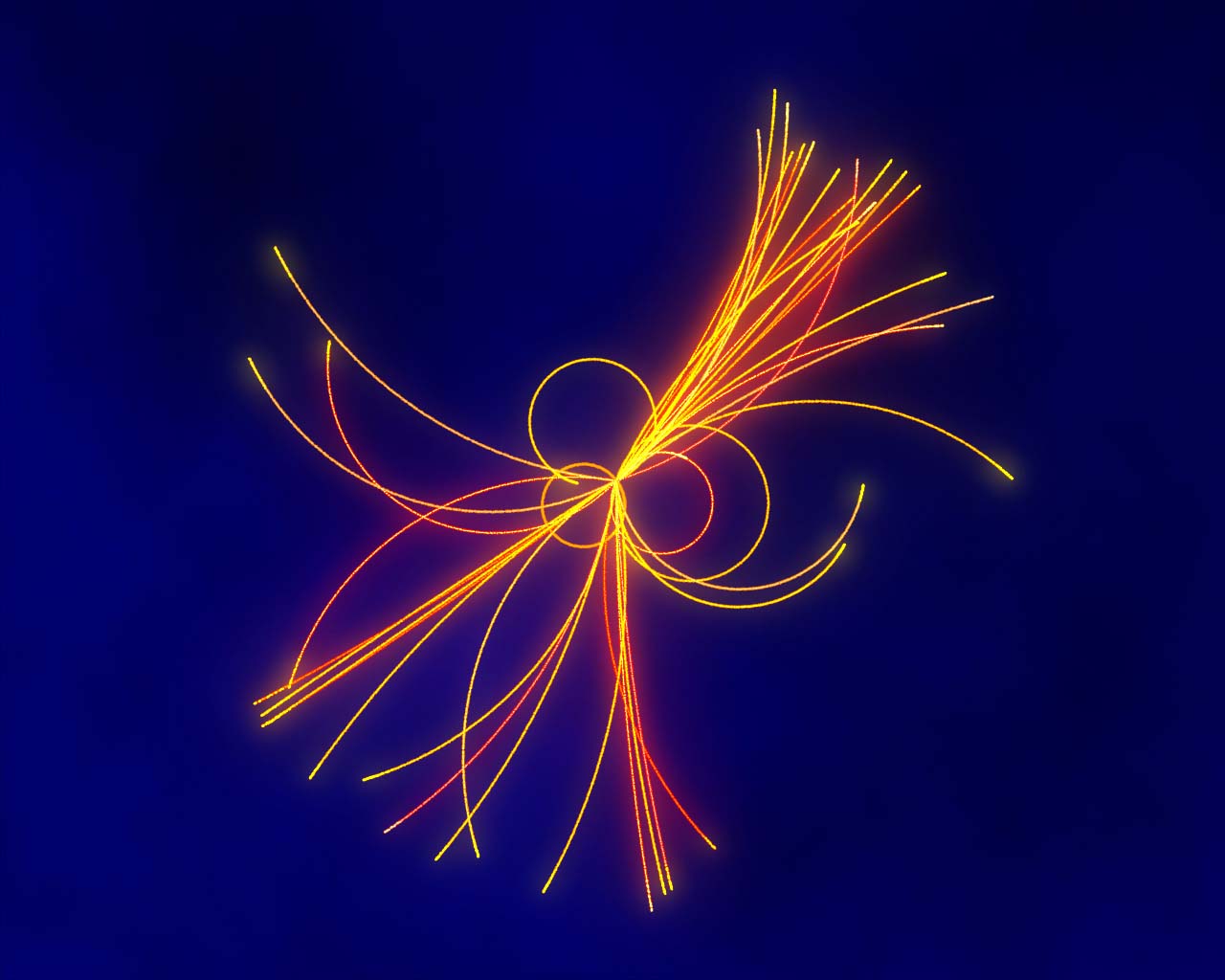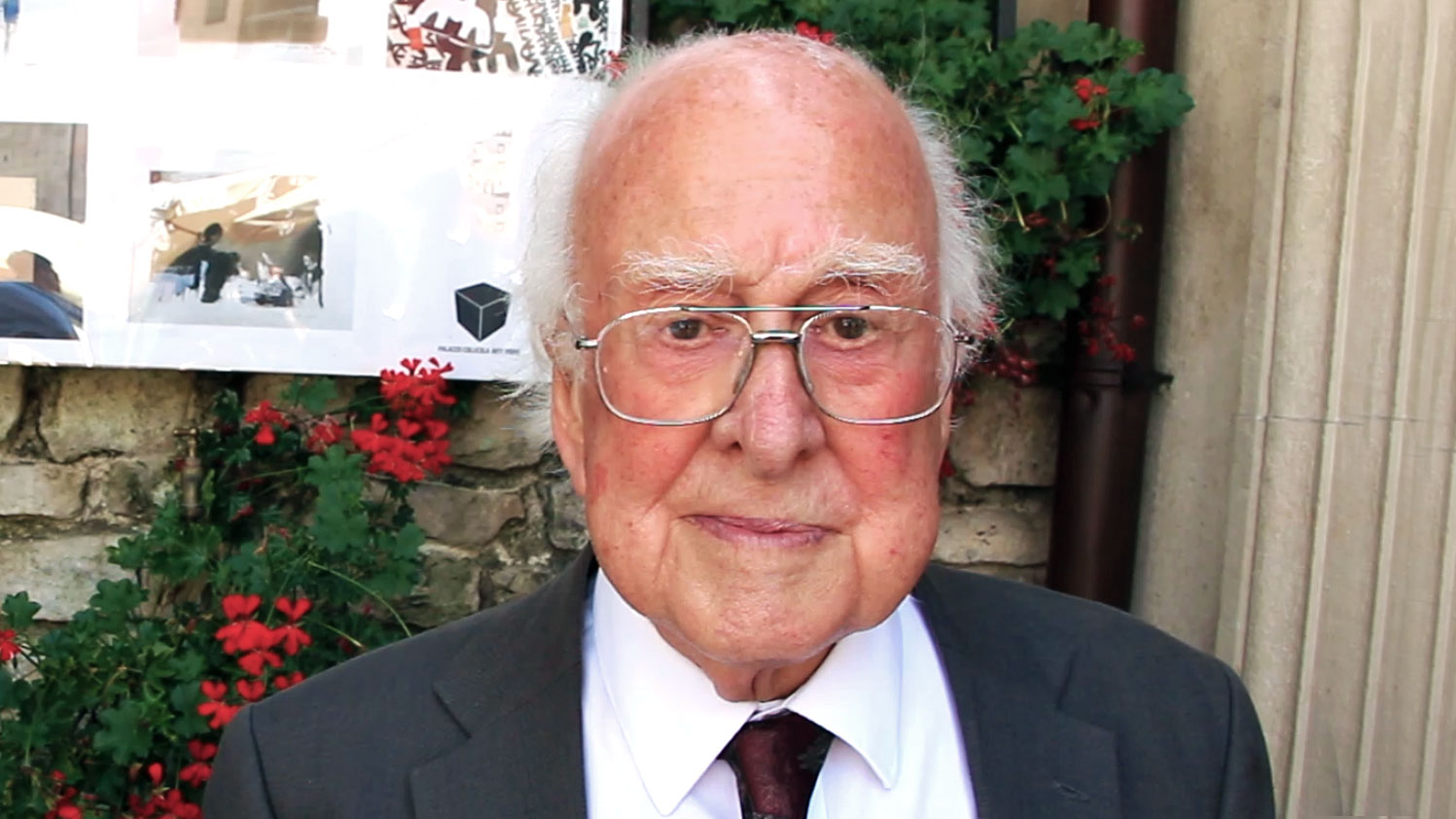
The British theoretical physicist Peter Higgs died on 8 April at the age of 94. In 2013, Higgs received the Nobel Prize in Physics for having developed the hypothesis for the mechanism through which elementary particles acquire mass in 1964, as well as for the existence of the boson that now bears his name. The latter was confirmed experimentally after fifty years by the ATLAS and CMS experiments at CERN’s LHC accelerator. It was a historic discovery whose accomplishment required the creation of the biggest and most powerful group of machines ever built. The Italian scientific community coordinated by INFN provided a fundamental contribution to the discovery, which was announced to the world on 4 July 2012 by the Italian Fabiola Gianotti and the American Joseph Incandela. At the time, Gianotti and Incandela led the scientific collaborations of the two experiments, ATLAS and CMS respectively.