 A first prototype for an all-European, in terms of both design and technology, supercomputing infrastructure. This is the goal of EuroExa, a project funded with 20 million euros under the H2020 research programme and just launched by the sixteen European institutions that participate in it, including the National Institute for Nuclear Physics (INFN) and the National Institute of Astrophysics (INAF) in Italy. The institutions of the EuroExa consortium met at the Supercomputer Centre in Barcelona to confirm the start of the EuroEXA project and, at the same time, mark their participation in the development of demonstrators of parallel calculation systems scalable up to the ExaFlops level, i.e. capable of performing one billion billion floating point operations per second. The growing importance of High Performance Computing (HPC) was recently been reaffirmed by the signing of a declaration in support of next-generation computing and data infrastructures by Ministers from nine European countries (France, Germany, Italy, Luxembourg, the Netherlands, Portugal, Spain, Belgium and Slovenia). The organisations participating in EuroEXA ensure a rich contribution in terms of application areas, including climate, meteorology, basic physics, energy, life sciences and bioinformatics. The ultimate goal, which will be the subject of a subsequent EU funding phase, is to implement by 2022/23 an integrated high-performance computing infrastructure at the ExaFlops scale, based primarily on European technology, an ExaScale computing infrastructure available across the EU for scientific communities, industry and the public sector.

Theoretical physics helps unveil the molecular mechanisms of extra-chromosomal DNA in tumours
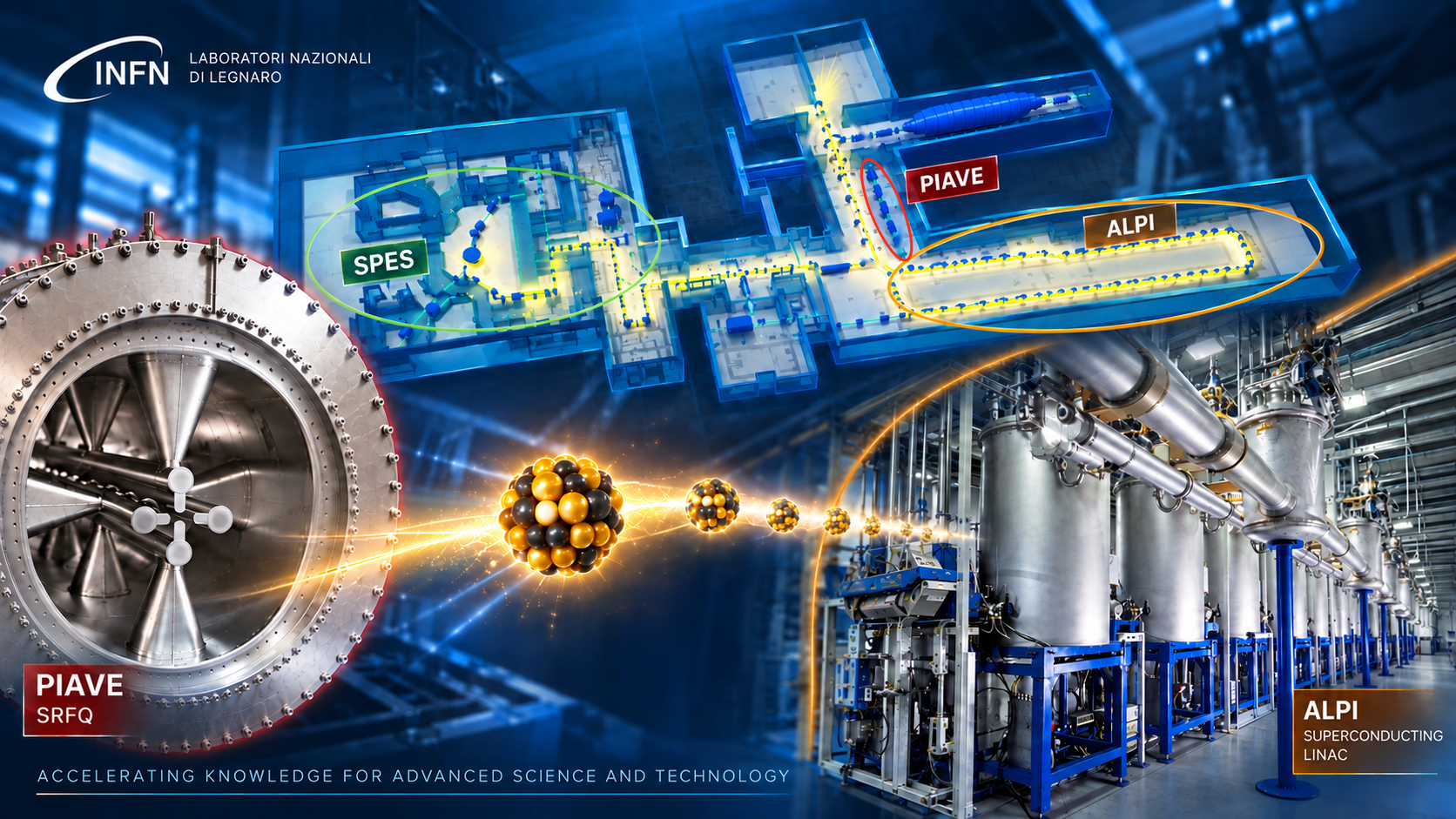
A new chapter in the study of the origin of the heavy elements begins at INFN Legnaro National Laboratories
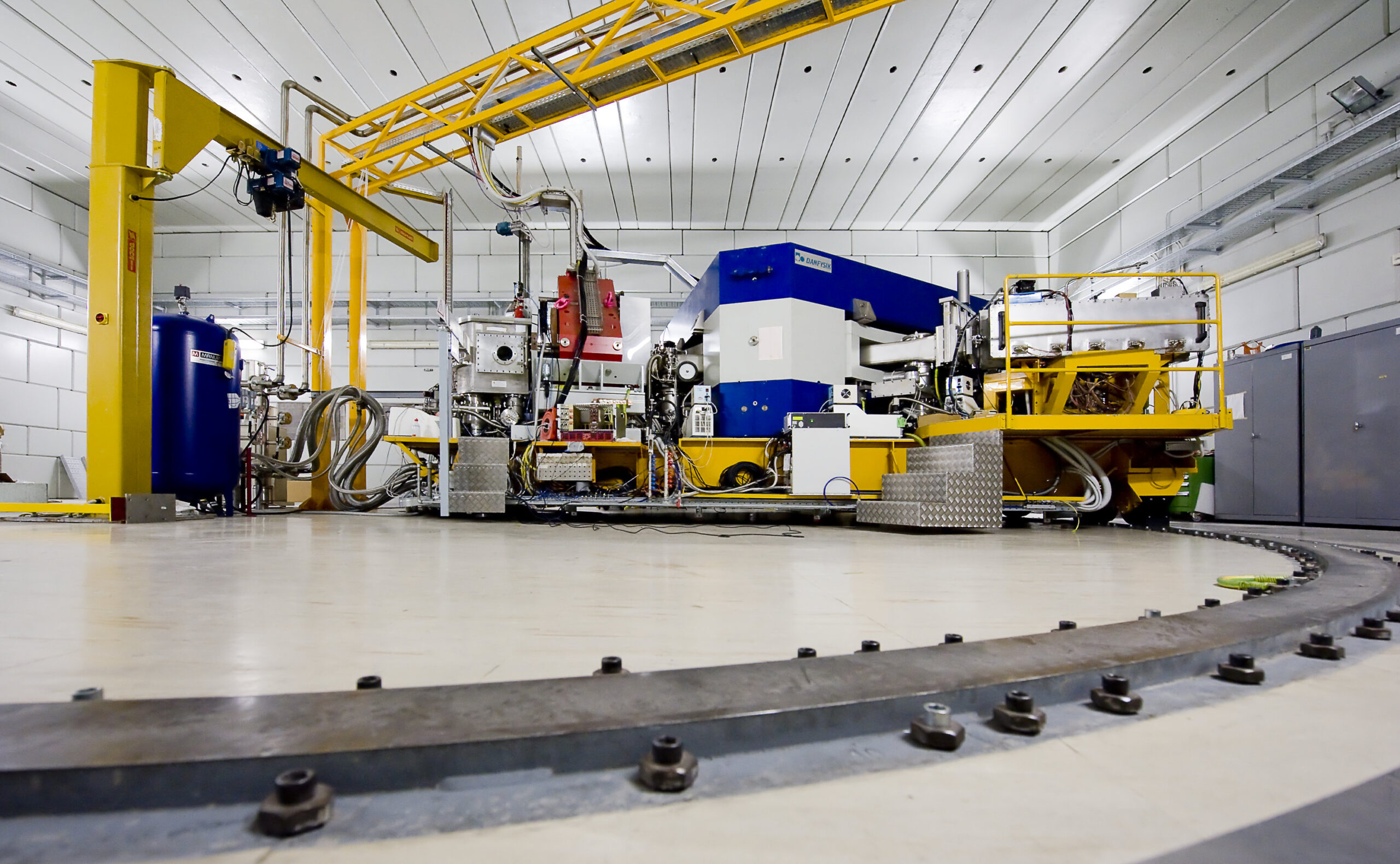
New measurements of helium-4 challenge nuclear models at INFN National Laboratories of the South
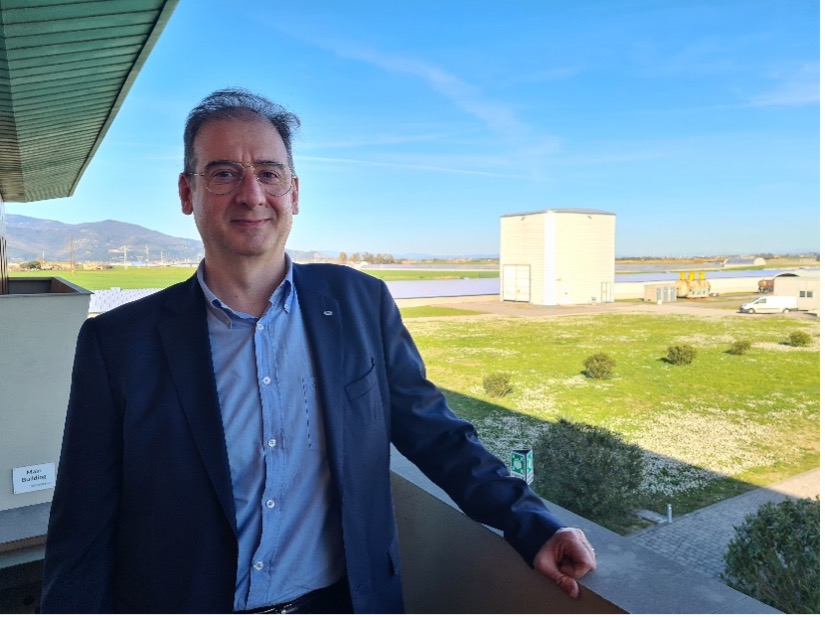
Michele Punturo is the Director of ICRANet
14 September 2026
Read more Michele Punturo is the Director of ICRANet
