 During the Council meeting of 12 December, CERN’s management presented the new calendar for the next scientific runs of the LHC accelerator, the Large Hadron Collider. According to the updated programme, the LHC will start up again in May 2021, two months after the initially planned date: the extra time will be needed by the accelerator and the experiments to complete the preparations for run3. The new programme also envisages the extension of run3 by one year, which will therefore last until the end of 2024. At the same time, the machine upgrade projects envisage that all the technological equipment necessary for the future High Luminosity LHC (HiLumi LHC, the high luminosity successor to the current LHC) project and its experiments, will be installed during the Long Shutdown 3 (LS3), between 2025 and mid 2027. HiLumi LHC will come into operation at the end of 2027.Important works are also under way on all machines and infrastructures: the particle acceleration chain has been entirely renewed within the scope of the LHC Injectors Upgrade (LIU) project, new equipment has been installed in the LHC and numerous experiment components, including entire sub-detectors, are being replaced in order to prepare for high luminosity.HiLumi LHC will produce many more collisions than the current accelerator, so as to be able to accumulate as much as ten times more data than its predecessor. The new machine will be able to detect extremely rare phenomena and improve the measurement accuracy. In order to fully exploit the increased amount of data, the experiments have initiated ambitious programmes to upgrade the detectors, also thanks to the work of the researchers and technical staff of INFN, who are carrying out fundamental activities in this enterprise where high technology plays a key role


The song of the whales returns off the coast of Sicily

INFN and INAF express solidarity with their colleagues at INGV

Mariafelicia De Laurentis Elected President of SIGRAV
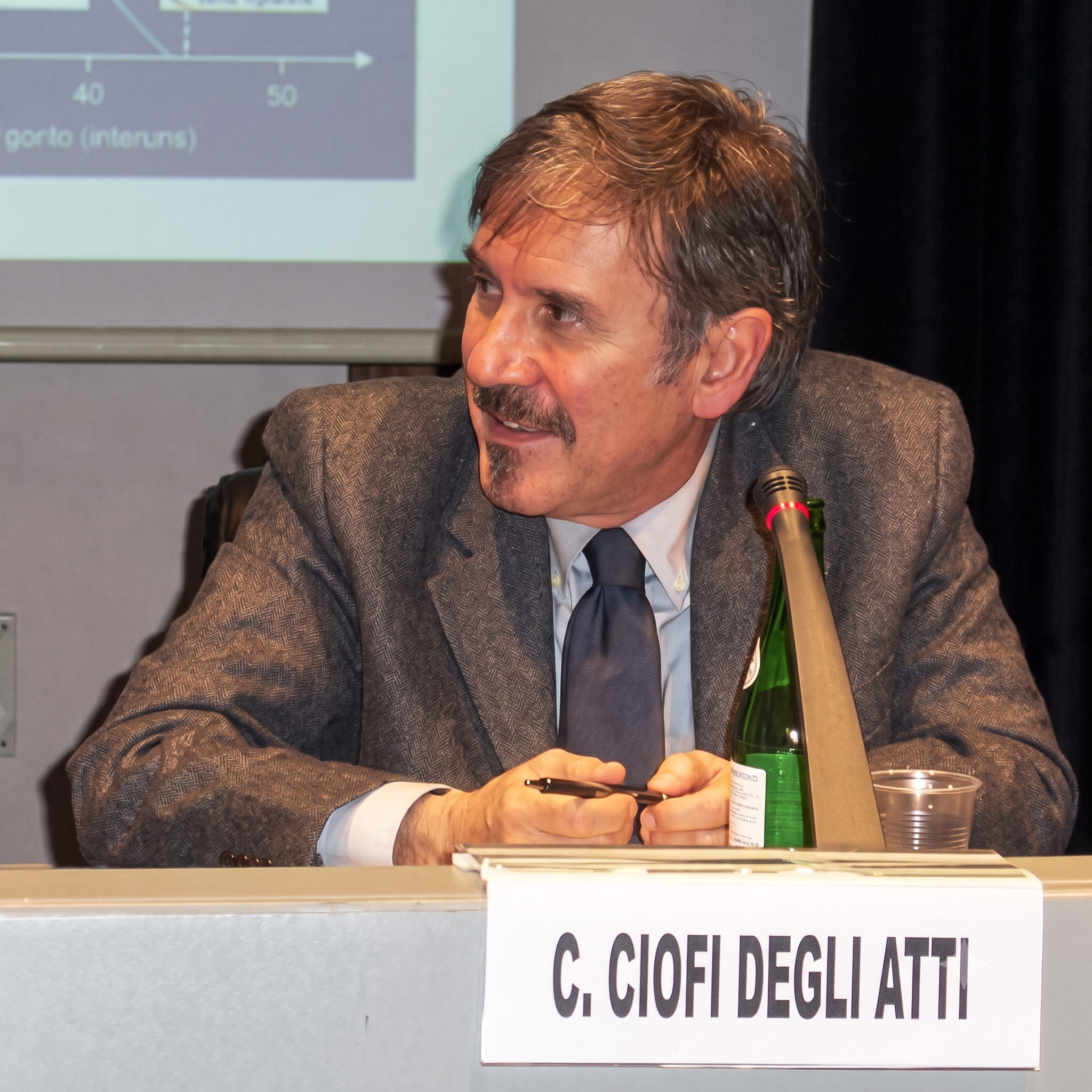
Farewell to Claudio Ciofi degli Atti
03 July 2026
Read more Farewell to Claudio Ciofi degli Atti