 In September 2019, at the KAON 2019 conference in Perugia and at a seminar at CERN, in Geneva, the collaboration of the NA62 experiment at CERN, in which INFN physicists and technologists participate, presented its new results on the very rare decay of a charged kaon into a pion, a neutrino and an anti-neutrino. The results show two events recorded in the data gathered by the experiment in 2017 and add to one decay event recorded in the 2016 dataset.In addition to these events, the NA62 collaboration presented new measures, obtained with unprecedented sensitivity, of the decay of a neutral pion into particles that are invisible to the experiment, like neutrinos or not yet known particles.At the moment, the collaboration is analysing the data collected in 2018 and the experiment is getting ready for the new data-acquisition phase that will start in 2021, with an upgrade of the experimental apparatus aimed mainly at the reduction of the background, in order to perform high-precision measurements of the very rare kaon decay. The aim is to discover any anomalies in this process, to find behaviours that the Standard Model does not predict. The rare processes represent, in fact, a privileged access channel to what physicists define as New Physics, the physics that we do not yet know and that goes beyond our current theories.The results obtained so far on over 2000 billion kaon decays are in line with the predictions of the Standard Model. However, by analyzing ever larger and ever more sensitive samples of data, divergences could emerge. The NA62 collaboration, led by the Italian Cristina Lazzeroni of the University of Birmingham, involves around 200 physicists in Europe, the United States, Canada, Mexico, and Russia, and INFN’s commitment to the project stands out. Around one third of the participants are INFN researchers: more than 70 physicists and technologists contribute in a decisive way to the success of the experiment with important responsibilities both for the detector and for the experiment’s complex data acquisition system


The song of the whales returns off the coast of Sicily

INFN and INAF express solidarity with their colleagues at INGV
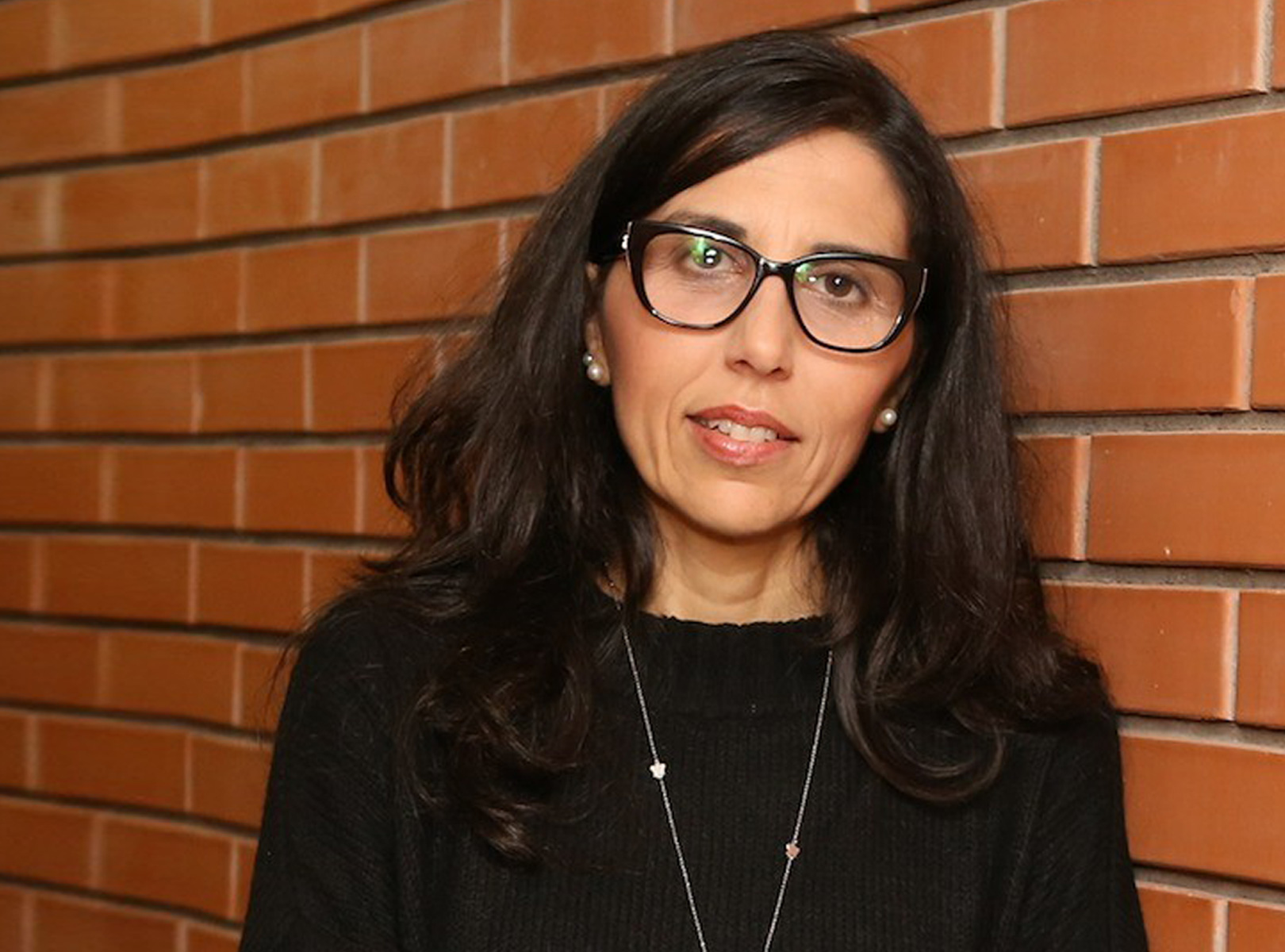
Mariafelicia De Laurentis Elected President of SIGRAV
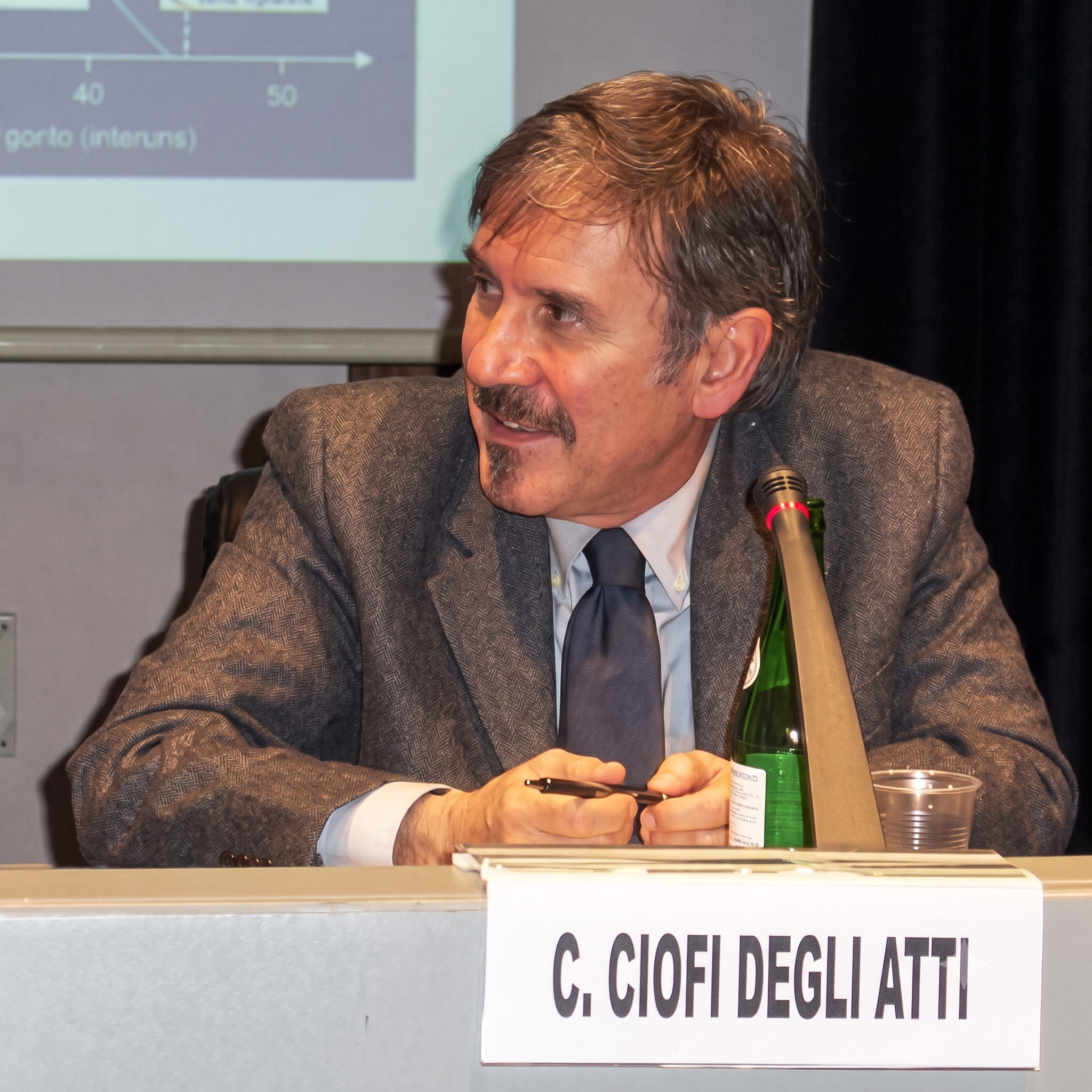
Farewell to Claudio Ciofi degli Atti
03 July 2026
Read more Farewell to Claudio Ciofi degli Atti