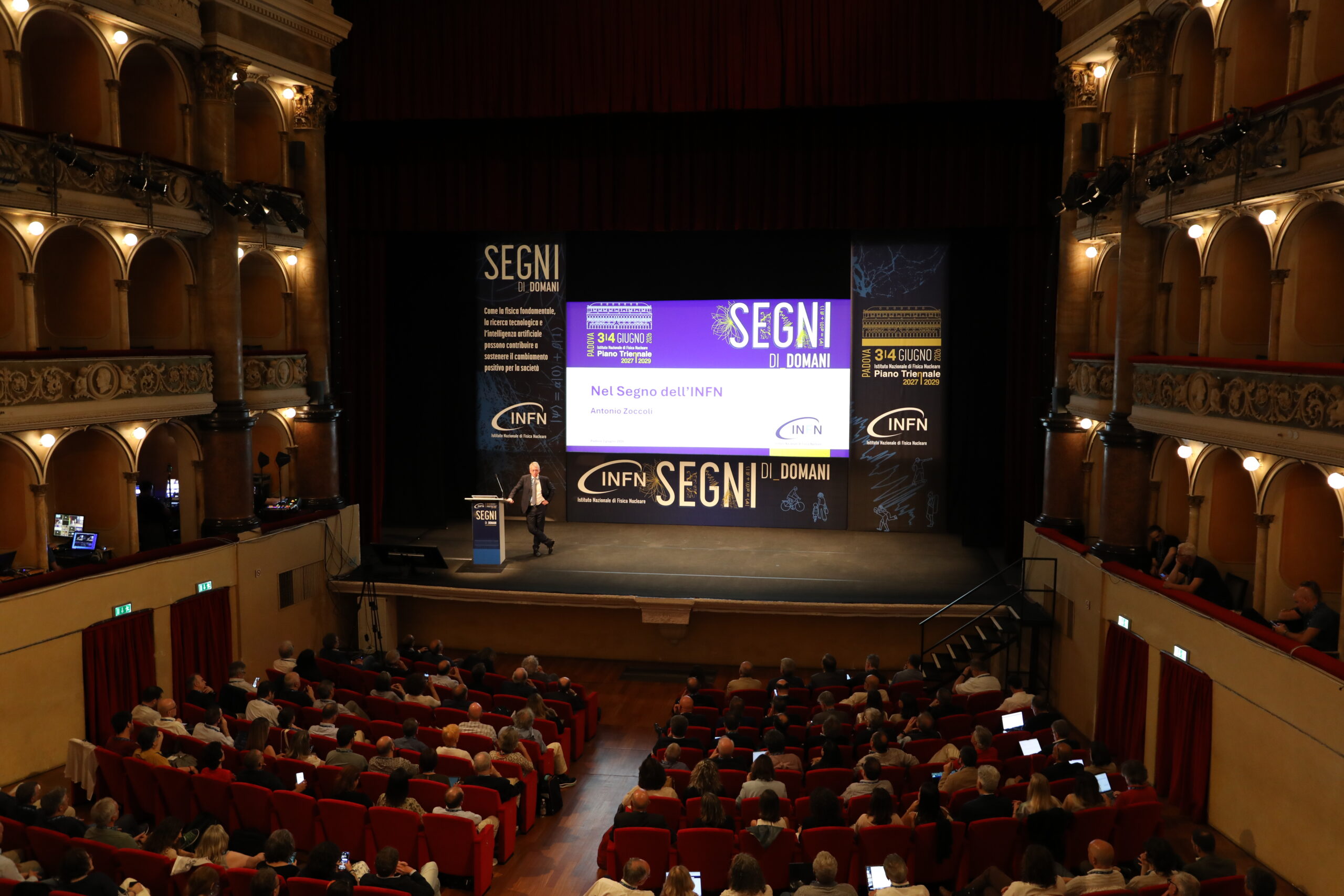
The INFN Three-Year Plan 2027–2029 was held in Padua on 3 and 4 June 2026 and it was dedicated to the theme Signs of Tomorrow: how fundamental physics, technological research and artificial intelligence can contribute to supporting positive change for society.
The meeting opened with welcoming remarks by Roberto Carlin, Director of the INFN Section of Padua, which hosted the annual opportunity for the INFN community to meet and exchange views, followed by institutional greetings from the local authorities.
As customary, the proceedings were launched by the presentation of INFN President Antonio Zoccoli, who reviewed the status of the Institute and its research infrastructures, presenting the latest updates on organisation, resource management, and scientific and technological results, and outlining the most recent developments of the main projects and initiatives carried out by INFN.
This was followed by an address from Director General Attilio Sequi on the management of complexity within a large public research organisation such as INFN.
A dedicated presentation then focused on the experience of the PNRR, during which Veronica Valsecchi, Director of the Research Services Directorate, highlighted the Institute’s significant effort in this area and presented the results achieved thanks to Next Generation EU funding, in particular those allocated under Mission 4 coordinated by the Ministry of University and Research.
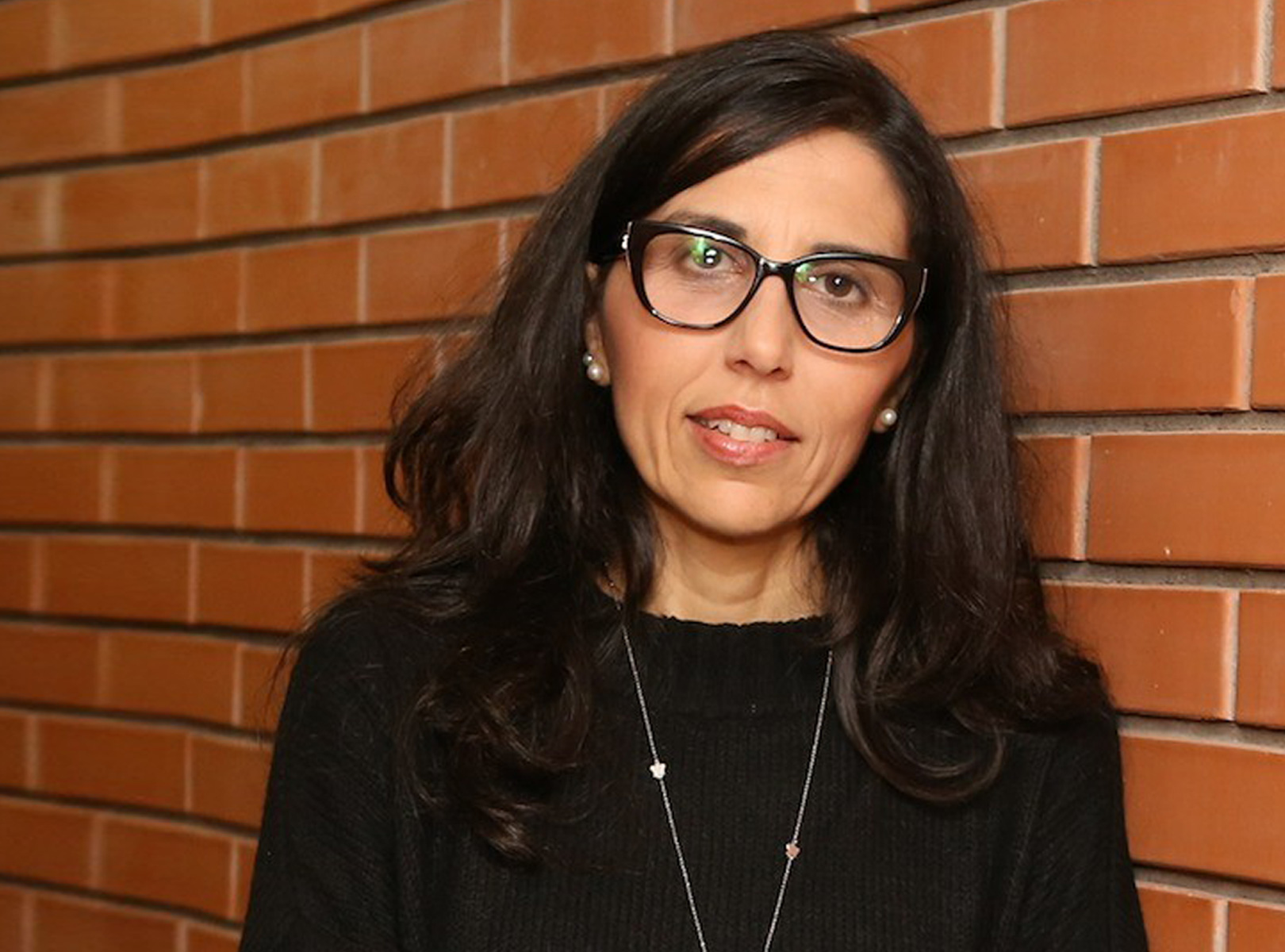
INFN Vice-President Sandra Malvezzi, who coordinated the national contribution to the update of the European Strategy for Particle Physics, recently concluded, guided participants through the process that led the scientific community to formulate the recommendations subsequently presented to the CERN Council. Malvezzi also outlined the medium- and long-term future prospects of super-accelerators, from HiLumi LHC to FCC.
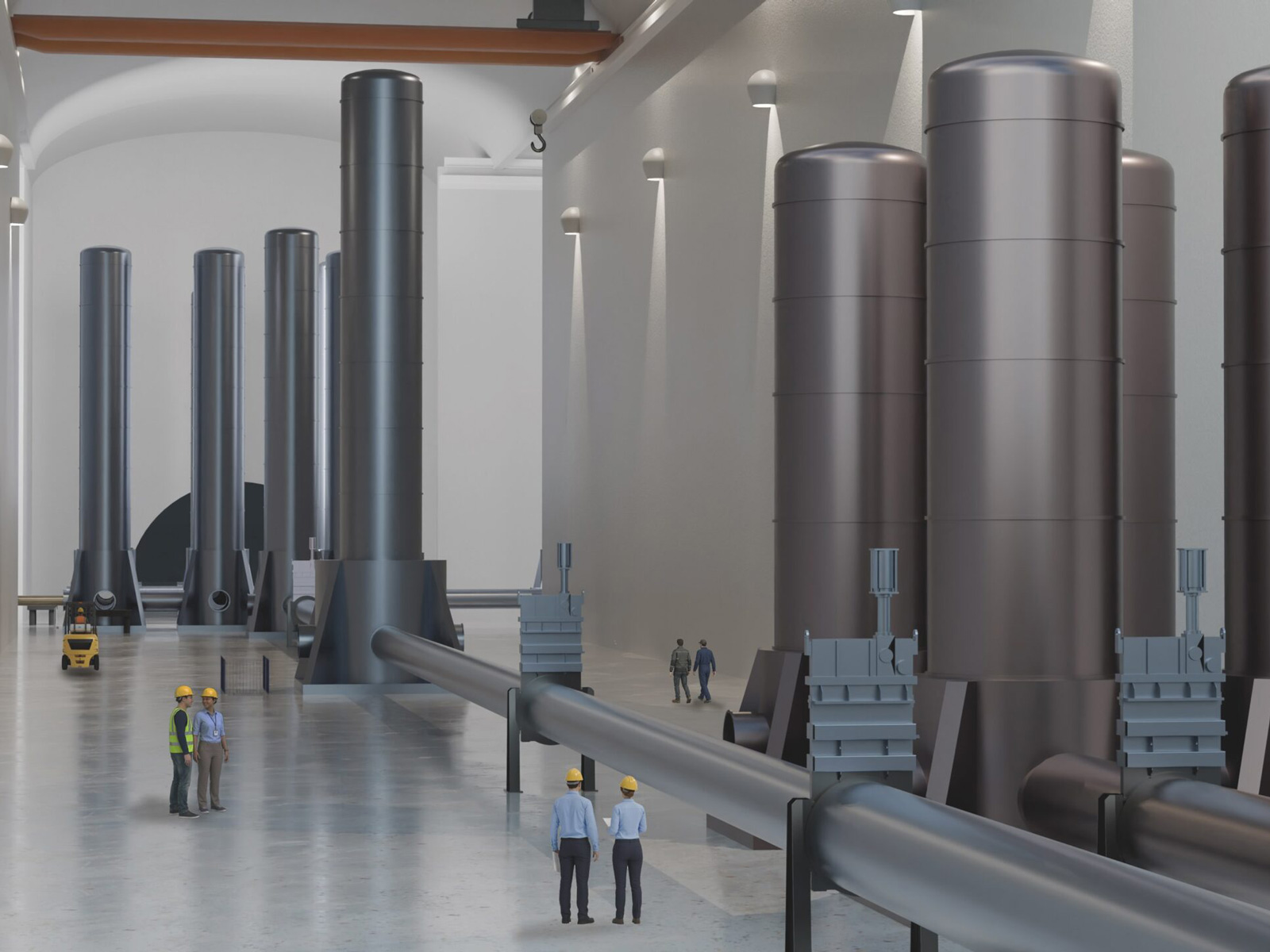
An in-depth examination of the scientific implications and discovery potential of future machines, in particular the FCC accelerator with a circumference of nearly 100 kilometres, was provided by Fabio Maltoni of the University of Bologna, who clearly outlined the physics prospects at future colliders.
The discussion then turned to the most topical technological issues related to emerging technologies, including artificial intelligence and quantum technologies and computing, focusing on their implications and social impact, thanks to presentations by Antonino Rotolo of the University of Bologna and Caterina Braggio of the INFN Section of Padua.
The first day concluded with the awarding of the INFN medal to Luciano Maiani, former INFN President and CERN Director-General, for his pioneering contribution to the understanding of quark interactions.
The second day opened with a presentation by Mariaelena Fedi of the INFN Section of Florence and LABEC, the INFN laboratory dedicated to cultural heritage, on the Institute’s commitment to the study and enhancement of historical and artistic heritage through the development of innovative technologies and their use in multidisciplinary projects carried out in collaboration with institutions, scientific communities and laboratories active in the field.
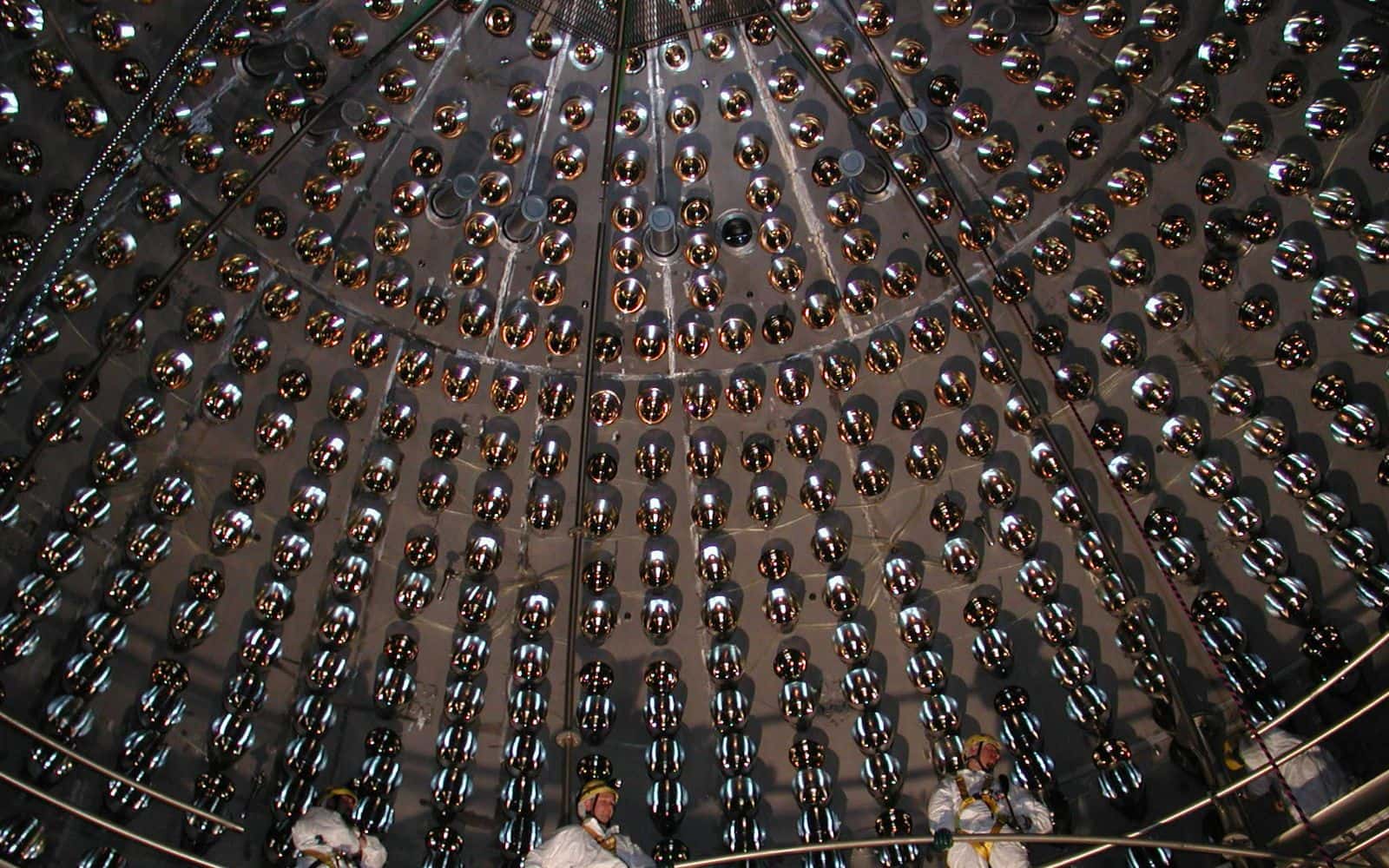
Alba Formicola of the INFN Section of Rome, who together with Daniel Bemmerer of the Helmholtz-Zentrum Dresden-Rossendorf, Gianluca Imbriani of the University of Naples Federico II and Aldo Serenelli of the Instituto de Ciencias del Espacio, has recently been awarded an ERC Synergy Grant, presented the winning project LUNANOVA, which will be carried out at the INFN Gran Sasso National Laboratories.
All the topics addressed were discussed with the community during dedicated round tables held at the conclusion of each session. Finally, in keeping with tradition, an important moment for the community was devoted to the presentation of awards to senior INFN staff.
The two days of work clearly highlighted how projects and results in fundamental physics represent signs of how we can shape our future today.