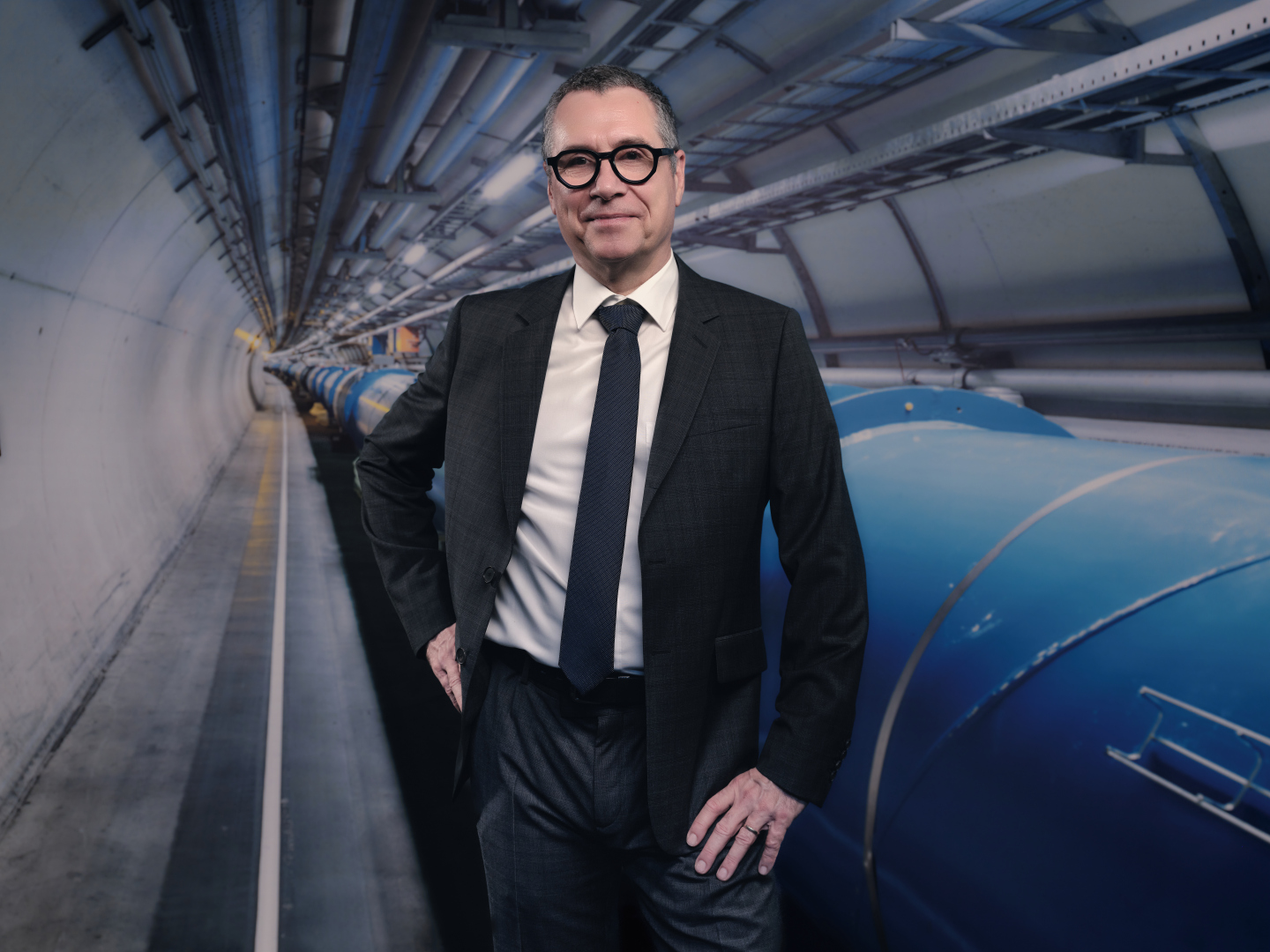
Interview with Gianluigi Consoli, Director General for Internationalisation at the Italian Ministry of University and Research
Italy has allocated a significant proportion of PNRR funding to research. What was the rationale behind this decision, and what objectives were you seeking to achieve?
It was a bold and far-sighted decision, driven by the desire to make our country increasingly advanced in scientific terms and competitive, on a par with and even surpassing other European countries. Very significant investments have been made in human capital, but even greater ones in infrastructure, which the Ministry identified as the truly defining and enabling factor for conducting high-quality research and attracting researchers to Italy. Modern, open research infrastructures have been funded and built, and, for the first time in Europe, a set of technological innovation infrastructures has been established, designed to provide services to small and medium-sized enterprises as well. New entities have emerged – the National centres, the Extended partnerships and the Innovation ecosystems – where public and private organisations have begun working together and creating value. In this respect, Italy has been ahead of the curve and has set in motion what we hope will become a “best practice”: in the coming years, research in Europe will continue to pursue knowledge as its primary goal, but competitiveness will increasingly serve as its guiding principle, with the aim of creating economic and social value by providing practical solutions.
As you mentioned, the MUR’s investments have funded a wide range of projects, from PRIN (Projects of Significant National Interest) to the National centres, Extended partnerships and Innovation ecosystems. What is the overall assessment of this strategy?
The overall assessment is certainly very positive. Providing more than €11 billion in funding to the research, university and innovation systems over just a few years has been an exciting undertaking, which has certainly put research institutions, businesses and universities to the test, but it has also significantly strengthened the Italian system. To give just one example, the final figures for the PNRR measure dedicated to research infrastructures are very encouraging: the average proportion of funding accounted for is over 97%, while INFN has accounted for more than 99% of the funding allocated to the projects in which it participates. Universities and research institutions have truly succeeded in securing all the available investment and using it for scientific research, that is, for the public good. And today, thanks to the lasting assets created through this experience, Italy is in a much stronger position as it enters the new European programming period. The National centres, Extended partnerships and Innovation ecosystems, moreover, have attracted considerable interest from international partners whenever they have been presented at European and international forums.
The PNRR included specific measures to involve businesses and create new opportunities for early-career researchers. What results have these initiatives achieved?
Structuring initiatives that included a business component from the outset has certainly been a defining feature of the Ministry’s strategy. There have been some difficulties, but the interest shown by small businesses, and even more so by large companies, was clear from the very beginning, as demonstrated by the projects’ substantial joint governance arrangements and their active involvement in the technological innovation infrastructures I mentioned earlier. As for human capital, the Ministry has made substantial investments in research PhD programmes and staff more generally. The infrastructure projects alone, in which INFN participated alongside other partners, made it possible to recruit 575 professionals. Of these, to cite INFN specifically, 141 are now permanently employed by the Institute. This means that the PNRR has created opportunities and, above all, expertise. The overall outcome is very positive.
The PNRR is an extraordinary instrument with a fixed end date. What is the Ministry’s plan to ensure continuity for projects, collaborative networks and infrastructures once European funding comes to an end?
Many of the Ministry’s investments have been made with European developments in mind. Funding has been provided for the rankings of Marie Skłodowska-Curie fellowships and for projects awarded the Seal of Excellence, demonstrating genuine synergy with the European Union. In a Communication issued in September 2025, the European Commission itself acknowledged that Italy was the country that had provided the greatest support for ESFRI infrastructures, that is, infrastructures that had already undergone an assessment of their merit by a leading European strategic body. Today, therefore, it is even more important that we continue to pay close attention to European opportunities. Thanks to PNRR funding, research institutions and universities have equipped themselves with the infrastructure and instruments needed to submit increasingly competitive projects across a range of scientific fields in which other countries cannot compete. The expertise acquired, the exchanges that have taken place and the international contacts fostered by the PNRR must all be brought to bear in the European competition for funding. Naturally, sustained effort will be needed, but in light of the results already achieved, we believe that all the conditions are in place for success.
BIO
Gianluigi Consoli graduated in Law from Sapienza University of Rome and obtained a PhD in the History and Theory of Institutions from the University of Insubria. After working as a technologist at ENEA, he joined the management team of the Italian Ministry of University and Research (MUR) in 2014. His work focuses on international scientific cooperation, European research programmes and relations with international organisations. Since 2021, he has been Director General for Internationalisation at the MUR.