A new generation of laser retroreflectors: the MoonLIGHT project
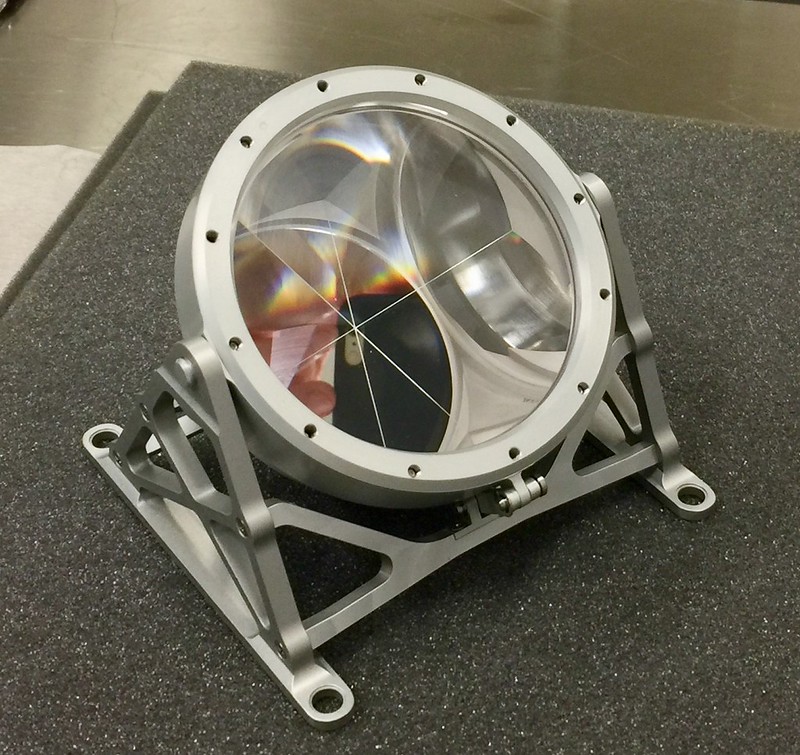
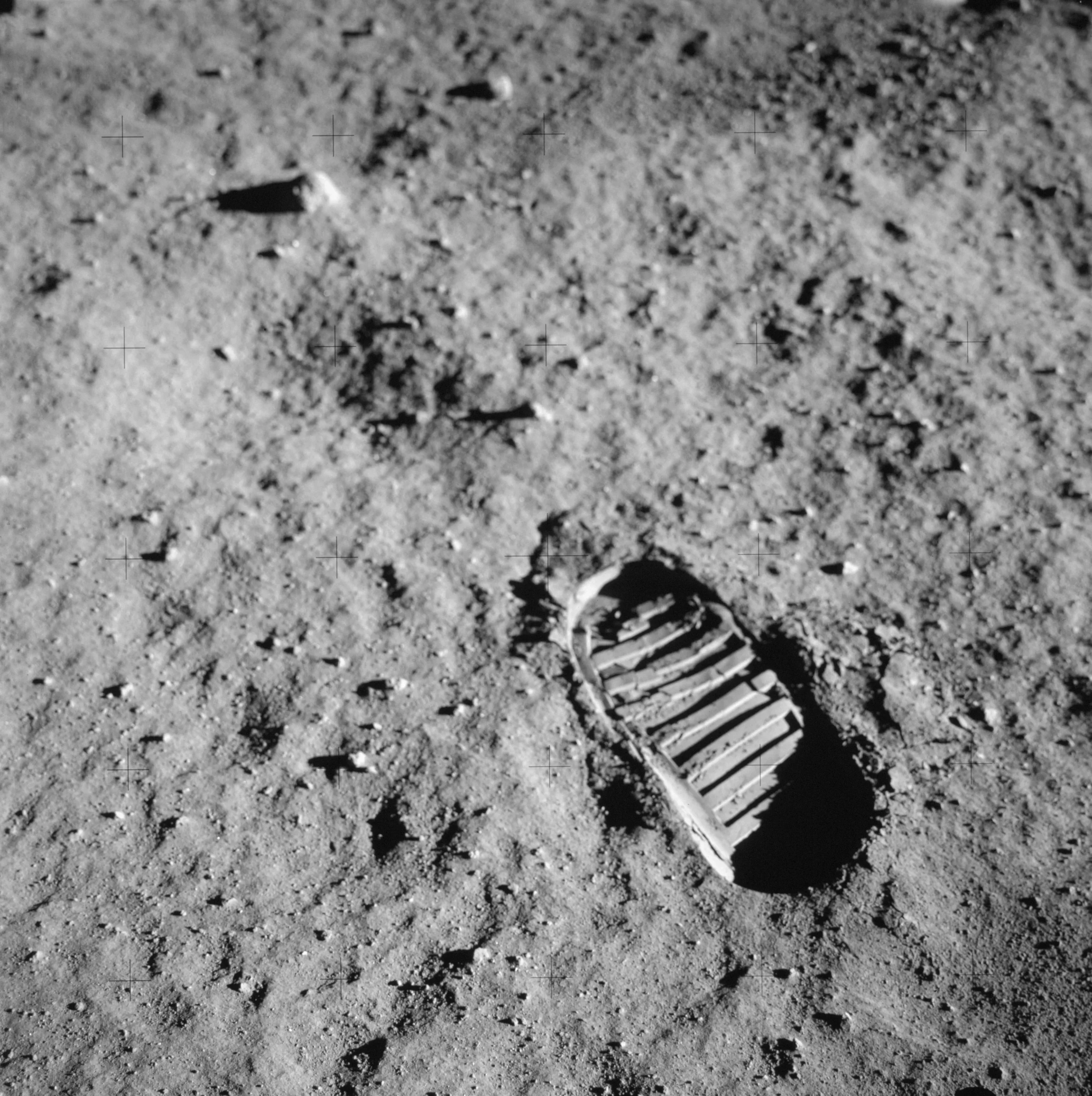
Starting in 1969, with the Apollo 11, Apollo 14 and Apollo 15 missions, together with the Soviet rovers Lunokhod 1 and Lunokhod 2, special devices called laser retroreflectors (LRA – Laser Retroreflector Array) were installed on the lunar surface. These instruments, consisting of arrays of corner cube retroreflectors (CCR – Corner Cube Retroreflector), have the property of reflecting light exactly in the direction from which it originates, that is, back towards laser stations on Earth. Thanks to these devices it is possible to use a technique called Lunar Laser Ranging (LLR), which makes it possible to measure with extreme precision the distance between the Earth and the Moon. The method consists of sending short laser pulses from Earth towards the lunar retroreflectors and measuring the time taken by the light to complete the round trip. Over the years, these measurements have made it possible to obtain highly significant scientific results: very accurate tests of general relativity, information on the internal structure of the Moon, precise data on its motion (ephemerides), on the position of the reflectors on the lunar surface and of the stations on Earth, as well as fundamental parameters for describing the orientation of our planet. Over the past 55 years, the performance of terrestrial laser stations has improved considerably. However, the overall precision of the measurements is limited by the reflectors installed during the Apollo and Lunokhod missions. This limitation is due to so-called lunar librations, apparent oscillations of the Moon caused by the shape and inclination of its orbit, which introduce an uncertainty greater than that achievable today with laser technologies on Earth.