Nuclear fission
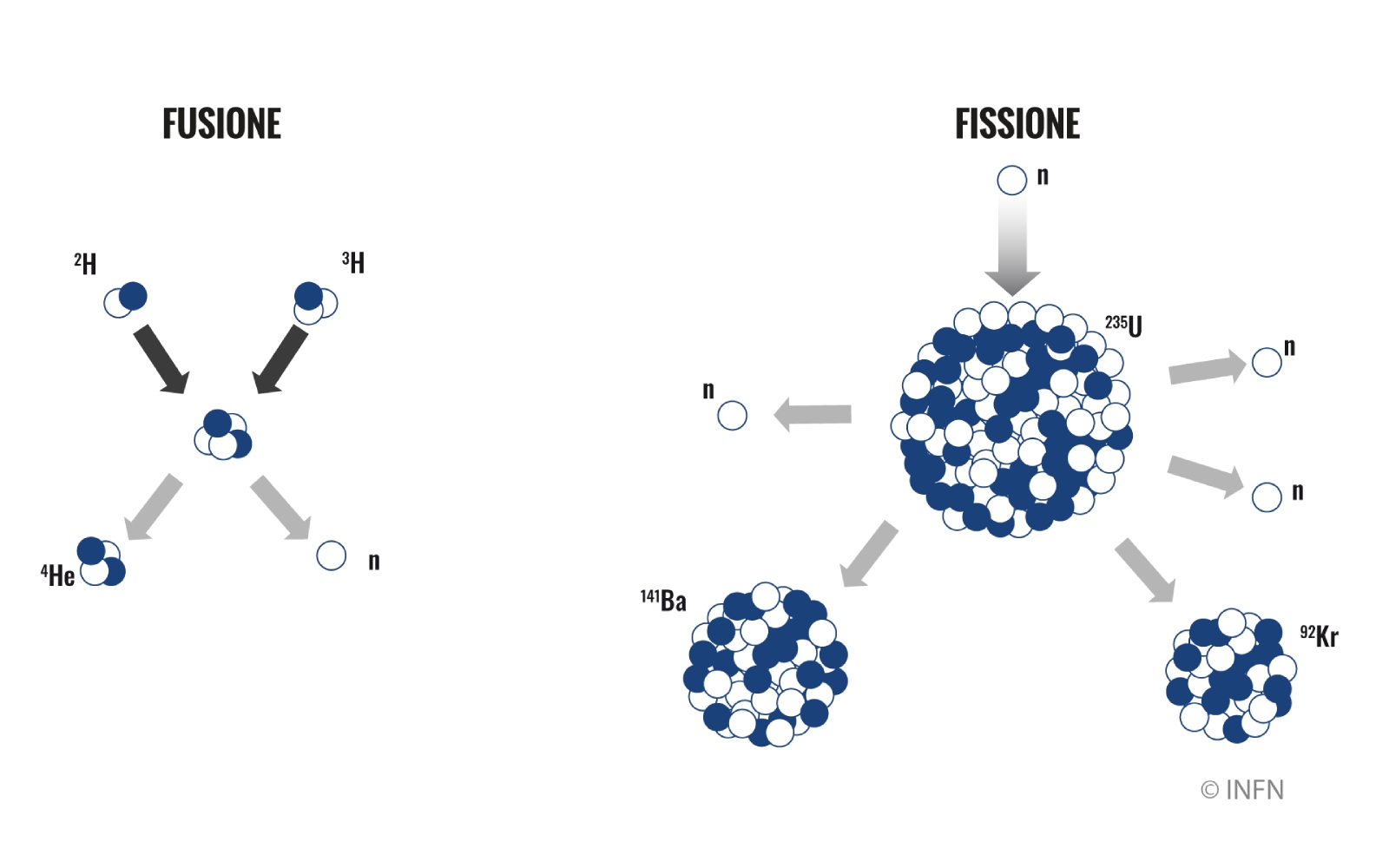
Nuclear power plants currently operating in many European countries, and from which Italy imports a share of electricity estimated at around 7%, are based on the process of nuclear fission. In Europe, a significant fraction of the electricity consumed is generated through this mechanism (approximately 24% in 2024). Nuclear fission therefore represents an extremely powerful technology for large-scale energy production, with the advantage, compared to the combustion of fossil fuels (oil, gas, and coal), of not producing direct emissions of greenhouse gases or fine particulate matter into the atmosphere. For this reason, nuclear energy is often included among the so-called low-carbon energy sources.
Alongside these positive aspects, nuclear fission nevertheless presents certain critical issues related to safety and the production of radioactive waste. Maintaining the highest safety standards, as well as the secure management and disposal of nuclear waste, constitutes one of the main technological and social challenges associated with this form of energy production.
On the other hand, unlike the most widespread renewable energy sources today, such as solar and wind power, fission is not an intermittent source: it can provide energy continuously, without the need for energy storage systems or backup from fossil-fuel sources.
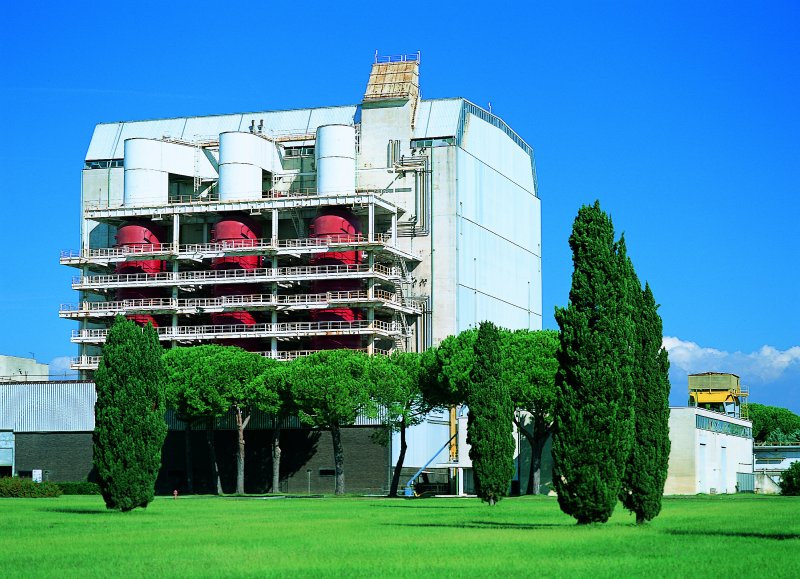
The nuclear reactor is the technologically complex system through which the energy released by fission is produced, controlled, and ultimately converted into usable electrical energy. Among the various types of reactors developed over the decades, the most widespread is the pressurized water reactor (PWR). In schematic terms, it consists of a containment structure, the core where fission reactions take place, heat-exchange systems, and the turbine generator unit for electricity production. This type of plant belongs to the so-called second- and third-generation nuclear reactors, including the so-called evolutionary reactors, or advanced third-generation reactors, featuring further improvements in safety.