Studying the universe from space

12 December 2025

The Puzzle of the universe

Since Galileo Galilei first pointed a telescope at the sky over four centuries ago, launching modern astronomy, our understanding of the universe and of the physical laws that govern its phenomena has grown in extraordinary ways. Thanks to conceptual revolutions such as Albert Einstein’s General Relativity, and to remarkable technological and observational advances, cosmology has progressively evolved into an increasingly precise science. Today we know that the universe is expanding at an accelerated rate; we are able to detect gravitational waves and capture electromagnetic signals coming from immense distances, far beyond our own galaxy. We have reconstructed the cosmic history starting from the very first instants after the Big Bang and, thanks to cutting-edge instruments, we can even obtain images of the event horizon of supermassive black holes. Building on Einstein’s theory of General Relativity, the insights of Georges Lemaître, and the Hubble Space Telescope data on the expansion of the universe, a cosmological model has been developed, the Standard Cosmological Model (or Lambda-CDM model), which describes the evolution of the universe from its earliest moments to the present day. It successfully reproduces many observed features: cosmic expansion, the abundance of light elements, and the cosmic microwave background. In this framework, nuclear and astrophysical physics, as well as particle physics, are essential for trying to understand the earliest phases of the universe, the processes of inflation, the electroweak phase transition, and phenomena such as stellar evolution and the formation of heavy elements. However, cosmological observations and the data collected by detectors onboard space missions show that, effective as it is, the model may not be complete. Several experimental hints suggest the possible need to broaden the current theoretical picture by introducing new physics capable of explaining phenomena that still are not fully understood. Many questions about the nature of the universe are still open, and our knowledge continues to grow like a vast puzzle gradually taking shape thanks to experimental observations that confirm, or challenge, theoretical predictions. This is made possible by extremely sophisticated detectors, developed at the limits of technology in research laboratories, including those of the INFN, deeply engaged in this field, and then sent into space on international missions dedicated to exploring the universe. The following sections present the main milestones of this scientific adventure.
 

Studying the Infant universe

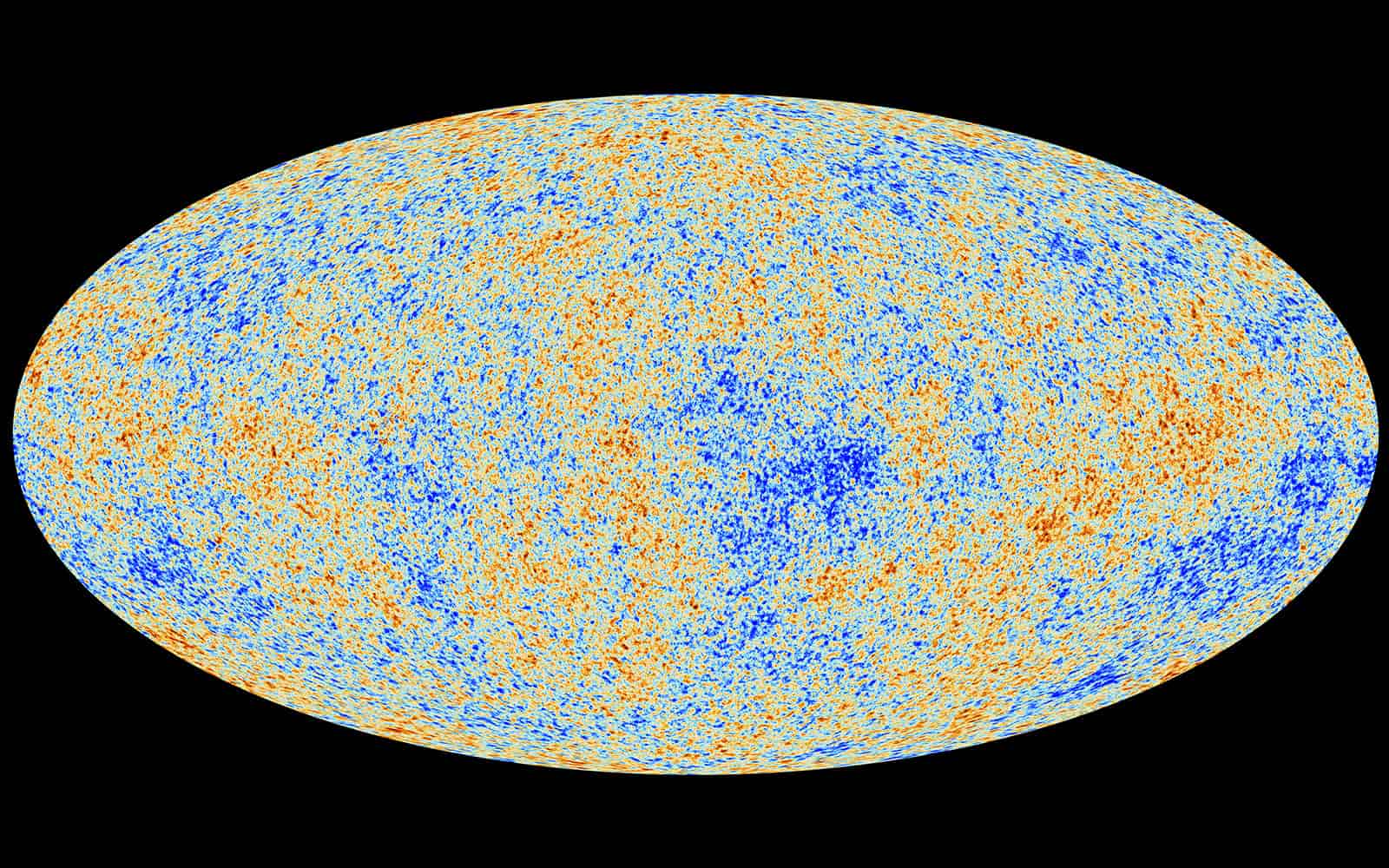
What do we know today about the origin of the universe? When and how did it form? The leading scientific theory on the origin of the cosmos is the Big Bang, which posits that our universe began about 13.8 billion years ago from an extremely hot and dense state and has been expanding more or less continuously ever since. The Big Bang theory gained prominence over the last century, as a series of experimental observations progressively challenged the steady-state models that described the cosmos as unchanging in space and time. The two decisive pieces of evidence that supported the Big Bang were the observation of the universe’s expansion, made possible by the measurements collected in the 1920s by astronomer Edwin Hubble, and the discovery of the cosmic microwave background (CMB). The CMB is a kind of “echo” of the Big Bang that still permeates the entire universe. It was first detected accidentally in 1965 by radio astronomers Arno Penzias and Robert Wilson, a discovery that earned them the 1978 Nobel Prize in Physics. Today, the cosmic microwave background is considered one of the strongest and most compelling confirmations of the Big Bang theory.

modellostandardcosmologico2-2
Map of the anisotropies of the cosmic microwave background seen by the ESA Planck satellite. (© Esa e Planck Collaboration)

These are exceptional years for space exploration and for the study of the universe,years in which developments occurred that would profoundly transform research in cosmology and high-energy physics. In just over a decade, humanity moved from the first crewed lunar mission, when the Apollo 11 commander set foot on the Moon for the first time, to the launch of the first space stations,Salyut-1 (Soviet, 1971) and Skylab (USA, 1973),and to the deployment of probes that transmitted images of the planets in our Solar System. With television, space also entered people’s homes. In 1977, NASA launched the two Voyager probes to explore the outer Solar System, each carrying detectors for space-based scientific missions. Although they were originally expected to operate for only a few years, Voyager 1 and Voyager 2 are still active today. After nearly fifty years, they have become the longest-running space mission in history. These early missions produced vast amounts of information about the large gas-giant planets and also provided invaluable data for high-energy physics—for example, on cosmic rays.

Knowing the universe by Studying It from Space

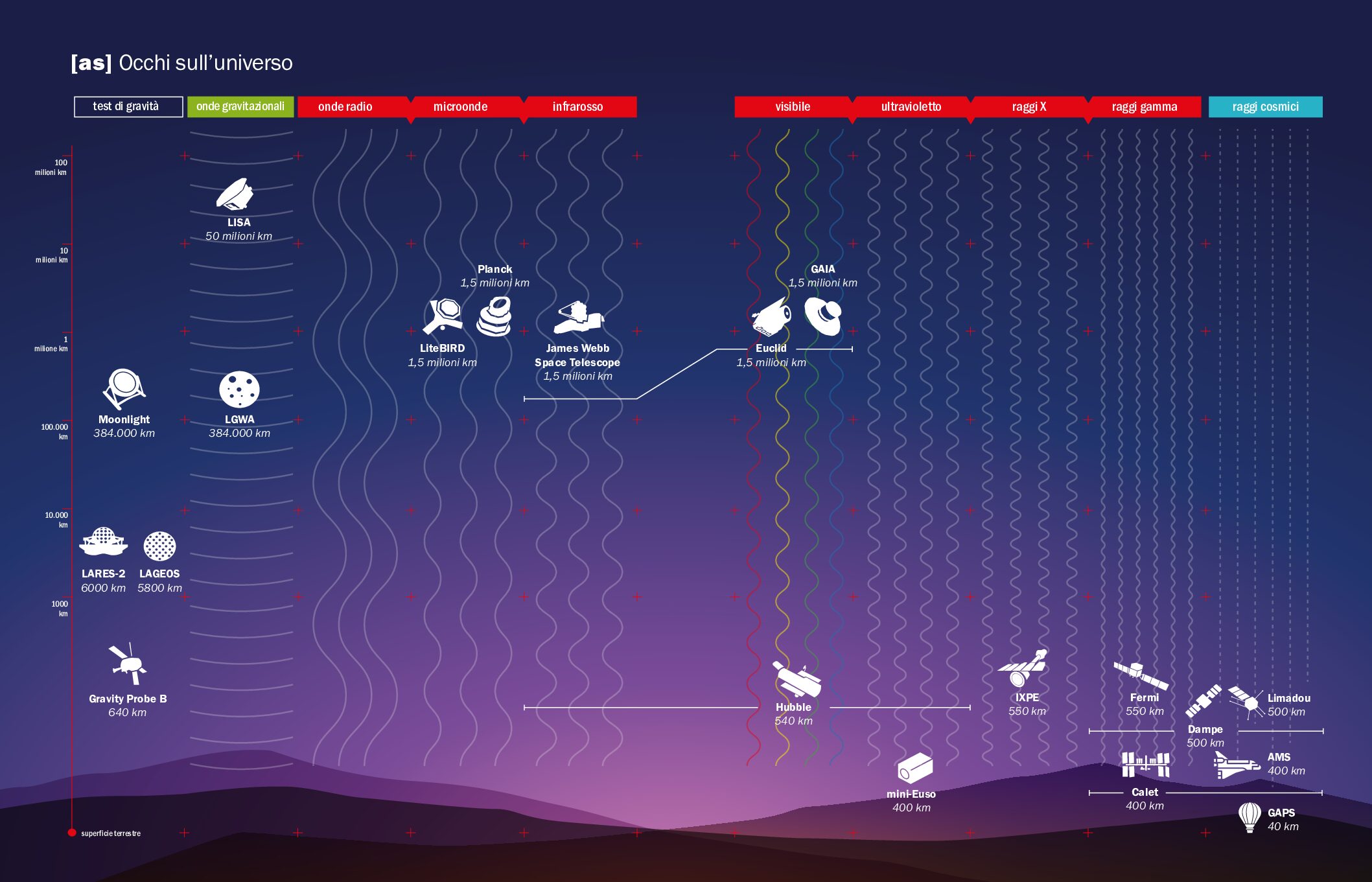
Carrying out measurements with detectors operating in orbit, beyond the protection of Earth’s atmosphere, represents an enormous technological and conceptual leap. This capability has opened a new frontier in the study of the cosmos and high-energy phenomena. The atmosphere acts as a natural shield: it blocks most of the particles and radiation arriving from space, except for visible light and radio waves, both forms of electromagnetic radiation, and for neutrinos, which interact only very weakly with matter. All other wavelengths, from ultraviolet to X-rays and gamma rays, as well as most cosmic rays, are filtered out. This protection has been essential for the development of life, but it limits what we can observe from Earth. Crossing beyond the atmosphere radically changes our ability to detect signals from the universe. From space, we can study a physical environment completely different from the one accessible to ground-based observatories and gather valuable information on the structure and workings of the cosmos. To truly understand the universe, it must be observed across all wavelengths: observing it only from Earth is like listening to a symphony using just a couple of instruments and losing the richness of the full ensemble. Observing from space finally reveals the entire orchestra.

asimmetrie_34_infolow_pdf-2
infografica "occhi sull'Universo",asimmetrie 34

From space come the cosmological observations that make it possible to test fundamental theoretical predictions, from the expansion of the universe to the cosmic microwave background, and even insights into its origin, thus confirming, at least in part, the Big Bang theory. In 1990, the Hubble Space Telescope was launched aboard the Space Shuttle. Designed to observe and image the universe from above Earth’s atmosphere, it orbits at about 540 km above the planet’s surface. This NASA–ESA mission represents one of the most ambitious technological and scientific achievements ever realized and is still operational today. Thanks to its sophisticated instruments, including high-resolution cameras, spectrographs, and detectors sensitive to visible, ultraviolet, and near-infrared wavelengths, Hubble has produced extraordinarily sharp and detailed images, profoundly transforming our understanding of the universe. The telescope has achieved remarkable results: it confirmed the expansion of the universe by measuring the mutual recession of galaxies, as predicted by Edwin Hubble; it provided evidence for the existence of supermassive black holes at the centres of most galaxies by studying the motion of nearby stars and gas; it collected essential data on galaxy formation and evolution, observing some galaxies in the earliest stages of their history. Hubble’s observations have also enabled more precise estimates of the age of the universe and contributed to the discovery of its accelerated expansion, hinting at the presence of dark energy.

planck-hires-2
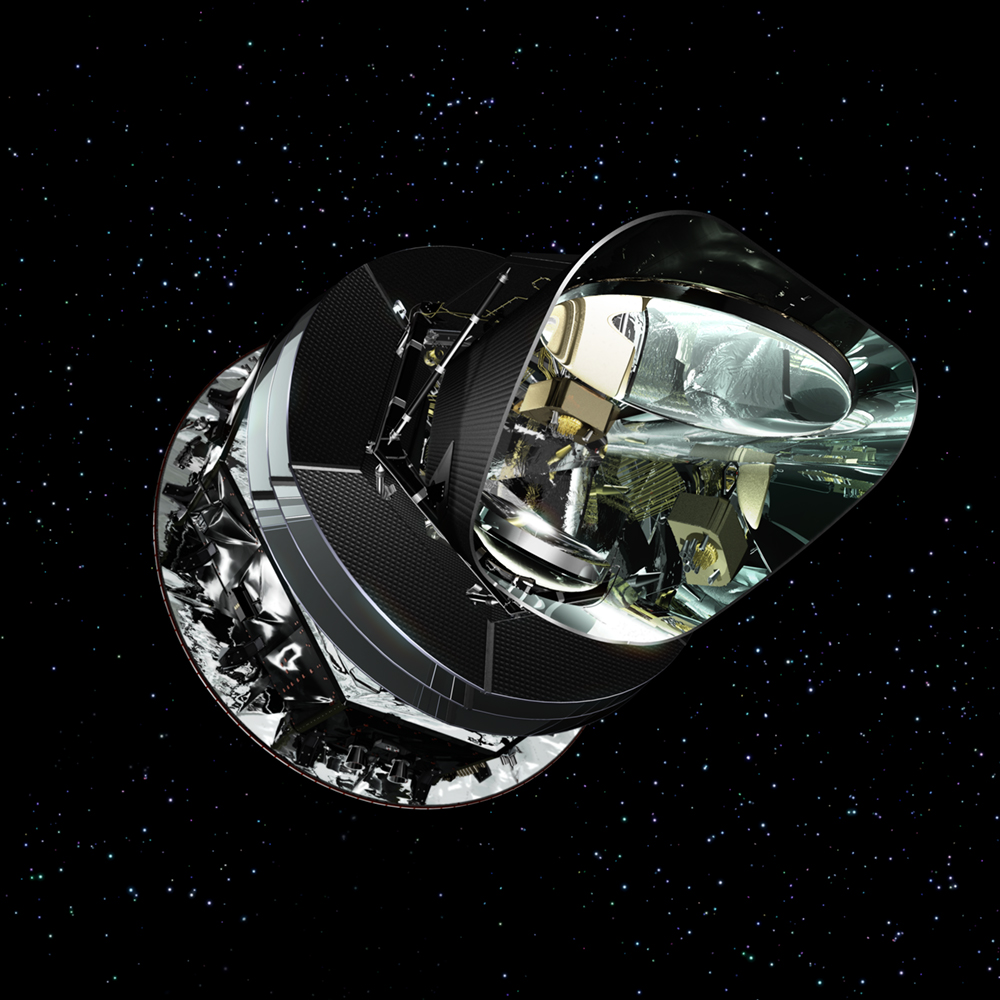
rappresentazione artistica del satellite Planck (Esa)

Launched by ESA in 2009, the Planck satellite is a space telescope designed to study the cosmic microwave background with exceptional precision. Its measurements produced the most detailed high-resolution map ever obtained of the primordial universe, accurately revealing the distribution of the CMB and its tiny anisotropies, minute variations in temperature and density that encode the seeds of the cosmic structures we observe today. Thanks to Planck, it has been possible to determine key parameters of the universe with unprecedented accuracy: its age, estimated at about 13.8 billion years, and its composition, roughly 5% ordinary matter, 27% dark matter, and 68% dark energy. The mission’s observations also confirmed and refined results obtained by previous experiments such as WMAP, solidifying the framework of the cosmos that we rely on today. But many unresolved questions remain.

Studying the Dark Universe

In 2023, the European Space Agency (ESA) launched Euclid, a mission dedicated to studying the evolution of the universe and its dark components. Italy plays a leading role: it designed the mission’s observational strategy and coordinates all ground-based activities for data reconstruction and analysis. A fundamental contribution also comes from the development of the two scientific instruments on board the satellite: VIS (Visible Instrument) and NISP (Near Infrared Spectrometer Photometer). The first produces high-resolution images of the deep sky, while the second measures the spectra of millions of galaxies. Together, they cover different wavelength ranges thanks to an impressive number of pixels: 600 million for VIS and 63 million for NISP. These data will allow scientists to reconstruct the geometry of the Universe with unprecedented precision. Euclid’s observations may provide crucial clues about the origin of dark energy, which, together with dark matter, is thought to play a fundamental role in the evolution and structure of the cosmos. By the end of 2030, Euclid will have mapped about one-third of the entire observable Universe, generating an unprecedented amount of data that is expected to revolutionize our understanding of the cosmos.

The Mystery of Antimatter

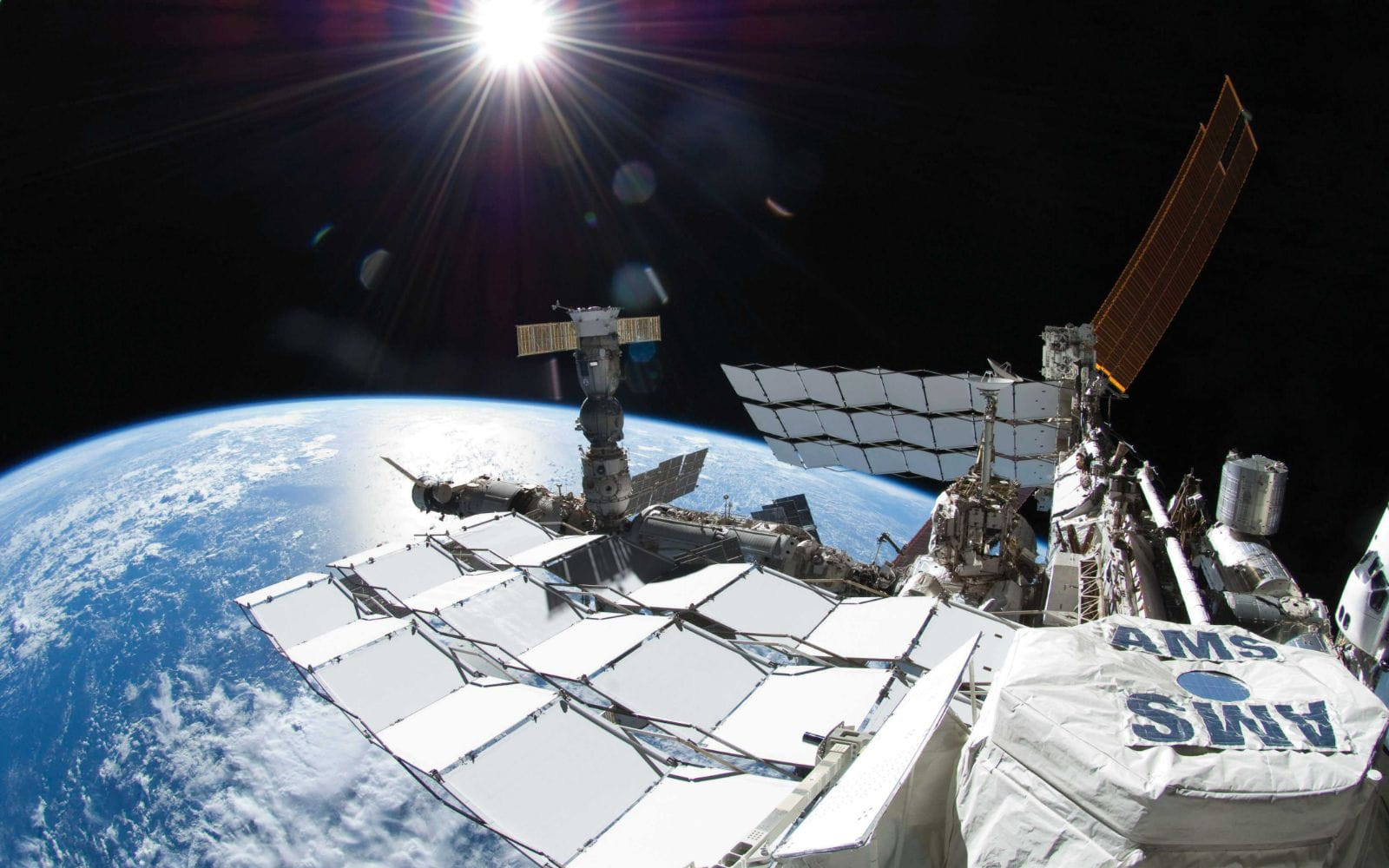
Among the open questions that science seeks to answer is the asymmetry between matter and antimatter. According to the laws of physics, matter and antimatter should have been created in equal amounts during the Big Bang, yet observations appear to contradict this: our universe is made almost entirely of matter. So where has the antimatter gone? The AMS-02 experiment aboard the International Space Station (ISS) helps to investigate this phenomenon by searching for antimatter particles in cosmic rays. AMS-02 is the evolution of an earlier detector sent into space in the late 1990s. In both missions, INFN played a key role in building the detectors as well as in the analysis and interpretation of the results. AMS-02 is mounted on the ISS, which orbits about 400 km above Earth, the only human-inhabited outpost in space, where the instrument has been studying antimatter for more than ten years. The AMS-02 detector is a magnetic spectrometer. Its task is to study charged cosmic rays: when these particles pass through the detector, the presence of a magnetic field bends their trajectories. The curvature allows scientists to distinguish particles from antiparticles, for example by identifying possible antiprotons. The experiment searches for both “heavy” antimatter, such as anti-helium nuclei, which have never been observed in space, and lighter antimatter particles, such as positrons, whose presence might provide indirect clues about the nature of dark matter.

spazio1-2
AMS-02 satellite (Alpha Magnetic Spectrometer) for the study of cosmic rays (© NASA)

During its first ten years of operation, no heavy antimatter particles have been detected, but the experiment has recorded intriguing phenomena that are currently under investigation. The AMS collaboration is now designing an upgrade of the instrument, scheduled to be installed during a series of international extravehicular activities in 2026. The upgrade will expand the detector’s field of view, significantly increasing the number of observed particles and enabling the search for extremely rare particles that have not yet been detected in cosmic rays.

In 2006, another major space-based experiment dedicated to the study of cosmic rays was launched: the PAMELA satellite detector (Payload for Antimatter Exploration and Light-nuclei Astrophysics). The mission was the result of a collaboration between INFN, the Russian Space Agency and several Russian research institutes, with the participation of the Italian Space Agency and contributions from German and Swedish space agencies and universities. PAMELA shed new light on the mechanisms of production, acceleration and propagation of cosmic rays in our Galaxy. Among its most surprising results was the unexpected discovery of a belt of antiprotons surrounding Earth. One of the mission’s most significant and promising scientific contributions is the first measurement of positron and antiproton fluxes, which, later confirmed by other space observatories, opened an entirely new line of investigation into dark matter.

In 2015, a new mission was launched into space in search of dark matter: it is DAMPE (DArk Matter Particle Explorer). The project is the result of research and technology jointly developed by ASI and INFN, which also led to PAMELA, AMS (01 and 02), and FERMI. The DAMPE experiment, which celebrates ten years since the start of the mission this December, is designed to study high-energy astroparticles. It is aimed to detect electrons and photons and to identify possible signs of the presence of dark matter by studying the characteristics of ordinary particles measured by the detector.


The Most Energetic Sources in the Universe

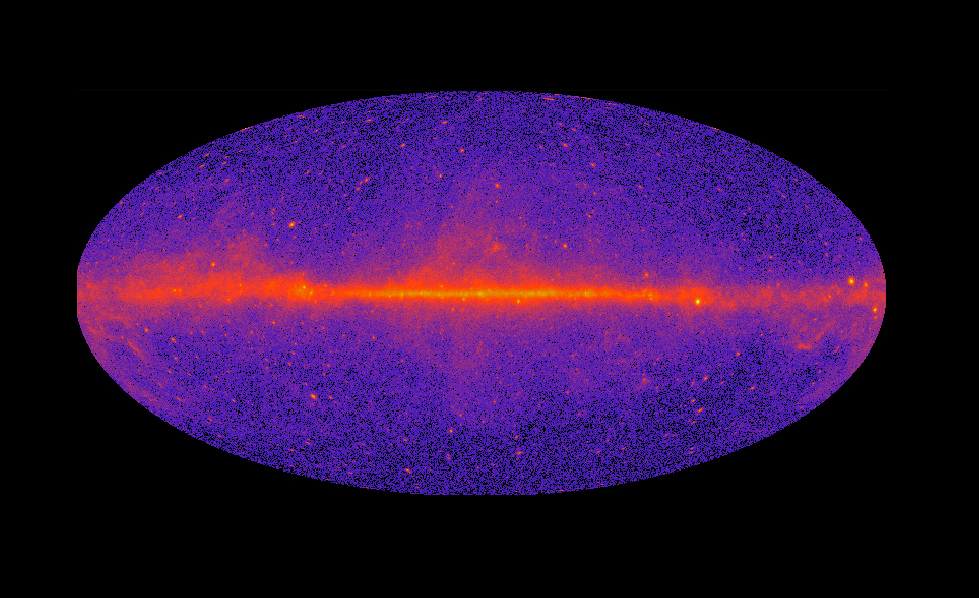
Gamma rays carry precious information about the most energetic and violent processes in the universe, such as supernova explosions, neutron-star mergers, and phenomena associated with supermassive black holes. To explore this “extreme” sky, NASA launched the Fermi Gamma-ray Space Telescope in 2008, equipped with advanced instruments designed to detect gamma radiation from active cosmic sources: distant galaxies, pulsars, and gamma-ray bursts. The mission, which brings together astrophysics and particle physics, is the result of an international collaboration to which Italy contributes decisively through ASI, INAF and INFN. Over the years, Fermi has achieved major scientific results, widely recognized and awarded at the international level. The satellite is named after Enrico Fermi, who as early as 1949 proposed a mechanism capable of accelerating cosmic rays, particles traveling close to the speed of light, through shock waves generated by supernova explosions. On board is the Large Area Telescope (LAT), to which Italy provides significant technological and scientific contributions. By scanning the entire gamma-ray sky every three hours, LAT has identified more than 6,600 gamma-ray sources. Equally crucial has been its contribution to the identification of numerous pulsars, rapidly rotating neutron stars that emit regular pulses of radiation.

attachment-cielo-gamma-fermi-2016-2
Gamma ray burst, mappa del cielo visto da Fermi, 2016. (NASA/Fermi LAT Collaboration)

Alongside LAT operates the Gamma-ray Burst Monitor (GBM), the mission’s secondary instrument, designed to monitor almost the entire sky and detect the shortest and most intense gamma-ray bursts. Its observations have provided important experimental tests, including additional confirmation of Einstein’s General Theory of Relativity. A historic moment occurred on 17 August 2017, when Fermi detected a gamma-ray burst from a powerful explosion in the constellation Hydra. At the same time, the LIGO and VIRGO interferometers recorded gravitational waves generated by the merger of two neutron stars. For the first time, a single astrophysical event was observed simultaneously through light and gravitational waves. This discovery, still unique in its kind, symbolically marks the birth of multi-messenger astronomy, a new approach to exploring the universe that combines different signals, photons, gravitational waves, particles, to gain a more complete and deeper view of cosmic phenomena.

Studying the Polarization of Light: the Universe Reflected

When we observe the universe, the information we collect comes mainly from light, that is, from the electromagnetic radiation emitted by celestial objects. By analyzing it, we can reconstruct images, study its “color” through spectroscopy, or observe how it varies over time through timing measurements. Another key observable is polarization, which allows us to understand how light has been reflected and scattered, reconstruct the geometry of the sources, and obtain information about the orientation of magnetic fields. These are fundamental clues, particularly when studying compact and difficult-to-observe objects such as black holes, or neutron stars.
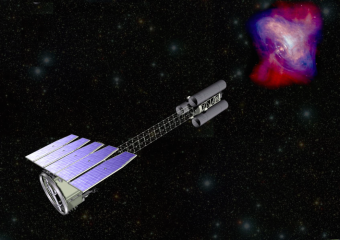
Measuring X-ray polarization, however, is extremely challenging because of the way these photons interact with matter. For this reason, the IXPE mission (Imaging X-ray Polarimetry Explorer) represents a historic milestone: it is the first space telescope designed to combine polarization measurements with imaging, spectroscopy, and timing in the X-ray band, offering the most complete view possible of extreme physical processes. Launched in December 2021, IXPE has observed more than 100 different sources, producing high-impact scientific results. Among them is the study of the supermassive black hole at the centre of the Milky Way, Sagittarius A*, which has provided new insights into black hole behaviour and their role in galaxy evolution.

Rendering della missione spaziale IXPE - Imaging X-ray Polarimetry Explorer
blackholes
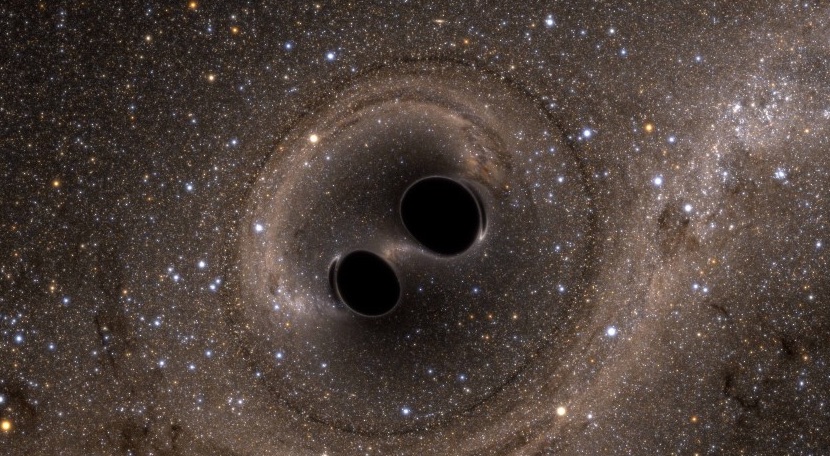
immagine artistica della coalescenza di due buchi neri

Black Holes: A New Frontier for Fundamental Physics

The study of black holes is becoming one of the frontiers of fundamental research, with a major impact both scientifically and in the public imagination. In 2019, the Event Horizon Telescope (EHT) collaboration obtained the first image of a black hole, M87*, located about 55 million light-years from Earth and with a mass over six billion times that of the Sun. This achievement was made possible by a global network of radio telescopes that, working together, form a single Earth-sized virtual observatory. The data collected by EHT are opening the way to studies of great importance, including experimental tests of Einstein’s General Relativity in extreme gravitational conditions. A decade after the first detection of gravitational waves, the LVK scientific collaboration LIGO, Virgo and KAGRA, which joined in 2020, has observed hundreds of events, mostly produced by merging black holes. These observations have revealed a richer and more varied population of black holes than previously expected, expanding our understanding of the evolution of massive stars and compact systems. Future gravitational-wave observatories, such as the LISA space mission and the Einstein Telescope on Earth, will offer unprecedented sensitivity and will allow a much larger number of events to be detected. This will make it possible to reconstruct the evolution of the entire population of black holes across cosmic history, opening new perspectives for both fundamental physics and cosmology.

A Look to the Future: Space as a Laboratory for Fundamental Physics

The link between space exploration and fundamental physics is deep and long-standing, yet it remains forward-looking. Today we have completely new tools to investigate the universe. Cosmological observations continue to reveal unexpected properties of the physical world, and with the advent of multi-messenger astronomy this perspective has broadened even further. We no longer study astrophysical events, and thus the cosmos, through a single messenger, but through multiple messengers, from electromagnetic radiation to neutrinos to gravitational waves. As Nobel laureate Luis Álvarez recalled, modern particle physics took its first steps thanks to the experiment by Marcello Conversi, Ettore Pancini and Oreste Piccioni, in which the “particle to be discovered” the muon arrived naturally from cosmic rays reaching Earth from space. Today, in a similar way, the new generation of cosmic messengers and the space missions designed to study them may provide the keys to answering some of the most profound questions in fundamental research.

.


a cura di Ufficio Comunicazione INFN – COMUNICAZIONE ISTITUZIONALE E MEDIA


You might also be interested in
scienziata

Stem passion

03 February 2026 Read more Stem passion

WomenInScience

Nuclear fission and fusion

Revolution AI

07 November 2025 Read more Revolution AI

The quest for dark matter

10 years of gravitational waves